
Top Stories
New Zealand’s CAR T-Cell Therapy Offers Hope for Cancer Patients

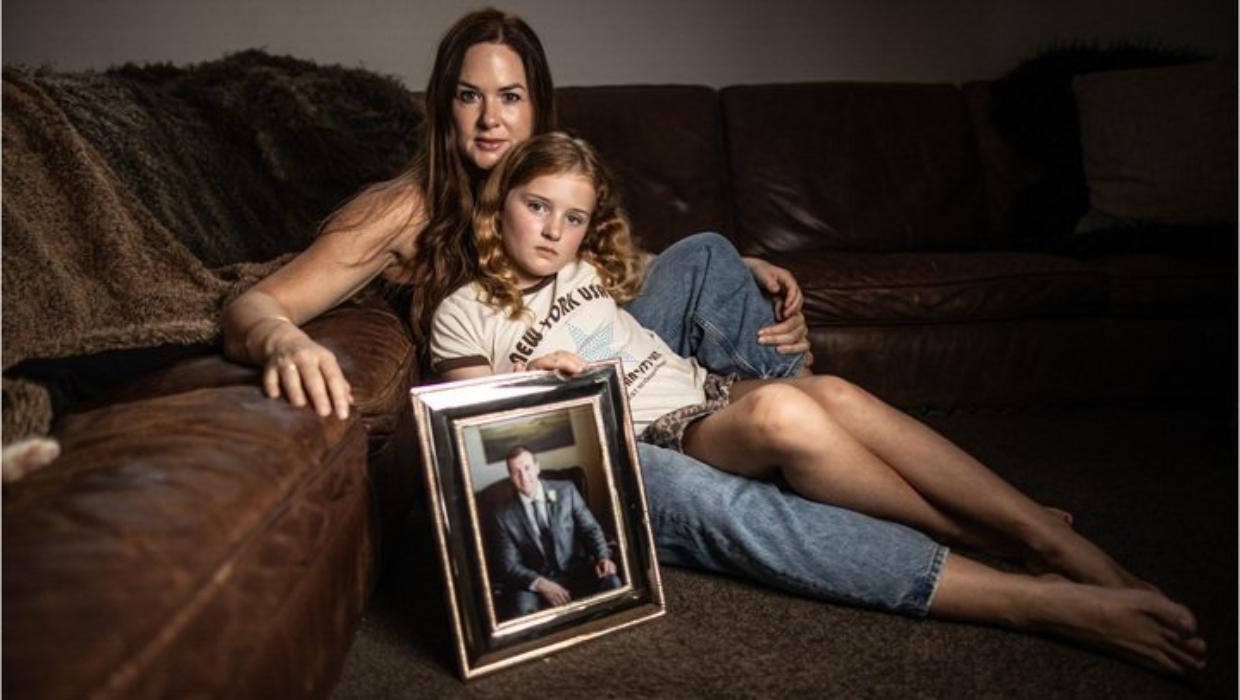
A groundbreaking cancer treatment developed in Wellington has shown promise for patients with terminal diagnoses, potentially offering long-term remission for those with only months to live. The innovative therapy, known as CAR T-cell therapy, could be integrated into New Zealand’s public health system by 2027. This report, authored by senior reporter Nicholas Jones, explores the journey of patients who have sought this treatment abroad due to the lack of options locally.
In January 2018, Janelle Brunton-Rennie faced an unimaginable crisis. Just hours after posting a celebratory family photo on social media with her husband, Kurt, and their four-month-old daughter, Sage, their lives changed dramatically. Kurt, a fitness enthusiast who had never experienced serious illness, discovered a lump in his abdomen after a shower. Following a CT scan, he was diagnosed with lymphoma, a form of blood cancer.
“My entire life unravelled at breakneck speed,” recalls Janelle. From a state of blissful happiness, she plunged into terror as Kurt’s condition deteriorated. Despite initial treatment success with oral chemotherapy, Kurt’s cancer returned aggressively, and he was given little hope of survival. Janelle’s defiance led her to seek alternative treatments, particularly after learning about CAR T-cell therapy from David Downs, a fellow cancer patient who had undergone the treatment successfully in the United States.
CAR T-cell therapy involves harvesting a patient’s immune T cells, modifying them to recognize and attack cancer cells, and then reinfusing them into the patient. While it has become a standard treatment in several countries, it was largely unknown in New Zealand at the time of Kurt’s diagnosis. Downs’ experience with the therapy not only saved his life but also inspired Janelle to pursue the same path for Kurt.
The couple quickly began reaching out to clinics overseas, only to confront the daunting cost of treatment, which could reach up to $1.5 million. With time running out, Janelle and Kurt mobilized their community, raising over $200,000 through a crowdfunding campaign. This financial support allowed them to cover initial expenses and secure a spot for Kurt in Boston.
In Boston, after undergoing the CAR T-cell procedure, Kurt initially showed signs of improvement. However, complications arose when neurotoxicity caused him to slip into a coma. Medical staff administered steroids to stabilize his condition, but the couple faced devastating news on Christmas Day 2018 when scans revealed a resurgence of cancer.
Kurt returned to New Zealand on January 1, 2019, where he was welcomed home by Sage. Tragically, he passed away just a week later, on January 7, 2019, after a fierce battle with the disease. Janelle described her experience of grief as intense and isolating, as she navigated life without her partner and the father of her child.
The journey did not end with Kurt’s passing. Janelle has dedicated herself to advocating for greater access to CAR T-cell therapy in New Zealand. The Malaghan Institute of Medical Research is currently conducting a clinical trial for a locally developed CAR T-cell therapy, aiming to make this innovative treatment available within the public health system.
The phase one trial has shown promising results, with over half of participating patients achieving remission within three months. The institute is now raising funds to support the ongoing trials, which aim to deliver this life-saving treatment at a fraction of the current international costs.
Despite the challenges, the Malaghan Institute’s research is paving the way for a future where patients like Kurt can receive timely and effective treatment without the burden of traveling abroad. Janelle remains resolute in her efforts: “This is one of the most important things I can do for his legacy,” she states, emphasizing her commitment to ensuring that other families do not endure the same hardships.
The potential impact of this treatment on the lives of cancer patients in New Zealand is significant. As the Malaghan Institute continues its work, there is hope that CAR T-cell therapy will soon be accessible to those who need it most, offering a chance at life that many have been forced to seek overseas.













Young Robotics Team from New Zealand Qualifies for World Championships

Alice Robinson Secures Second Place at World Cup Return

Fatalities Rise Following Three-Vehicle Collision in Bunnythorpe

Film Club Kicks Off 76th Season with Political Themes and Diverse Cinema

Trump’s Iran Strikes Likely to Drive Up Global Fuel Prices

Film Club Launches 76th Season with Political Themes in Cinema

Dan Carter and Lisa Carrington Reflect on Women Who Inspire Sport

Economic Recovery Fuels Property Market Resilience Amid Challenges

Sophie Henderson Shares Her Reading Journey and Upcoming Play

Community Mourns Teens Lost in Mount Maunganui Landslide

Tributes Pour In for Lachlan Rofe, Reality Star, Dead at 47

Private Funeral Held for Dean Field and His Three Children

Funeral Planned for Field Siblings After Tragic House Fire

Netball New Zealand Stands Down Dame Noeline Taurua for Series

Julian Dennison Ties the Knot with Christian Baledrokadroka in New Zealand

New ‘Maverick’ Chaser Joins Beat the Chasers Season Finale

Silver Ferns Legend Laura Langman Criticizes Team’s Attitude

Eli Katoa Rushed to Hospital After Sideline Incident During Match
-
 Top Stories1 month ago
Community Mourns Teens Lost in Mount Maunganui Landslide
-
 Entertainment6 months ago
Tributes Pour In for Lachlan Rofe, Reality Star, Dead at 47
-
 World3 months ago
Private Funeral Held for Dean Field and His Three Children
-
 Top Stories3 months ago
Funeral Planned for Field Siblings After Tragic House Fire
-
 Sports6 months ago
Netball New Zealand Stands Down Dame Noeline Taurua for Series
-
 Entertainment1 month ago
Julian Dennison Ties the Knot with Christian Baledrokadroka in New Zealand
-
 Entertainment5 months ago
New ‘Maverick’ Chaser Joins Beat the Chasers Season Finale
-
 Sports6 months ago
Silver Ferns Legend Laura Langman Criticizes Team’s Attitude
-
 Sports4 months ago
Eli Katoa Rushed to Hospital After Sideline Incident During Match
-

 Sports4 months ago
All Blacks Star Damian McKenzie and Partner Announce Baby News
-

 Sports3 months ago
Nathan Williamson’s Condition Improves Following Race Fall
-

 Politics5 months ago
Netball NZ Calls for Respect Amid Dame Taurua’s Standoff