
Science
Global Leaders Discuss Antarctica’s Future Amid Rising Tensions

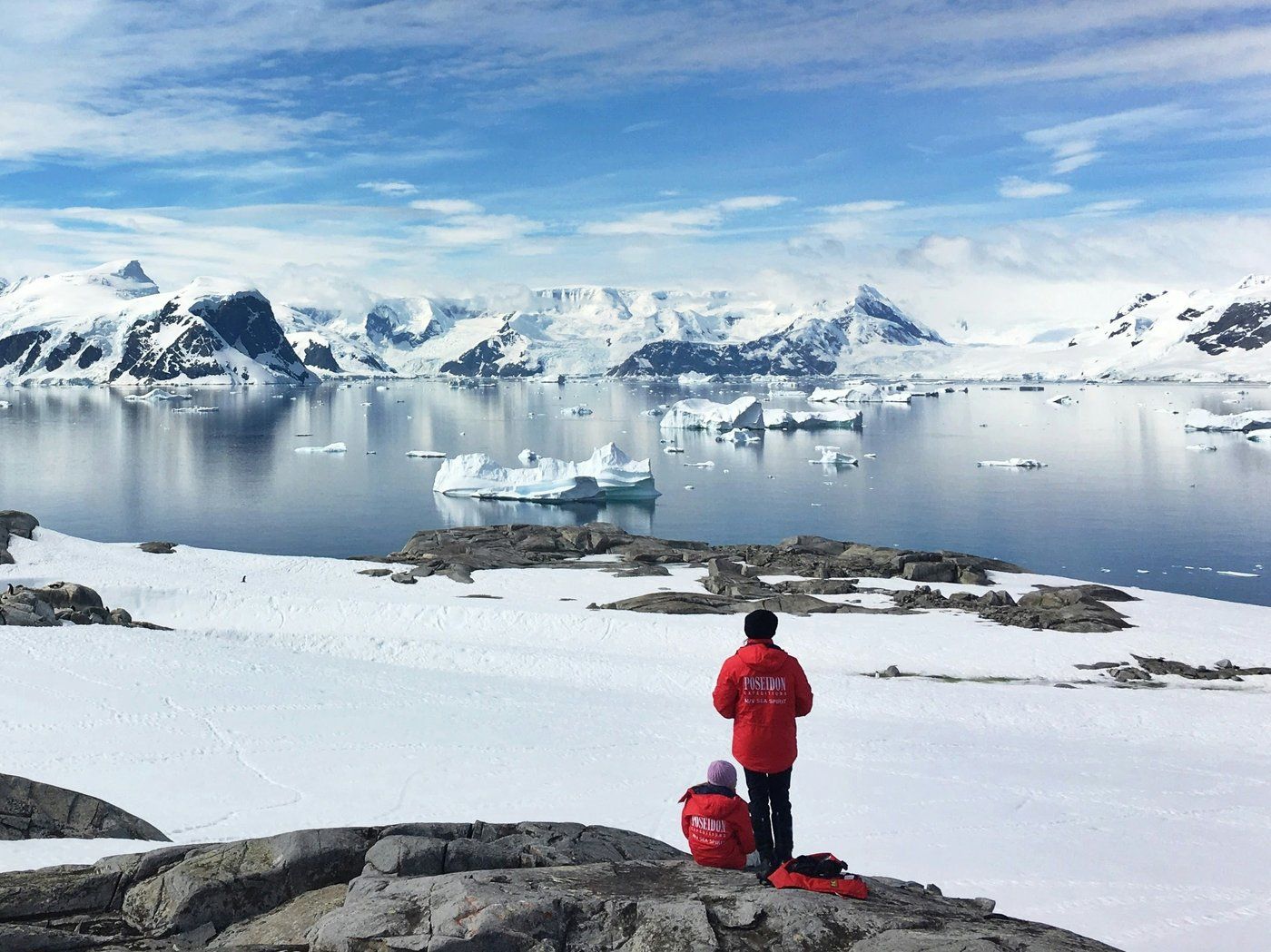
Antarctica continues to stand as the only continent devoid of military or mining activities, a status that has drawn increasing global attention. In Wellington, New Zealand, international politicians convened last year to deliberate on the future of this pristine region. This summit occurred against a backdrop of heightened geopolitical tensions, particularly following Russia’s invasion of Ukraine and China’s growing ambitions in the area. While concerns about the potential for conflict in Antarctica mount, some experts argue that fears regarding the continent’s security are exaggerated.
The ongoing discourse surrounding Antarctica’s governance is crucial, especially as nations eye its vast resources and strategic position. As global warming accelerates, the melting ice caps expose previously inaccessible areas rich in minerals and hydrocarbons. This situation intensifies the urgency for a concerted international approach to uphold the Antarctic Treaty System, which has successfully maintained the continent’s demilitarized status since its inception in 1961.
The implications of these developments extend far beyond environmental considerations. The United States has signaled its readiness to assert its interests in the region, potentially disrupting established treaties. According to experts, this assertiveness could lead to a scramble for resources in Antarctica, echoing historical patterns of territorial expansion seen elsewhere.
Russia and China have both been increasingly active in their Arctic and Antarctic policies, raising alarms among Western nations. Some analysts view this as a precursor to potential confrontations, with the risk of militarization in the region increasing. The discussions in Wellington aimed to address these tensions while reinforcing commitments to existing treaties that prioritize scientific research and environmental preservation.
As the world grapples with these geopolitical shifts, the future of Antarctica remains uncertain. The delicate balance established by the Antarctic Treaty is under pressure, and the potential for conflict grows as nations prioritize national interests. While some argue that collaboration and dialogue can prevail, the realities of global politics indicate a more complex landscape.
Given the stakes, countries must work together to ensure that Antarctica remains a zone of peace and scientific discovery. The challenges posed by climate change and national interests necessitate a renewed commitment to multilateral cooperation. As the international community reflects on the outcomes of the Wellington summit, it becomes increasingly clear that the cost of peace on this continent may be higher than previously anticipated.








Professor Brian Cox Launches ‘Emergence’ World Tour in June

South Africa Triumphs Over Zimbabwe to Face New Zealand in T20 Semis

Hurricanes Aim for Record Crowd Against Western Force in Napier

Speeding Penalties Spark Controversy Over Revenue Collection

Landlords Urge Tenancy Tribunal to Track Unpaid Awards Nationwide

March Unveils Exciting TV Premieres and Returning Favorites

Qatar Football Association Halts All Tournaments Indefinitely

Challenge Yourself: Test Your Vocabulary with Today’s Hard Word

Iran Launches Retaliatory Missile Strikes Following Khamenei’s Death

Community Mourns Teens Lost in Mount Maunganui Landslide

Tributes Pour In for Lachlan Rofe, Reality Star, Dead at 47

Private Funeral Held for Dean Field and His Three Children

Funeral Planned for Field Siblings After Tragic House Fire

Netball New Zealand Stands Down Dame Noeline Taurua for Series

Julian Dennison Ties the Knot with Christian Baledrokadroka in New Zealand

New ‘Maverick’ Chaser Joins Beat the Chasers Season Finale

Silver Ferns Legend Laura Langman Criticizes Team’s Attitude

Eli Katoa Rushed to Hospital After Sideline Incident During Match
-
 Top Stories1 month ago
Community Mourns Teens Lost in Mount Maunganui Landslide
-
 Entertainment6 months ago
Tributes Pour In for Lachlan Rofe, Reality Star, Dead at 47
-
 World3 months ago
Private Funeral Held for Dean Field and His Three Children
-
 Top Stories3 months ago
Funeral Planned for Field Siblings After Tragic House Fire
-
 Sports6 months ago
Netball New Zealand Stands Down Dame Noeline Taurua for Series
-
 Entertainment1 month ago
Julian Dennison Ties the Knot with Christian Baledrokadroka in New Zealand
-
 Entertainment5 months ago
New ‘Maverick’ Chaser Joins Beat the Chasers Season Finale
-
 Sports6 months ago
Silver Ferns Legend Laura Langman Criticizes Team’s Attitude
-
 Sports4 months ago
Eli Katoa Rushed to Hospital After Sideline Incident During Match
-

 Sports4 months ago
All Blacks Star Damian McKenzie and Partner Announce Baby News
-

 Sports3 months ago
Nathan Williamson’s Condition Improves Following Race Fall
-

 Politics5 months ago
Netball NZ Calls for Respect Amid Dame Taurua’s Standoff