
Top Stories
Speeding Penalties Spark Controversy Over Revenue Collection

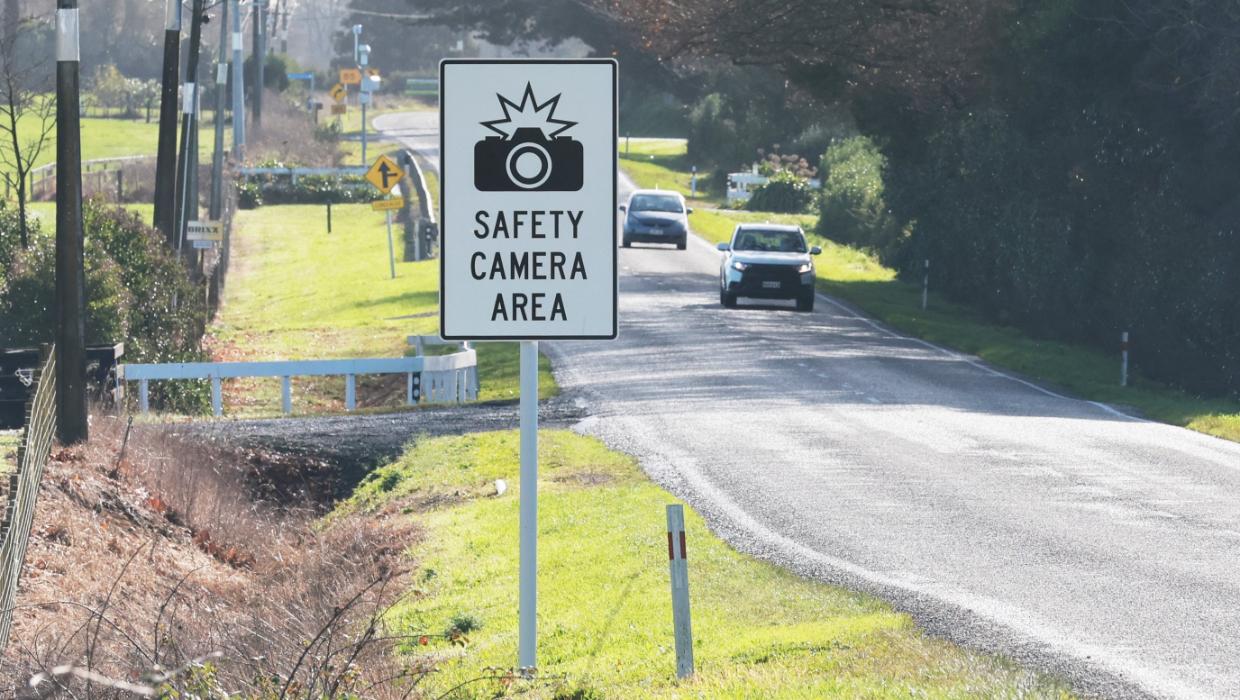
The rising number of speeding penalties in New Zealand has ignited a heated debate about whether these fines serve as genuine safety measures or merely act as revenue generators for the government. Incidents of vandalism against speed cameras—ranging from spray paint to arson—underscore a growing public frustration with perceived overreach in traffic enforcement.
Many drivers view the escalating fines as a form of taxation under a different name. As the government positions itself with a campaign promise of “no new taxes,” it has instead increased fines and deployed more speed cameras, leading to significant financial returns. For instance, the speed camera on Auckland’s Coatesville–Riverhead Highway alone generated over $10 million in fines after the speed limit was lowered from 80 kph to 60 kph in 2020. Other notable locations like Hillsborough Road have consistently accrued between $1.5 million and $2 million annually.
The New Zealand Transport Agency (NZTA) took over speed camera operations from local police in July 2025, introducing unmarked Toyota RAV4 SUVs equipped with speed cameras. These vehicles quickly amassed more than $928,000 in fines within their first four months. One SUV operating primarily in Auckland alone accounted for over $104,000 during that period. Importantly, the fines collected do not support police operations or specific safety initiatives; they funnel directly into the Crown Consolidated Fund, the government’s general revenue pool.
This raises pressing questions about the true intent behind these enforcement strategies. Critics argue that the increased fines, particularly the revisions made in February 2026, blur the lines between safety enforcement and revenue generation. While the government cites a legitimate goal of reducing speeding to enhance road safety, the financial implications cannot be overlooked. Total revenue from speeding fines dropped from $55 million in 2019 to $30 million in 2024, prompting the government to adjust fine schedules to replenish dwindling collections.
The conversation surrounding speeding fines is complex. Many believe that genuine safety measures should prioritize deterrence through mechanisms like demerit points, which impact all drivers equally, regardless of wealth. Comments on social media platforms indicate a divide in public opinion. Some argue that fines merely serve as a “speed tax” that disproportionately affects those with fewer resources, while others maintain that the responsibility lies with individual drivers to adhere to speed limits.
Public sentiment is further complicated by the perception that enforcement measures are designed to maintain the government’s tax promise while shifting the financial burden to motorists. As one commenter noted, “If they are truly safety cameras, then demerit points are the fair way to punish speeders. There is no need for a fine.”
The tension between public safety and revenue collection is palpable. For some, speeding enforcement represents a crucial investment in community safety, while for others, it appears to be a strategic financial maneuver masquerading as public protection. The debate over speed cameras and penalties highlights a broader issue of trust in government policies and their alignment with public interests.
As New Zealand continues to grapple with these challenges, the future of speed enforcement remains uncertain. The ongoing discourse reflects not only the complexities of traffic safety but also the evolving relationship between citizens and their government in matters of public policy.








New $25 Million Funding Boosts Hospital Capacity Ahead of Winter

Discover Sleep Space’s Affordable Bach Bed Packages Today

Jury Dismissed in Sexual Assault Trial Over Misguided Questions

Wellington’s New Gallery Unveils Community-Driven Art Exhibition

All Whites Face Challenges as Injuries Strike Before World Cup

Heroic Bystander Rescues Swimmers from Dangerous Surf in Napier

Nina Oyama Returns to Crime Comedy in Deadloch Season 2

China Southern Airlines Offers Reliable Journey from Auckland to Vietnam

Nina Oyama Returns to Deadloch for Anticipated Season 2

Community Mourns Teens Lost in Mount Maunganui Landslide

Tributes Pour In for Lachlan Rofe, Reality Star, Dead at 47

Private Funeral Held for Dean Field and His Three Children

Funeral Planned for Field Siblings After Tragic House Fire

Netball New Zealand Stands Down Dame Noeline Taurua for Series

Julian Dennison Ties the Knot with Christian Baledrokadroka in New Zealand

New Research Reveals Simple Path to Enhanced Happiness

New ‘Maverick’ Chaser Joins Beat the Chasers Season Finale

Maia Wilson Faces Backlash Following Taurua’s Suspension
-
 Top Stories5 months ago
Community Mourns Teens Lost in Mount Maunganui Landslide
-
 Entertainment10 months ago
Tributes Pour In for Lachlan Rofe, Reality Star, Dead at 47
-
 World7 months ago
Private Funeral Held for Dean Field and His Three Children
-
 Top Stories7 months ago
Funeral Planned for Field Siblings After Tragic House Fire
-
 Sports10 months ago
Netball New Zealand Stands Down Dame Noeline Taurua for Series
-
 Entertainment5 months ago
Julian Dennison Ties the Knot with Christian Baledrokadroka in New Zealand
-
 Science8 months ago
New Research Reveals Simple Path to Enhanced Happiness
-
 Entertainment9 months ago
New ‘Maverick’ Chaser Joins Beat the Chasers Season Finale
-
 Lifestyle9 months ago
Maia Wilson Faces Backlash Following Taurua’s Suspension
-

 Sports8 months ago
All Blacks Star Damian McKenzie and Partner Announce Baby News
-

 Sports10 months ago
Silver Ferns Legend Laura Langman Criticizes Team’s Attitude
-

 Sports8 months ago
Eli Katoa Rushed to Hospital After Sideline Incident During Match