
Politics
Iran Launches Retaliatory Missile Strikes Following Khamenei’s Death

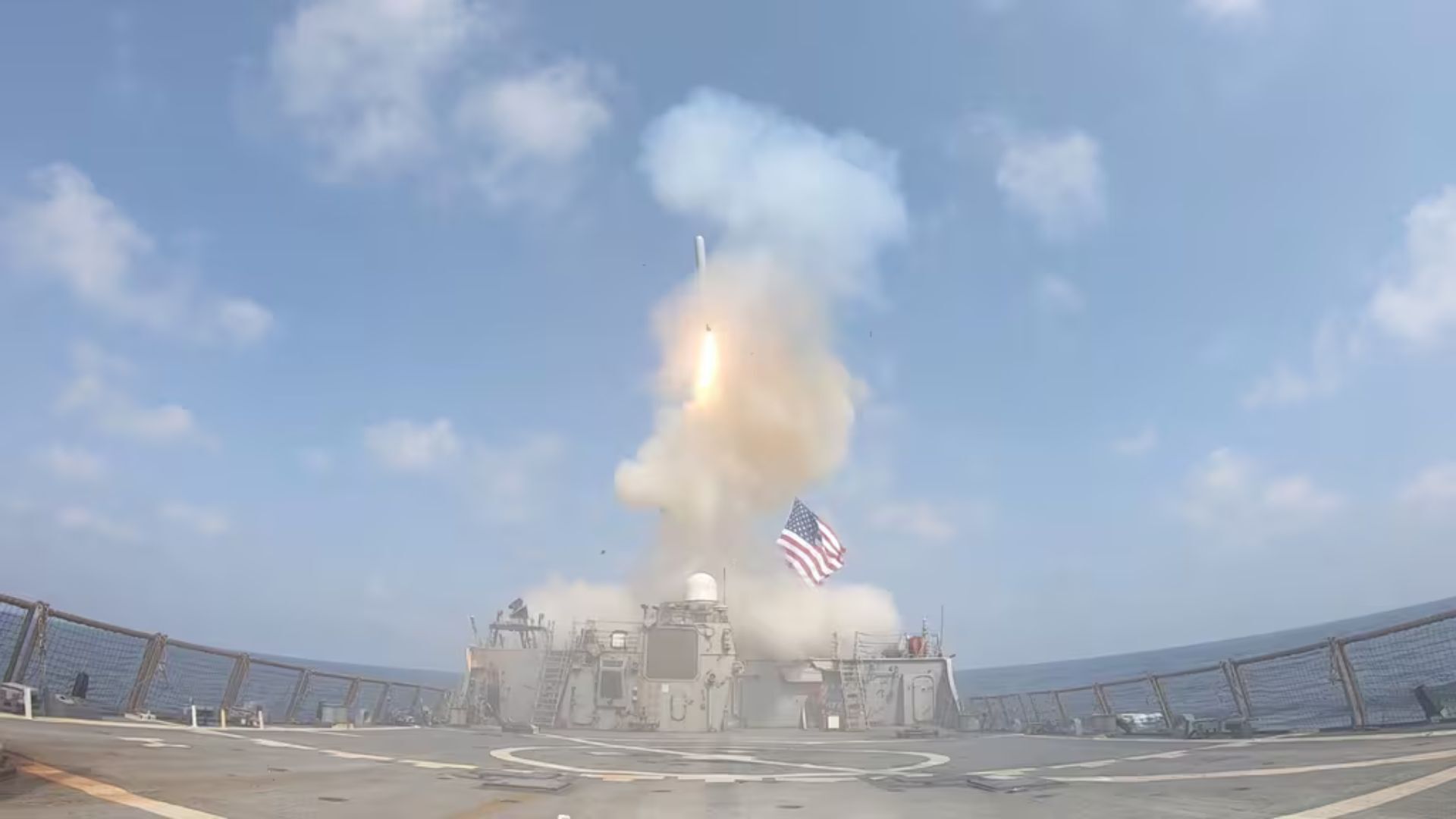
Iran has initiated missile strikes against targets in Israel and several Gulf Arab states following the death of Supreme Leader Ayatollah Ali Khamenei on March 9, 2024. Khamenei, who was 86 years old, was killed in a joint airstrike conducted by the United States and Israel at his office in Tehran. This development has significantly escalated tensions in the region, prompting a stern warning from U.S. President Donald Trump against further Iranian retaliation.
The Iranian government confirmed Khamenei’s death, stating it occurred during what they termed a “treacherous” attack by foreign powers. Iranian state television described his final moments as a testament to his commitment to confronting what officials label as “global arrogance.” The implications of his death have thrown the future of the Islamic Republic into uncertainty, raising fears of broader regional instability.
In response to Khamenei’s killing, Iranian officials vowed that the “great crime will never go unanswered.” The powerful Revolutionary Guard promised to execute its “most intense offensive operation” against Israeli and American military bases. In a televised address, Mohammad Bagher Qalibaf, Iran’s parliamentary speaker, warned, “You have crossed our red line and must pay the price.”
The missile strikes began within hours of the airstrike that killed Khamenei. Iranian forces targeted military installations in Israel and U.S. bases in Bahrain, Kuwait, and Qatar. The Israeli military reported that many missiles were intercepted, but one attack resulted in a fatality in the Tel Aviv area, where emergency services confirmed a woman’s death from missile injuries.
Escalating Regional Tensions
The missile exchanges caused significant disruptions across the Middle East. Air defense systems activated over Dubai, and explosions were reported as far as the United Arab Emirates. Shrapnel from Iranian missile strikes in Abu Dhabi reportedly resulted in one death, and debris caused fires at the UAE’s main port, along with damage to the iconic Burj Al Arab hotel.
The U.S. military reported that despite “hundreds of Iranian missile and drone attacks,” there were no American casualties, and damage at U.S. bases was minimal. Targets inside Iran included Revolutionary Guard command facilities and military airfields. Israeli sources claimed to have eliminated key figures in the Iranian military command during the operation, which had been in planning for several months.
The death of Khamenei marks a significant turning point in Iranian leadership, as he was the final authority on major state policies and held sway over both the clerical establishment and the Revolutionary Guard. Following his death, Iran swiftly established a governing council to maintain order until a new supreme leader is appointed.
Global Repercussions and Future Outlook
The ongoing conflict has raised concerns about potential disruptions in global oil markets, particularly regarding shipping through the Strait of Hormuz, a critical channel for oil exports. Saudi Arabia reported repelling attempted strikes on its capital and eastern regions, while Bahrain confirmed missile attacks targeting the U.S. Navy’s 5th Fleet headquarters. Explosions were also reported in Kuwait and Qatar, where authorities dealt with numerous drones and ballistic missiles.
As the situation develops, the international community watches closely. The escalation has drawn criticism in Washington, with some politicians arguing that President Trump acted without congressional authorization. In his social media posts, Trump characterized Khamenei’s death as a pivotal moment for the Iranian people, suggesting it could be their “greatest chance” to reclaim their country.
The aftermath of Khamenei’s assassination and the subsequent retaliatory actions have heightened fears of a larger conflict that could extend beyond Iran and Israel. The region remains on high alert as missile exchanges continue, underscoring the fragile state of security in the Middle East.











New $25 Million Funding Boosts Hospital Capacity Ahead of Winter

Discover Sleep Space’s Affordable Bach Bed Packages Today

Jury Dismissed in Sexual Assault Trial Over Misguided Questions

Wellington’s New Gallery Unveils Community-Driven Art Exhibition

All Whites Face Challenges as Injuries Strike Before World Cup

Heroic Bystander Rescues Swimmers from Dangerous Surf in Napier

Nina Oyama Returns to Crime Comedy in Deadloch Season 2

China Southern Airlines Offers Reliable Journey from Auckland to Vietnam

Nina Oyama Returns to Deadloch for Anticipated Season 2

Community Mourns Teens Lost in Mount Maunganui Landslide

Tributes Pour In for Lachlan Rofe, Reality Star, Dead at 47

Private Funeral Held for Dean Field and His Three Children

Funeral Planned for Field Siblings After Tragic House Fire

Netball New Zealand Stands Down Dame Noeline Taurua for Series

Julian Dennison Ties the Knot with Christian Baledrokadroka in New Zealand

New Research Reveals Simple Path to Enhanced Happiness

New ‘Maverick’ Chaser Joins Beat the Chasers Season Finale

Maia Wilson Faces Backlash Following Taurua’s Suspension
-
 Top Stories5 months ago
Community Mourns Teens Lost in Mount Maunganui Landslide
-
 Entertainment10 months ago
Tributes Pour In for Lachlan Rofe, Reality Star, Dead at 47
-
 World7 months ago
Private Funeral Held for Dean Field and His Three Children
-
 Top Stories8 months ago
Funeral Planned for Field Siblings After Tragic House Fire
-
 Sports10 months ago
Netball New Zealand Stands Down Dame Noeline Taurua for Series
-
 Entertainment6 months ago
Julian Dennison Ties the Knot with Christian Baledrokadroka in New Zealand
-
 Science8 months ago
New Research Reveals Simple Path to Enhanced Happiness
-
 Entertainment9 months ago
New ‘Maverick’ Chaser Joins Beat the Chasers Season Finale
-
 Lifestyle9 months ago
Maia Wilson Faces Backlash Following Taurua’s Suspension
-

 Sports9 months ago
All Blacks Star Damian McKenzie and Partner Announce Baby News
-

 Sports10 months ago
Silver Ferns Legend Laura Langman Criticizes Team’s Attitude
-

 Sports8 months ago
Eli Katoa Rushed to Hospital After Sideline Incident During Match