
Science
Otago Researchers Advance Phage Therapy to Combat Bacterial Diseases

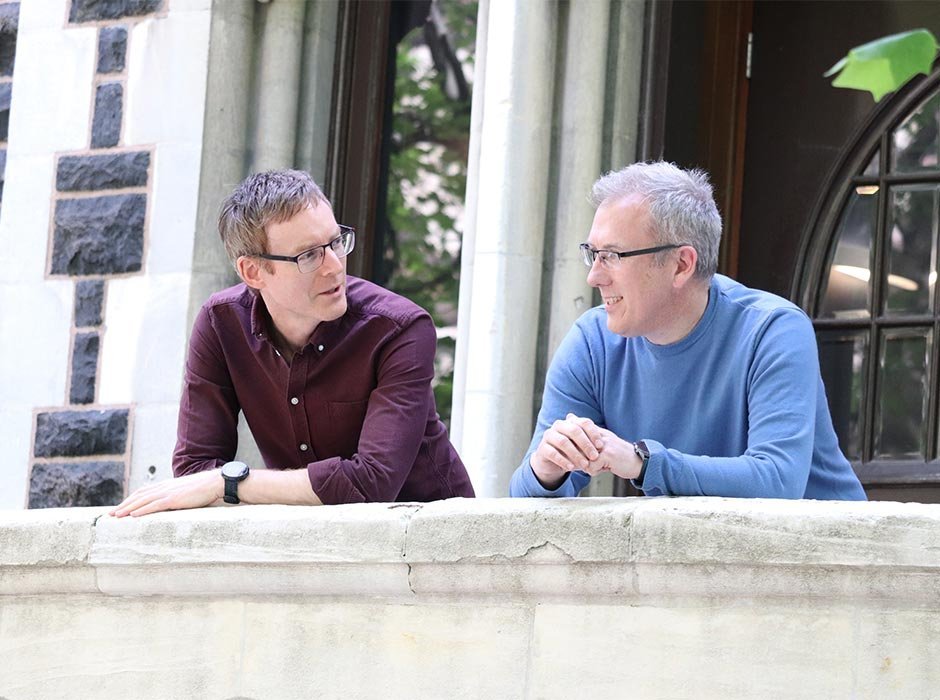
Researchers at the University of Otago are making significant strides in the development of phage therapy, a promising alternative to traditional antibiotics designed to combat bacterial diseases. Led by Prof Peter Fineran and Dr Robert Fagerlund, the team is investigating bacteriophages, which are viruses that specifically target and kill bacteria, with the goal of applying this technology to human health and agriculture.
Funding and Research Focus
The project has garnered financial support from the Ministry of Business, Innovation and Employment (MBIE), allowing the researchers to explore the potential of phage therapy specifically in New Zealand’s cherry orchards. Pseudomonas bacteria are a significant threat to these orchards, causing losses of up to 50% in young trees. Historically, orchardists have relied on copper sprays to manage this problem, but this method has proven ineffective over time as the bacteria develop resistance.
Prof Fineran explained that their research involves collecting phage samples from various orchards to create phage cocktails. These cocktails consist of multiple phages, each designed to breach the defenses of the bacteria. “If one phage is blocked, another still gets through,” he stated. This approach not only enhances treatment effectiveness but also minimizes the risk of resistance that often accompanies conventional antibiotics.
Potential Applications Beyond Agriculture
The implications of this research extend beyond agriculture. The techniques being developed are applicable to both human and animal pathogens. The team has identified “jumbo phages,” which can create protective protein shells within bacteria, allowing phages to replicate without interference from bacterial enzymes. Additionally, they have studied various phages that modify their DNA with sugars, providing an extra layer of defense against gene-editing technologies such as CRISPR.
Prof Fineran pointed out that these resilient phages could play a crucial role in medical treatments, particularly in cases where conventional antibiotics fail. Current trials are underway in hospitals across the Western world to evaluate the efficacy of phages against stubborn infections.
Despite the potential of phage therapy, Prof Fineran cautioned against viewing it as a “silver bullet.” Instead of fully replacing antibiotics, phages are more likely to serve as a complementary treatment option. “To achieve the desired outcomes, we must understand bacterial immune systems and the various strategies phages use to overcome them,” he noted, emphasizing that this understanding is central to their ongoing research.
As the University of Otago continues to explore the capabilities of phage therapy, the hope is that this innovative approach will provide new solutions to both agricultural and medical challenges posed by resistant bacterial strains.










Professor Brian Cox Launches ‘Emergence’ World Tour in June

South Africa Triumphs Over Zimbabwe to Face New Zealand in T20 Semis

Hurricanes Aim for Record Crowd Against Western Force in Napier

Speeding Penalties Spark Controversy Over Revenue Collection

Landlords Urge Tenancy Tribunal to Track Unpaid Awards Nationwide

March Unveils Exciting TV Premieres and Returning Favorites

Qatar Football Association Halts All Tournaments Indefinitely

Challenge Yourself: Test Your Vocabulary with Today’s Hard Word

Iran Launches Retaliatory Missile Strikes Following Khamenei’s Death

Community Mourns Teens Lost in Mount Maunganui Landslide

Tributes Pour In for Lachlan Rofe, Reality Star, Dead at 47

Private Funeral Held for Dean Field and His Three Children

Funeral Planned for Field Siblings After Tragic House Fire

Netball New Zealand Stands Down Dame Noeline Taurua for Series

Julian Dennison Ties the Knot with Christian Baledrokadroka in New Zealand

New ‘Maverick’ Chaser Joins Beat the Chasers Season Finale

Silver Ferns Legend Laura Langman Criticizes Team’s Attitude

Eli Katoa Rushed to Hospital After Sideline Incident During Match
-
 Top Stories1 month ago
Community Mourns Teens Lost in Mount Maunganui Landslide
-
 Entertainment6 months ago
Tributes Pour In for Lachlan Rofe, Reality Star, Dead at 47
-
 World3 months ago
Private Funeral Held for Dean Field and His Three Children
-
 Top Stories3 months ago
Funeral Planned for Field Siblings After Tragic House Fire
-
 Sports6 months ago
Netball New Zealand Stands Down Dame Noeline Taurua for Series
-
 Entertainment1 month ago
Julian Dennison Ties the Knot with Christian Baledrokadroka in New Zealand
-
 Entertainment5 months ago
New ‘Maverick’ Chaser Joins Beat the Chasers Season Finale
-
 Sports6 months ago
Silver Ferns Legend Laura Langman Criticizes Team’s Attitude
-
 Sports4 months ago
Eli Katoa Rushed to Hospital After Sideline Incident During Match
-

 Sports4 months ago
All Blacks Star Damian McKenzie and Partner Announce Baby News
-

 Sports3 months ago
Nathan Williamson’s Condition Improves Following Race Fall
-

 Politics5 months ago
Netball NZ Calls for Respect Amid Dame Taurua’s Standoff