
Science
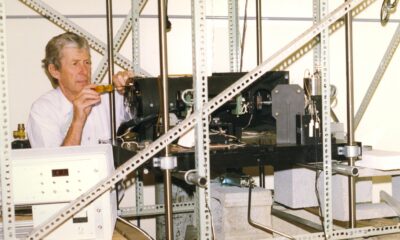
Renowned Brain Research Pioneer Sir Richard Faull Retires

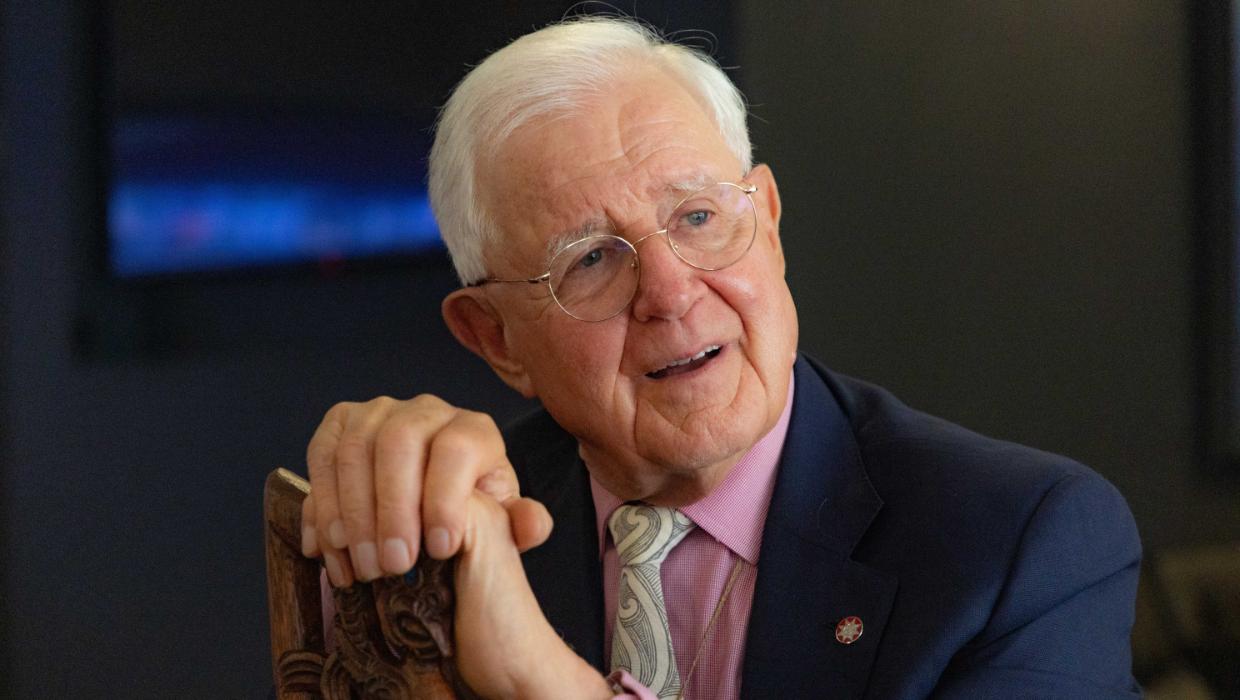
A prominent figure in the field of neuroscience, Sir Richard Faull, has officially retired from his position as director of the Centre for Brain Research at the University of Auckland. This marks the end of a remarkable career that has spanned over several decades. Faull founded the centre in 2009, and it has since emerged as a leading institute for brain research, uniting more than 500 scientists, clinicians, and engineers dedicated to advancing knowledge in the field.
Sir Richard Faull grew up in the small town of Tikorangi in Taranaki, where his passion for science was ignited during his time at Waitara High School. He frequently reflects on how his upbringing in the region influenced his academic journey. Faull’s heritage includes connections to Ngāti Rāhiri and Te Atiawa, and he cites Te Rangi Hiroa Sir Peter Buck as one of his inspirations. Buck, a descendant of Ngāti Mutunga, was the first Māori medical graduate of the University of Otago, where Faull also completed his education.
After finishing his secondary schooling at New Plymouth Boys’ High School, Faull won the Taranaki Scholarship, which financed his university studies. He graduated from Otago in 1970 and pursued further studies in brain research at prestigious institutions, including Harvard and MIT in the United States. In 1994, he established the Neurological Foundation Human Brain Bank in Auckland, which has become a vital resource for researchers investigating a variety of neurological diseases, including Alzheimer’s, Huntington’s, and epilepsy.
Faull’s contributions to neuroscience have been widely recognized. He was knighted in 2017 for his extensive work in brain research and received an honorary doctorate of science from Otago in December 2022. In acknowledgment of his collaboration with Māori communities on brain research, he was presented with a korowai and a tokotoko named Aumangea—symbolizing strength, leadership, and wisdom—carved by Rangi Bailey of Ngāti Rāhiri in 2023.
This month, after a significant tenure at the helm of the centre, Faull will transition to an ambassadorial role, allowing him to continue contributing to the field while stepping back from full-time responsibilities. His successor, Professor Hanneke Hurst, who hails from the University of Leiden in the Netherlands, will take over as director, ensuring the ongoing pursuit of excellence in brain research at the institute.
Sir Richard Faull leaves behind a legacy that has not only shaped the landscape of neuroscience in New Zealand but has also made a lasting impact on the global stage. As he embarks on this new chapter, his influence in the field will undoubtedly continue to be felt for years to come.





Greyhound Tests Positive for Meth After Racing Triumph

Rare Superman Comic Fetches Record $26 Million at Auction

David Seymour Champions Coalition Stability as Election Approaches

Dylan Pledger Faces Year Out After ACL Injury During Training

Tragic Swimming Incident Claims Life at Lake Tikitapu

Greyhound’s Positive Meth Test Raises Questions After Victory

Princess Catherine Marks 44th Birthday with Personal Video Message

Jehovah’s Witness Convention Injects $20M into Auckland Economy

Pledger Out for Season with Ruptured ACL, Highlanders Adjust Plans

Private Funeral Held for Dean Field and His Three Children

Funeral Planned for Field Siblings After Tragic House Fire

Netball New Zealand Stands Down Dame Noeline Taurua for Series

Tributes Pour In for Lachlan Rofe, Reality Star, Dead at 47

New ‘Maverick’ Chaser Joins Beat the Chasers Season Finale

Silver Ferns Legend Laura Langman Criticizes Team’s Attitude

Eli Katoa Rushed to Hospital After Sideline Incident During Match

Netball NZ Calls for Respect Amid Dame Taurua’s Standoff

Investigation Underway in Tragic Sanson House Fire Involving Family
-
 World2 months ago
Private Funeral Held for Dean Field and His Three Children
-
 Top Stories2 months ago
Funeral Planned for Field Siblings After Tragic House Fire
-
 Sports4 months ago
Netball New Zealand Stands Down Dame Noeline Taurua for Series
-
 Entertainment4 months ago
Tributes Pour In for Lachlan Rofe, Reality Star, Dead at 47
-
 Entertainment3 months ago
New ‘Maverick’ Chaser Joins Beat the Chasers Season Finale
-
 Sports4 months ago
Silver Ferns Legend Laura Langman Criticizes Team’s Attitude
-
 Sports2 months ago
Eli Katoa Rushed to Hospital After Sideline Incident During Match
-
 Politics3 months ago
Netball NZ Calls for Respect Amid Dame Taurua’s Standoff
-
 World2 months ago
Investigation Underway in Tragic Sanson House Fire Involving Family
-
 Sports4 weeks ago
Nathan Williamson’s Condition Improves Following Race Fall
-

 Entertainment1 month ago
Jacinda Ardern Discusses Popularity Decline on Graham Norton Show
-
 World3 weeks ago
Investigation Launched Following Boat Fire at Lake Taupō