
Top Stories
Researchers Discover Massive Centuries-Old Black Coral in Fiordland

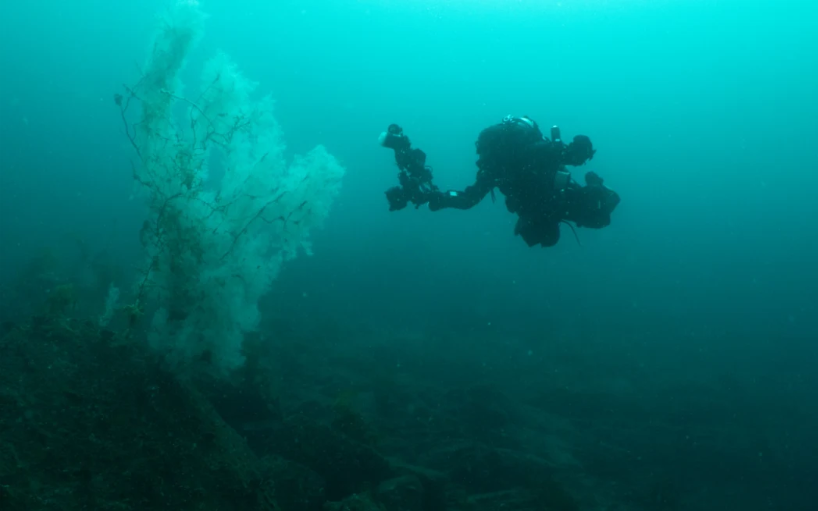
A remarkable discovery has emerged from the waters of Fiordland, New Zealand, as researchers identified a massive black coral estimated to be between 300 and 400 years old. Measuring an impressive 4 meters in height and 4.5 meters in width, this specimen is among the largest ever recorded in the region.
Professor James Bell, a marine biologist at Victoria University, described the find as “absolutely huge.” He noted, “It’s by far the largest black coral I’ve seen in my 25 years as a marine biologist.” Typically, black corals are much smaller, with most specimens encountered during dives measuring less than two to three meters tall. This significant discovery not only showcases the majesty of marine life but also underscores the importance of protecting such species.
Importance of Large Coral Discoveries
The identification of large corals is crucial for the continued health of underwater ecosystems. According to Professor Bell, these sizable specimens serve as vital breeding stock for black coral species, which are known for their slow growth rates. “Pinpointing where large corals occur means we can better protect them by letting people know where not to anchor their boats or drop pots,” he explained.
Despite its name, black coral is not actually black; it appears white in color, with only its skeleton exhibiting the dark hue. This characteristic has led to some confusion regarding its identification among divers and marine enthusiasts.
Senior biodiversity ranger Richard Kinsey expressed his excitement upon encountering the colossal coral, stating, “Seeing the large coral looming out of the darkness was pretty special. I’ve been a marine ranger in Fiordland for nearly 20 years, and it’s rare to see a coral so big. It’s easily the largest one I can remember seeing.”
Ongoing Research and Conservation Efforts
The discovery is part of a broader initiative involving researchers from Victoria University, the Department of Conservation (DOC), and the Fiordland Marine Guardians. Together, they are working to study and map the distribution of protected coral species throughout the fiords. Their aim is to gather information about the prevalence of large black coral colonies and enhance conservation efforts.
“We’d love to receive reports from anyone who knows of particularly large black corals that are greater than four meters so we can map their distribution and find out how common such large coral colonies are throughout Fiordland,” added Professor Bell.
Under the Wildlife Act, black coral is classified as a protected species. This designation makes it illegal to deliberately collect or cause damage to these ancient organisms, reinforcing the need for conservation and awareness surrounding their delicate ecosystems.
As researchers continue their work, the hope is that increased knowledge and public engagement will lead to better protection measures for these extraordinary marine species, ensuring they thrive for generations to come.









Landlords Urged to Negotiate Rents as Market Conditions Shift

New Zealand Names Brandon Matzopoulos to U19 Cricket World Cup Squad

Two Men Killed in Utah Church Shooting; Tributes Pour In

Researchers Discover Massive Centuries-Old Black Coral in Fiordland

Australian Developer Commits to Lizard Habitat Protection in Queenstown

News Fix: Key Headlines from January 13, 2026, Unveiled

Landlords Urged to Negotiate Rents Amid Falling Market Rates

Richie McCaw Discusses All Blacks’ Brand Strategy in the US

Corsair Bay Closure Triggered by Contaminated Septic System

Private Funeral Held for Dean Field and His Three Children

Funeral Planned for Field Siblings After Tragic House Fire

Netball New Zealand Stands Down Dame Noeline Taurua for Series

Tributes Pour In for Lachlan Rofe, Reality Star, Dead at 47

New ‘Maverick’ Chaser Joins Beat the Chasers Season Finale

Silver Ferns Legend Laura Langman Criticizes Team’s Attitude

Eli Katoa Rushed to Hospital After Sideline Incident During Match

Netball NZ Calls for Respect Amid Dame Taurua’s Standoff

Investigation Underway in Tragic Sanson House Fire Involving Family
-
 World2 months ago
Private Funeral Held for Dean Field and His Three Children
-
 Top Stories2 months ago
Funeral Planned for Field Siblings After Tragic House Fire
-
 Sports4 months ago
Netball New Zealand Stands Down Dame Noeline Taurua for Series
-
 Entertainment4 months ago
Tributes Pour In for Lachlan Rofe, Reality Star, Dead at 47
-
 Entertainment3 months ago
New ‘Maverick’ Chaser Joins Beat the Chasers Season Finale
-
 Sports4 months ago
Silver Ferns Legend Laura Langman Criticizes Team’s Attitude
-
 Sports2 months ago
Eli Katoa Rushed to Hospital After Sideline Incident During Match
-
 Politics3 months ago
Netball NZ Calls for Respect Amid Dame Taurua’s Standoff
-
 World2 months ago
Investigation Underway in Tragic Sanson House Fire Involving Family
-

 Sports4 weeks ago
Nathan Williamson’s Condition Improves Following Race Fall
-

 Entertainment1 month ago
Jacinda Ardern Discusses Popularity Decline on Graham Norton Show
-
 World3 weeks ago
Investigation Launched Following Boat Fire at Lake Taupō