
Politics
Judge’s Words Propel Homeless Woman to Recovery and Hope

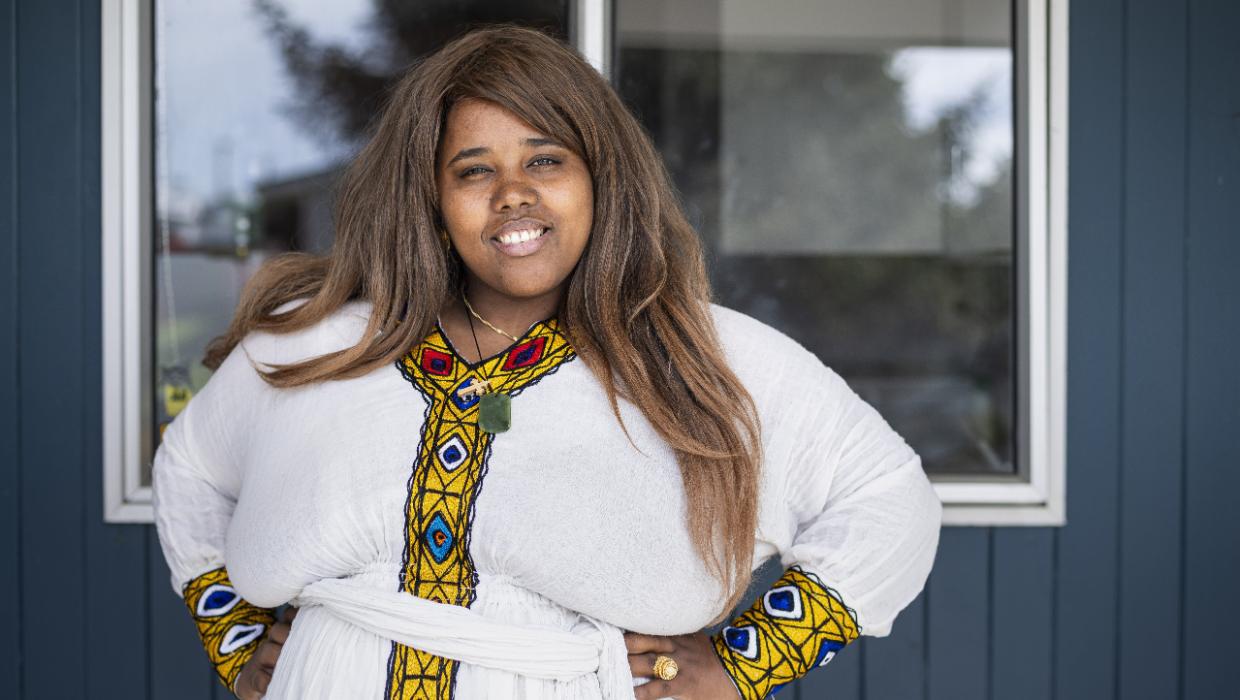
In New Zealand, a woman named Sem transformed her life after a judge told her, “Sem is not a lost cause.” This pivotal moment sparked a journey from homelessness and addiction to recovery and newfound purpose. Sem, now 32, represents a growing crisis; according to the latest Census data, over 57,500 women in New Zealand are experiencing extreme housing deprivation, accounting for more than 51% of the country’s homeless population.
Women in New Zealand face unique challenges, often hidden from view. Many sleep on couches, in cars, or engage in sex work to secure shelter. Sem’s previous life included trading sex for a bed—a choice she felt was the only honest option available to support her addiction. “I always felt like I was a lost cause… I had made up my mind that I was gonna commit suicide,” she recounted. Her journey illustrates the grim reality faced by many women who find themselves homeless.
The Struggles of Homeless Women in New Zealand
The Coalition to End Women’s Homelessness has reported alarming trends. Interviews with women experiencing homelessness revealed a disturbing pattern of mental health struggles, substance abuse, and trauma, particularly from past abuse. The report highlighted that older women are increasingly becoming homeless, with some even in their 70s. Furthermore, the dangerous street conditions often push women to engage in sex work for survival, as they feel compelled to do “anything” to secure a roof over their heads.
Sem’s life began to unravel when she moved to New Zealand from Ethiopia at the age of 15. She described being passed around various households, feeling unwanted and lost. Her first encounter with drugs came at age 17, leading to a rapid descent into addiction. “I felt shamed, embarrassed, and just worthless. I didn’t want to tell people that I was sleeping in my car,” she said.
Like many women in her situation, Sem turned to sex work. “I felt like I was making an honest earning,” she explained, even as her mental health deteriorated. Victoria Crockford, project director at the Coalition to End Women’s Homelessness, stated that the risks of sexual violence on the streets force many women into precarious situations, including exchanging sex for shelter.
Hope and Recovery
Sem’s turning point came during a court appearance last year. Hearing the judge declare that she was “not a lost cause” shifted her perspective. She decided to seek help and was bailed to a sober environment. Since that moment, Sem has been clean for over seven months and 12 days. She now lives in her own rental property, owns a car, and dedicates her time to volunteering with OrangeSky, an organization that supports those experiencing homelessness.
Star*, a 35-year-old woman from Christchurch, also shares her struggles with homelessness. After years on the streets, she understands the dangers and isolation that come with this lifestyle. Star’s circumstances forced her into drug use as a way to cope with the harsh realities of living outdoors. “I’m unsafe most of the time… when I’m by myself, I’m pretty much in danger,” she said.
Alarna Barr, a frontline worker with Housing First in Christchurch, emphasized that women often face unique challenges that exacerbate their mental health issues while homeless. “They can be approached by numerous males and some are quite rude and tough… They get really lonely,” she noted. With only three dedicated facilities for homeless women across New Zealand, the system struggles to meet their specific needs.
Sem continues to advocate for awareness around the issues faced by homeless women. She hopes to bring her younger sister from Ethiopia to New Zealand, offering her a chance at a better life. “I just wanted to be heard and understood,” she said, emphasizing the importance of sharing her story.
Both Sem and Star highlight the urgent need for targeted support for homeless women in New Zealand. The current landscape shows a stark disparity between the needs of homeless men and women, calling for a dedicated women’s homelessness strategy. As more voices like Sem’s emerge, the hope remains that change is on the horizon for those who feel invisible in society.










New $25 Million Funding Boosts Hospital Capacity Ahead of Winter

Discover Sleep Space’s Affordable Bach Bed Packages Today

Jury Dismissed in Sexual Assault Trial Over Misguided Questions

Wellington’s New Gallery Unveils Community-Driven Art Exhibition

All Whites Face Challenges as Injuries Strike Before World Cup

Heroic Bystander Rescues Swimmers from Dangerous Surf in Napier

Nina Oyama Returns to Crime Comedy in Deadloch Season 2

China Southern Airlines Offers Reliable Journey from Auckland to Vietnam

Nina Oyama Returns to Deadloch for Anticipated Season 2

Community Mourns Teens Lost in Mount Maunganui Landslide

Tributes Pour In for Lachlan Rofe, Reality Star, Dead at 47

Private Funeral Held for Dean Field and His Three Children

Funeral Planned for Field Siblings After Tragic House Fire

Netball New Zealand Stands Down Dame Noeline Taurua for Series

Julian Dennison Ties the Knot with Christian Baledrokadroka in New Zealand

New Research Reveals Simple Path to Enhanced Happiness

New ‘Maverick’ Chaser Joins Beat the Chasers Season Finale

Maia Wilson Faces Backlash Following Taurua’s Suspension
-
 Top Stories5 months ago
Community Mourns Teens Lost in Mount Maunganui Landslide
-
 Entertainment10 months ago
Tributes Pour In for Lachlan Rofe, Reality Star, Dead at 47
-
 World7 months ago
Private Funeral Held for Dean Field and His Three Children
-
 Top Stories7 months ago
Funeral Planned for Field Siblings After Tragic House Fire
-
 Sports10 months ago
Netball New Zealand Stands Down Dame Noeline Taurua for Series
-
 Entertainment5 months ago
Julian Dennison Ties the Knot with Christian Baledrokadroka in New Zealand
-
 Science8 months ago
New Research Reveals Simple Path to Enhanced Happiness
-
 Entertainment9 months ago
New ‘Maverick’ Chaser Joins Beat the Chasers Season Finale
-
 Lifestyle9 months ago
Maia Wilson Faces Backlash Following Taurua’s Suspension
-

 Sports8 months ago
All Blacks Star Damian McKenzie and Partner Announce Baby News
-

 Sports10 months ago
Silver Ferns Legend Laura Langman Criticizes Team’s Attitude
-

 Sports8 months ago
Eli Katoa Rushed to Hospital After Sideline Incident During Match