
Top Stories
Scientists Drill into Antarctica’s Ice to Uncover Climate Insights

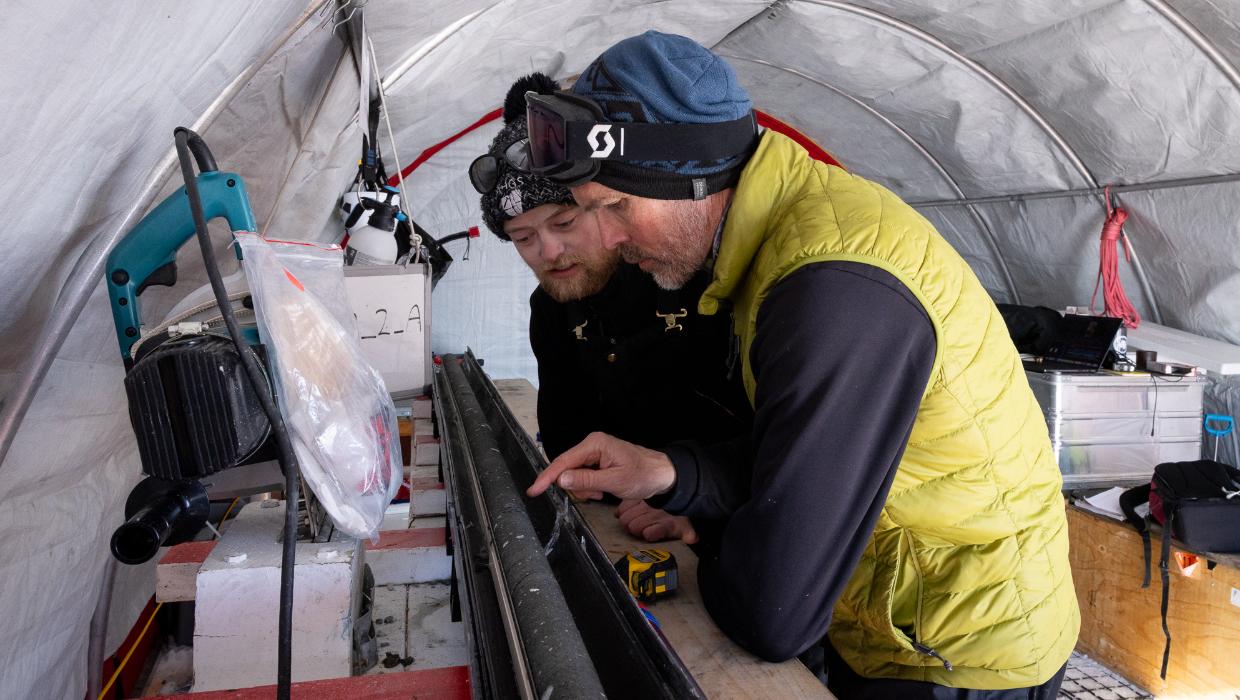
A team of scientists from New Zealand has embarked on a groundbreaking expedition to Antarctica, aiming to analyze sediment deposits that date back millions of years. This research is pivotal for understanding the future stability of ice shelves in the context of climate change.
The expedition, co-led by researchers from the University of Otago, focuses on drilling into ancient marine sediments beneath the ice. By studying these sediments, scientists hope to gain insights into past climate conditions and their implications for the current and future state of ice sheets. The data extracted will enhance predictions regarding ice shelf behavior as global temperatures continue to rise.
Investigating Ancient Climate Patterns
The research team is specifically examining sediment layers that have accumulated over millennia. These layers contain valuable information about historical climate variations and can reveal how ice shelves responded to past warming periods. Such knowledge is crucial for projecting how modern ice sheets may behave in a warming world.
According to Dr. Janine T. W. M. R. van der Wal, a lead researcher on the project, “Our goal is to understand how these ancient ice shelves reacted to previous climate changes. This information will help us model future scenarios under continued global warming.” The implications of this research stretch beyond Antarctica; they may inform climate resilience strategies worldwide.
The team has set up their research base on the Antarctic Peninsula, a region known for its rapidly melting ice. With funding from various international sources, including the New Zealand government, this expedition marks a significant collaborative effort in climate science.
Importance of Ice Shelf Stability
Ice shelves play a critical role in stabilizing the world’s ice sheets. They act as barriers that slow the flow of ice from land into the ocean. If these shelves collapse, it could lead to significant sea-level rise. Current estimates suggest that the melting of ice sheets could contribute more than 1 meter to global sea levels by the end of the century, a scenario that poses a threat to coastal communities worldwide.
The research team intends to collect core samples that will undergo detailed analysis in laboratories once returned to New Zealand. This detailed study will focus on the composition, age, and characteristics of the sediments. By correlating these findings with contemporary climate data, scientists can better understand the mechanisms driving ice shelf instability.
As the team conducts its work, they face numerous challenges, including harsh weather conditions and logistical hurdles. Yet, the potential benefits of their findings are immense. The data gathered has the potential to influence policy decisions regarding climate change mitigation and adaptation strategies.
In summary, this expedition to Antarctica illustrates the urgent need for scientific research in the face of climate change. By unlocking the secrets of ancient sediments, researchers aim to equip policymakers and communities with the knowledge necessary to confront future challenges posed by a warming planet.













Young Robotics Team from New Zealand Qualifies for World Championships

Alice Robinson Secures Second Place at World Cup Return

Fatalities Rise Following Three-Vehicle Collision in Bunnythorpe

Film Club Kicks Off 76th Season with Political Themes and Diverse Cinema

Trump’s Iran Strikes Likely to Drive Up Global Fuel Prices

Film Club Launches 76th Season with Political Themes in Cinema

Dan Carter and Lisa Carrington Reflect on Women Who Inspire Sport

Economic Recovery Fuels Property Market Resilience Amid Challenges

Sophie Henderson Shares Her Reading Journey and Upcoming Play

Community Mourns Teens Lost in Mount Maunganui Landslide

Tributes Pour In for Lachlan Rofe, Reality Star, Dead at 47

Private Funeral Held for Dean Field and His Three Children

Funeral Planned for Field Siblings After Tragic House Fire

Netball New Zealand Stands Down Dame Noeline Taurua for Series

Julian Dennison Ties the Knot with Christian Baledrokadroka in New Zealand

New ‘Maverick’ Chaser Joins Beat the Chasers Season Finale

Silver Ferns Legend Laura Langman Criticizes Team’s Attitude

Eli Katoa Rushed to Hospital After Sideline Incident During Match
-
 Top Stories1 month ago
Community Mourns Teens Lost in Mount Maunganui Landslide
-
 Entertainment6 months ago
Tributes Pour In for Lachlan Rofe, Reality Star, Dead at 47
-
 World3 months ago
Private Funeral Held for Dean Field and His Three Children
-
 Top Stories3 months ago
Funeral Planned for Field Siblings After Tragic House Fire
-
 Sports6 months ago
Netball New Zealand Stands Down Dame Noeline Taurua for Series
-
 Entertainment1 month ago
Julian Dennison Ties the Knot with Christian Baledrokadroka in New Zealand
-
 Entertainment5 months ago
New ‘Maverick’ Chaser Joins Beat the Chasers Season Finale
-
 Sports6 months ago
Silver Ferns Legend Laura Langman Criticizes Team’s Attitude
-
 Sports4 months ago
Eli Katoa Rushed to Hospital After Sideline Incident During Match
-

 Sports4 months ago
All Blacks Star Damian McKenzie and Partner Announce Baby News
-

 Sports3 months ago
Nathan Williamson’s Condition Improves Following Race Fall
-

 Politics5 months ago
Netball NZ Calls for Respect Amid Dame Taurua’s Standoff