
World
Hawke’s Bay Families Struggle with Rising Red Meat Prices

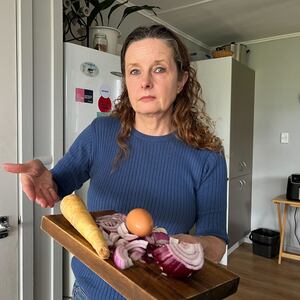
Families in Hawke’s Bay, New Zealand, are increasingly turning away from red meat due to soaring prices, disrupting long-standing culinary traditions. The cost of meat has surged sharply over the past year, with lamb priced at approximately $25 per kilogram and standard beef mince reaching $18, while premium cuts can be significantly higher. As a result, many households are adjusting their eating habits, substituting red meat with more affordable options.
In Raukawa, Tania Browne, a job seeker, shared her experience of living on a weekly income of $359. With food expenses ranging between $40 and $80 each week, Browne finds it challenging to incorporate meat into her diet. Although she does not pay rent, as she is residing in her parents’ spare house, her income is quickly consumed by expenses such as petrol, electricity, and other basic bills. This financial strain has led her to adopt a predominantly vegetarian diet.
“I hardly ever buy red meat,” Browne explained, reflecting a sentiment echoed by many families in the area. The implications of rising meat prices extend beyond individual households, suggesting a broader shift in dietary patterns across the region.
Impact on Local Traditions
The disappearance of traditional meals, such as the Sunday roast, highlights the cultural impact of these economic challenges. Families that once gathered around the table for hearty meat dishes are now seeking alternatives that fit their budgets. The increase in meat prices is not merely a financial issue; it is reshaping family dynamics and cultural practices.
According to recent market analyses, the price hikes in the meat sector can be attributed to various factors, including inflation, supply chain disruptions, and increased demand. As families navigate these changes, many are exploring plant-based diets or choosing less expensive protein sources, such as chicken or legumes.
The shift away from red meat is not limited to Hawke’s Bay. Reports from across New Zealand indicate that consumers are increasingly conscious of their spending on food, leading to a notable decline in red meat consumption nationwide.
Future of Meat Consumption
As the cost of living continues to rise, the future of meat consumption in New Zealand remains uncertain. Families like Browne’s are adapting to the new normal, prioritizing affordability over tradition. This trend raises questions about the long-term implications for the meat industry and the cultural significance of traditional meals.
In response to these changes, local farmers and producers are examining ways to make their products more accessible. Some are advocating for community-supported agriculture initiatives that could provide families with more affordable options while ensuring they have access to quality meat.
The evolving landscape of food consumption in Hawke’s Bay serves as a microcosm of a larger trend seen in various regions. As economic pressures mount, the choices that families make today may shape the dining habits of future generations, highlighting the delicate balance between culture, tradition, and economic realities.










Professor Brian Cox Launches ‘Emergence’ World Tour in June

South Africa Triumphs Over Zimbabwe to Face New Zealand in T20 Semis

Hurricanes Aim for Record Crowd Against Western Force in Napier

Speeding Penalties Spark Controversy Over Revenue Collection

Landlords Urge Tenancy Tribunal to Track Unpaid Awards Nationwide

March Unveils Exciting TV Premieres and Returning Favorites

Qatar Football Association Halts All Tournaments Indefinitely

Challenge Yourself: Test Your Vocabulary with Today’s Hard Word

Iran Launches Retaliatory Missile Strikes Following Khamenei’s Death

Community Mourns Teens Lost in Mount Maunganui Landslide

Tributes Pour In for Lachlan Rofe, Reality Star, Dead at 47

Private Funeral Held for Dean Field and His Three Children

Funeral Planned for Field Siblings After Tragic House Fire

Netball New Zealand Stands Down Dame Noeline Taurua for Series

Julian Dennison Ties the Knot with Christian Baledrokadroka in New Zealand

New ‘Maverick’ Chaser Joins Beat the Chasers Season Finale

Silver Ferns Legend Laura Langman Criticizes Team’s Attitude

Eli Katoa Rushed to Hospital After Sideline Incident During Match
-
 Top Stories1 month ago
Community Mourns Teens Lost in Mount Maunganui Landslide
-
 Entertainment6 months ago
Tributes Pour In for Lachlan Rofe, Reality Star, Dead at 47
-
 World3 months ago
Private Funeral Held for Dean Field and His Three Children
-
 Top Stories3 months ago
Funeral Planned for Field Siblings After Tragic House Fire
-
 Sports6 months ago
Netball New Zealand Stands Down Dame Noeline Taurua for Series
-
 Entertainment1 month ago
Julian Dennison Ties the Knot with Christian Baledrokadroka in New Zealand
-
 Entertainment5 months ago
New ‘Maverick’ Chaser Joins Beat the Chasers Season Finale
-
 Sports6 months ago
Silver Ferns Legend Laura Langman Criticizes Team’s Attitude
-
 Sports4 months ago
Eli Katoa Rushed to Hospital After Sideline Incident During Match
-

 Sports4 months ago
All Blacks Star Damian McKenzie and Partner Announce Baby News
-

 Sports3 months ago
Nathan Williamson’s Condition Improves Following Race Fall
-

 Politics5 months ago
Netball NZ Calls for Respect Amid Dame Taurua’s Standoff