
Business
Public Service Workforce Outnumbers Key Era by 14,000 Roles

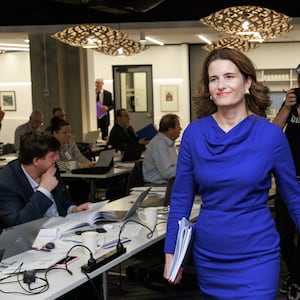
Discussions surrounding the size of New Zealand’s public service have intensified, with critics highlighting that the workforce remains larger by 14,000 roles compared to the era of former Prime Minister John Key. This commentary, made by prominent journalist Heather du Plessis-Allan, sheds light on ongoing debates about public sector efficiency and governmental structure.
The current public service workforce stands at approximately 61,000 employees, a significant increase from the 47,000 roles recorded during Key’s administration, which spanned from 2008 to 2017. This growth has sparked concerns among opposition parties and members of the public, questioning the necessity and effectiveness of such a large workforce.
Critics argue that the Labour Government’s approach to expanding the public service has not resulted in improved outcomes for citizens, raising doubts about accountability and resource allocation. The Statistics New Zealand data shows a steady rise in public sector employment, which some believe reflects a culture of bureaucratic expansion rather than strategic governance.
Debate Over Public Sector Size Continues
The opposition has called for a thorough examination of public service roles, emphasizing that the increase has not corresponded with a perceived improvement in public services. The Labour Government has defended its staffing decisions, arguing that a larger public service is essential to meet the growing demands of society, particularly in areas such as health, education, and social services.
Opposition leaders have pointed to specific inefficiencies and delays in service delivery, suggesting that a leaner, more focused public service could enhance performance. They maintain that reform is needed to realign the workforce with the needs of the populace.
The debate highlights a broader conversation about governmental priorities and the balance between adequate staffing and fiscal responsibility. As public resources remain limited, the challenge lies in ensuring that the public service operates effectively without unnecessary expansion.
Public Sentiment and Future Implications
Public sentiment appears to be divided, with some citizens supporting the need for a robust public service while others express frustration over perceived wastefulness. The ongoing discourse will likely influence future elections and policy decisions, particularly as voters seek accountability and transparency from their leaders.
As New Zealand navigates these complexities, the implications of workforce size on governance, service delivery, and public trust will continue to be scrutinized. The debate initiated by du Plessis-Allan’s commentary serves as a catalyst for deeper discussions about the future of public service in the country.












Dan Carter and Lisa Carrington Reflect on Women Who Inspire Sport

Economic Recovery Fuels Property Market Resilience Amid Challenges

Sophie Henderson Shares Her Reading Journey and Upcoming Play

Cancer Society Opens New Centre in Queenstown for Community Support

Can You Solve Today’s Challenging Word Puzzle in One Minute?

Anthropic Rejects Pentagon Demands, Prioritizes AI Ethics

Bioeconomy Science Institute Announces 6% Staff Reduction

Brumbies Snatch Victory from Blues in Thrilling Finish

Lotto Powerball Draws $6 Million Jackpot; Winning Numbers Revealed

Community Mourns Teens Lost in Mount Maunganui Landslide

Tributes Pour In for Lachlan Rofe, Reality Star, Dead at 47

Private Funeral Held for Dean Field and His Three Children

Funeral Planned for Field Siblings After Tragic House Fire

Netball New Zealand Stands Down Dame Noeline Taurua for Series

Julian Dennison Ties the Knot with Christian Baledrokadroka in New Zealand

New ‘Maverick’ Chaser Joins Beat the Chasers Season Finale

Silver Ferns Legend Laura Langman Criticizes Team’s Attitude

Eli Katoa Rushed to Hospital After Sideline Incident During Match
-
 Top Stories1 month ago
Community Mourns Teens Lost in Mount Maunganui Landslide
-
 Entertainment6 months ago
Tributes Pour In for Lachlan Rofe, Reality Star, Dead at 47
-
 World3 months ago
Private Funeral Held for Dean Field and His Three Children
-
 Top Stories3 months ago
Funeral Planned for Field Siblings After Tragic House Fire
-
 Sports6 months ago
Netball New Zealand Stands Down Dame Noeline Taurua for Series
-
 Entertainment1 month ago
Julian Dennison Ties the Knot with Christian Baledrokadroka in New Zealand
-
 Entertainment5 months ago
New ‘Maverick’ Chaser Joins Beat the Chasers Season Finale
-
 Sports6 months ago
Silver Ferns Legend Laura Langman Criticizes Team’s Attitude
-
 Sports4 months ago
Eli Katoa Rushed to Hospital After Sideline Incident During Match
-

 Sports4 months ago
All Blacks Star Damian McKenzie and Partner Announce Baby News
-

 Sports3 months ago
Nathan Williamson’s Condition Improves Following Race Fall
-

 Politics5 months ago
Netball NZ Calls for Respect Amid Dame Taurua’s Standoff