
Health
Argentines Shift from Beef to Alternative Proteins Amid Inflation

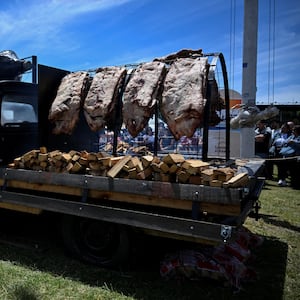
As the festive season approaches in Argentina, traditional gatherings centered around the iconic “asado” are undergoing a notable transformation. The famed grills, typically filled with an array of steaks, ribs, and sausages, are increasingly being replaced by a variety of chicken, pork, and even vegetables. This shift reflects the impact of rising inflation, which has made beef less accessible to many families, alongside changing societal values regarding food consumption.
According to the IPCVA (Beef Promotion Institute), Argentina’s beef consumption hit a historic low in 2024, with an average of just 47 kilograms of red meat consumed per person. This figure is a stark contrast to the nearly 100 kilograms enjoyed per capita at the end of the 1950s. Projections indicate a slight recovery, estimating average consumption will rise to 50 kilograms per person in 2025, but this still highlights a significant decline in beef’s popularity.
The financial burden of beef has become increasingly apparent, as inflation rates have surged, affecting household budgets across the country. Rising prices have compelled many Argentines to reconsider their dietary choices. The once proud status of Argentina, which has long competed with neighbouring Uruguay for the title of the world’s top beef consumers, is now in question as cultural and economic factors reshape eating habits.
Public sentiment regarding meat consumption is also evolving. There is a growing awareness of health and environmental issues linked to meat production, prompting more individuals to explore plant-based diets or diversify their protein sources. This change is evident in social media trends and discussions among younger generations, who are leading the charge towards a more varied culinary landscape.
In urban areas, restaurants and eateries are adapting their menus to reflect these changing preferences. Diners now find a greater selection of non-beef options, catering to a populace that is increasingly conscious of both health and economic realities. The once ubiquitous beef steak is no longer the default choice, as chicken and pork take center stage in many households during celebratory meals.
As the new year begins, Argentines are likely to continue this trend, balancing tradition with necessity. The iconic asado may never fade completely, but its composition is set to reflect a society grappling with inflation and evolving values. The future of beef consumption in Argentina remains uncertain, and the cultural significance of meat in this nation is being redefined in real-time.
In summary, while beef has long been a cornerstone of Argentine cuisine, economic pressures and changing societal attitudes are ushering in a new era of dietary choices. With each passing year, the landscape of food consumption in Argentina is poised for further transformation as consumers adapt to the realities of a changing economy.












Kelly Osbourne Responds to Body Shaming After Brit Awards

Otago Classics Day Showcases Fashion Talent for Champions Day

Luxon Engages Kiwi-Indians as Hipkins Critiques National Party

Professor Brian Cox Launches Global ‘Emergence’ Tour in June

New Zealand Breakers Seek Global Talent for Head Coach Role

Police Launch Investigation into Unexplained Death in Te Kamo

Israeli Strikes Kill 31 in Lebanon, Escalating Regional Conflict

Waikaka Gold Mine Approved for Operation Near Gore

Heather du Plessis-Allan Drive Podcast Highlights Key Issues

Community Mourns Teens Lost in Mount Maunganui Landslide

Tributes Pour In for Lachlan Rofe, Reality Star, Dead at 47

Private Funeral Held for Dean Field and His Three Children

Funeral Planned for Field Siblings After Tragic House Fire

Netball New Zealand Stands Down Dame Noeline Taurua for Series

Julian Dennison Ties the Knot with Christian Baledrokadroka in New Zealand

New ‘Maverick’ Chaser Joins Beat the Chasers Season Finale

Silver Ferns Legend Laura Langman Criticizes Team’s Attitude

Eli Katoa Rushed to Hospital After Sideline Incident During Match
-
 Top Stories1 month ago
Community Mourns Teens Lost in Mount Maunganui Landslide
-
 Entertainment6 months ago
Tributes Pour In for Lachlan Rofe, Reality Star, Dead at 47
-
 World3 months ago
Private Funeral Held for Dean Field and His Three Children
-
 Top Stories3 months ago
Funeral Planned for Field Siblings After Tragic House Fire
-
 Sports6 months ago
Netball New Zealand Stands Down Dame Noeline Taurua for Series
-
 Entertainment1 month ago
Julian Dennison Ties the Knot with Christian Baledrokadroka in New Zealand
-
 Entertainment5 months ago
New ‘Maverick’ Chaser Joins Beat the Chasers Season Finale
-
 Sports6 months ago
Silver Ferns Legend Laura Langman Criticizes Team’s Attitude
-
 Sports4 months ago
Eli Katoa Rushed to Hospital After Sideline Incident During Match
-

 Sports4 months ago
All Blacks Star Damian McKenzie and Partner Announce Baby News
-

 Sports3 months ago
Nathan Williamson’s Condition Improves Following Race Fall
-

 Politics5 months ago
Netball NZ Calls for Respect Amid Dame Taurua’s Standoff