
Health
Discover Effective Strategies for Better Sleep While Traveling

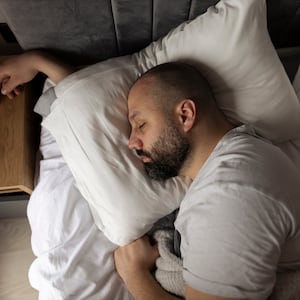
Traveling often disrupts sleep patterns, leaving many feeling fatigued and unfocused. A recent article from the Washington Post outlines practical solutions for achieving better sleep while on the road. These strategies aim to help travelers adapt to new environments and enhance their overall well-being.
Understanding the Challenges of Sleeping Away from Home
Sleep disruptions can stem from various factors, including unfamiliar surroundings, noise, and changes in routine. According to the National Sleep Foundation, these elements can significantly impact sleep quality, leading to issues such as insomnia or daytime drowsiness. Frequent travelers often report difficulties in achieving restful sleep, which can affect productivity and mood during their trips.
To combat these challenges, experts recommend several strategies. The American Academy of Sleep Medicine emphasizes the importance of creating a sleep-friendly environment, even when staying in hotels or other temporary accommodations. This includes adjusting the room’s temperature, minimizing noise, and utilizing blackout curtains to block excess light.
Practical Tips for Enhancing Sleep Quality
Travelers can implement several effective methods to improve their sleep experience. Here are some notable recommendations:
1. Establish a Sleep Routine: Keeping a consistent sleep schedule can help the body adjust to new time zones more easily. Aim to go to bed and wake up at the same time each day, even when traveling.
2. Prepare Your Sleep Environment: Use earplugs or noise-canceling headphones to reduce disturbances. Additionally, consider bringing a travel pillow and a lightweight blanket to enhance comfort.
3. Limit Screen Time: The blue light emitted from phones and tablets can interfere with melatonin production. Limiting screen use at least an hour before bedtime can promote better sleep.
4. Stay Hydrated but Avoid Heavy Meals: Drink plenty of water, but refrain from consuming large meals close to bedtime. This helps prevent disruptions caused by discomfort or frequent bathroom trips.
5. Consider Sleep Aids:** If necessary, consult a healthcare professional about using over-the-counter sleep aids or melatonin supplements to help regulate sleep patterns.
Incorporating these strategies can significantly improve the quality of sleep while traveling, allowing individuals to enjoy their trips more fully. As travel resumes worldwide, prioritizing sleep may become increasingly important for maintaining overall health and well-being.
For those seeking additional information, the Sleep Foundation offers a wealth of resources on sleep hygiene and strategies tailored specifically for travelers. By prioritizing sleep, travelers can enhance their experiences and make the most of their journeys, regardless of destination.













Kelly Osbourne Responds to Body Shaming After Brit Awards

The Science Behind Morning Routines: Are They Key to Success?

PM Luxon Engages with Kiwi-Indians as Hipkins Critiques His Efforts

Kelly Osbourne Responds to Body Shaming After Brit Awards

Otago Classics Day Showcases Fashion Talent for Champions Day

Luxon Engages Kiwi-Indians as Hipkins Critiques National Party

Professor Brian Cox Launches Global ‘Emergence’ Tour in June

New Zealand Breakers Seek Global Talent for Head Coach Role

Police Launch Investigation into Unexplained Death in Te Kamo

Community Mourns Teens Lost in Mount Maunganui Landslide

Tributes Pour In for Lachlan Rofe, Reality Star, Dead at 47

Private Funeral Held for Dean Field and His Three Children

Funeral Planned for Field Siblings After Tragic House Fire

Netball New Zealand Stands Down Dame Noeline Taurua for Series

Julian Dennison Ties the Knot with Christian Baledrokadroka in New Zealand

New ‘Maverick’ Chaser Joins Beat the Chasers Season Finale

Silver Ferns Legend Laura Langman Criticizes Team’s Attitude

Eli Katoa Rushed to Hospital After Sideline Incident During Match
-
 Top Stories1 month ago
Community Mourns Teens Lost in Mount Maunganui Landslide
-
 Entertainment6 months ago
Tributes Pour In for Lachlan Rofe, Reality Star, Dead at 47
-
 World3 months ago
Private Funeral Held for Dean Field and His Three Children
-
 Top Stories3 months ago
Funeral Planned for Field Siblings After Tragic House Fire
-
 Sports6 months ago
Netball New Zealand Stands Down Dame Noeline Taurua for Series
-
 Entertainment1 month ago
Julian Dennison Ties the Knot with Christian Baledrokadroka in New Zealand
-
 Entertainment5 months ago
New ‘Maverick’ Chaser Joins Beat the Chasers Season Finale
-
 Sports6 months ago
Silver Ferns Legend Laura Langman Criticizes Team’s Attitude
-
 Sports4 months ago
Eli Katoa Rushed to Hospital After Sideline Incident During Match
-

 Sports4 months ago
All Blacks Star Damian McKenzie and Partner Announce Baby News
-

 Sports3 months ago
Nathan Williamson’s Condition Improves Following Race Fall
-

 Politics5 months ago
Netball NZ Calls for Respect Amid Dame Taurua’s Standoff