
Lifestyle
The Science Behind Morning Routines: Are They Key to Success?

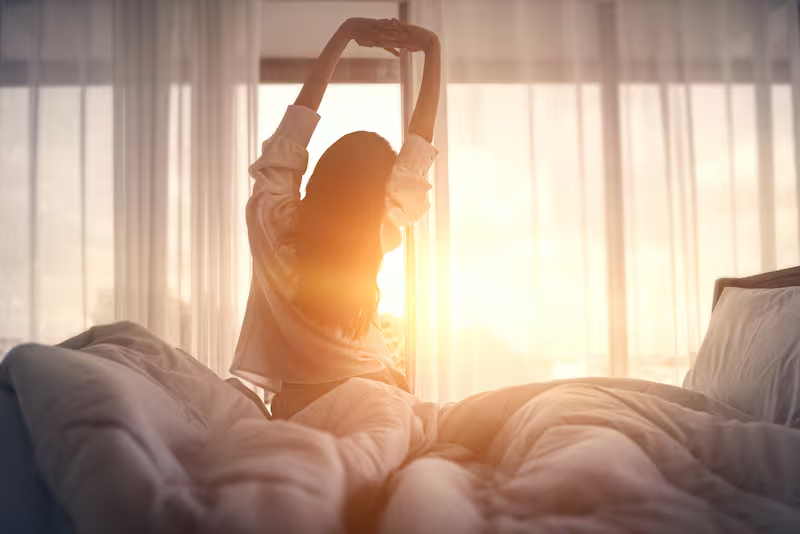
Many social media feeds at 5 a.m. showcase a range of morning activities: from sunrise workouts to gratitude journals. Influential figures like Tim Cook, Richard Branson, and Jennifer Aniston are often highlighted as examples of the benefits of waking early. The underlying message is clear: wake earlier to achieve greater success. Yet, scientific understanding of human biology presents a more nuanced perspective on this popular trend.
Chronotypes and Their Impact on Productivity
Every individual has a unique internal body clock known as a chronotype, which determines when they feel most alert and productive. This internal clock is not merely a habit; it is significantly influenced by genetics. Research indicates that sleep timing is partly inherited. Consequently, some people naturally function better in the early morning, while others find their peak performance later in the day.
Chronotypes also evolve over a person’s lifetime. Adolescents and young adults typically prefer staying up late, a pattern that often clashes with early school start times. As individuals age, their internal clocks tend to shift earlier. This shift explains why many older adults wake up at dawn without needing an alarm.
Humans generally fall into one of three categories based on their chronotype: morning types, or “larks,” who feel energized soon after waking; evening types, or “owls,” who experience peak focus and creativity later in the day; and intermediate types, who exist between these two extremes.
Understanding the Consequences of Sleep Disruption
Forcing oneself into a 5 a.m. routine when one’s natural biology prefers a different schedule can have negative consequences. Chronic sleep deprivation is associated with impaired memory, emotional regulation, and decision-making abilities. Over time, this can lead to increased stress levels and disrupt metabolic health.
Productivity is not merely about the number of hours spent awake; it is also about the quality of those hours. Research suggests that creativity peaks at different times depending on chronotype. Evening types may generate more original ideas at night, while morning types excel in tasks requiring structured analytical thinking earlier in the day.
The true key to optimal performance lies in alignment. When work schedules, sleep patterns, and personal energy levels are in sync, individuals often report higher levels of focus, resilience, and motivation. Success is not limited to those who rise with the sun; it is accessible to anyone who understands their biological rhythm, prioritizes adequate sleep, and designs routines that complement their natural tendencies.
Ultimately, the narrative that equates early rising with success overlooks the complexity of human biology. Recognizing and respecting individual differences in chronotypes can lead to more effective routines that support personal well-being and productivity.





New $25 Million Funding Boosts Hospital Capacity Ahead of Winter

Discover Sleep Space’s Affordable Bach Bed Packages Today

Jury Dismissed in Sexual Assault Trial Over Misguided Questions

Wellington’s New Gallery Unveils Community-Driven Art Exhibition

All Whites Face Challenges as Injuries Strike Before World Cup

Heroic Bystander Rescues Swimmers from Dangerous Surf in Napier

Nina Oyama Returns to Crime Comedy in Deadloch Season 2

China Southern Airlines Offers Reliable Journey from Auckland to Vietnam

Nina Oyama Returns to Deadloch for Anticipated Season 2

Community Mourns Teens Lost in Mount Maunganui Landslide

Tributes Pour In for Lachlan Rofe, Reality Star, Dead at 47

Private Funeral Held for Dean Field and His Three Children

Funeral Planned for Field Siblings After Tragic House Fire

Netball New Zealand Stands Down Dame Noeline Taurua for Series

Julian Dennison Ties the Knot with Christian Baledrokadroka in New Zealand

New Research Reveals Simple Path to Enhanced Happiness

New ‘Maverick’ Chaser Joins Beat the Chasers Season Finale

Maia Wilson Faces Backlash Following Taurua’s Suspension
-
 Top Stories5 months ago
Community Mourns Teens Lost in Mount Maunganui Landslide
-
 Entertainment10 months ago
Tributes Pour In for Lachlan Rofe, Reality Star, Dead at 47
-
 World7 months ago
Private Funeral Held for Dean Field and His Three Children
-
 Top Stories8 months ago
Funeral Planned for Field Siblings After Tragic House Fire
-
 Sports10 months ago
Netball New Zealand Stands Down Dame Noeline Taurua for Series
-
 Entertainment6 months ago
Julian Dennison Ties the Knot with Christian Baledrokadroka in New Zealand
-
 Science8 months ago
New Research Reveals Simple Path to Enhanced Happiness
-
 Entertainment9 months ago
New ‘Maverick’ Chaser Joins Beat the Chasers Season Finale
-
 Lifestyle9 months ago
Maia Wilson Faces Backlash Following Taurua’s Suspension
-

 Sports8 months ago
All Blacks Star Damian McKenzie and Partner Announce Baby News
-
 Sports10 months ago
Silver Ferns Legend Laura Langman Criticizes Team’s Attitude
-

 Sports8 months ago
Eli Katoa Rushed to Hospital After Sideline Incident During Match