
Health
Protecting Your Health Data: The Rising Threat of Scams

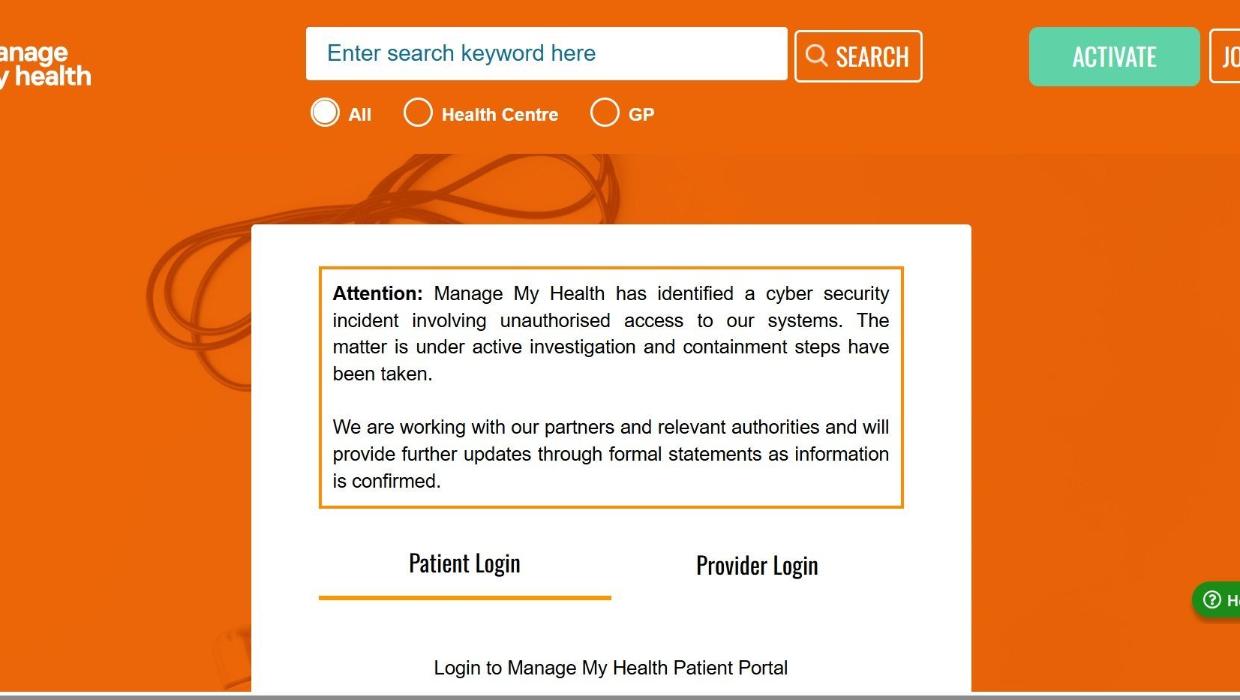
Health data breaches may seem trivial, but the implications can be serious. According to technology specialist Pat Pilcher, compromised health information can lead to sophisticated scams that exploit personal details for financial gain. When systems like Manage My Health are hacked, individuals risk having their medical history and sensitive information exposed. This situation not only endangers privacy, but also places victims at risk of fraud.
Understanding the Risks of Data Breaches
Many people may undervalue their health information, assuming that details about conditions such as bunions or kidney stones are harmless. However, Pilcher warns that this perspective is misguided. Stolen data is often sold on the dark web, where it can be used by unscrupulous individuals looking to exploit vulnerabilities.
Without encryption, personal data—including credit card details, phone numbers, and medical issues—can be easily accessed and misused. Encryption serves as a protective barrier, making it difficult for hackers to interpret the information without proper access. Unfortunately, many consumers do not know whether the organizations they share data with use adequate encryption.
In an era where cyberattacks are increasingly common, reports indicate that only one in ten breaches make headlines. Hackers continuously scan for weaknesses in computer systems, and when they find one, the follow-up attacks can be highly sophisticated. For instance, scammers may spoof phone numbers to appear as if they are calling from legitimate organizations, including banks or health services.
How to Respond to Potential Scams
Scammers often target the elderly, who may be less familiar with technology and more susceptible to pressure tactics. They may create a sense of urgency, claiming that accounts will be closed unless immediate action is taken. Pilcher advises that individuals should remain skeptical, even if the caller seems credible.
“If they won’t give you a number, say to them, ‘OK, can you call me back in an hour’s time?’”
This precaution allows individuals to verify the legitimacy of the call with their bank or healthcare provider. A recent case in Waikato highlighted the danger, where a man was deceived by a caller who mimicked his bank’s official voice, claiming his account had been compromised.
To combat these risks, various tools are available. Websites like Snopes serve as valuable resources for verifying information and distinguishing myths from reality. For example, users can check dubious claims, such as sensational health stories, to avoid falling victim to scams.
Many mobile phones come equipped with features designed to block spam calls. For instance, Apple’s iPhone offers a “Silence Unknown Callers” option, while Android devices include Google Call Screen, which answers potentially suspicious calls and provides a live transcript of the conversation. Additional applications like Hiya and Truecaller can further enhance protection.
Despite the growing number of tools designed to prevent scams, the human element remains a vulnerability. Pilcher emphasizes the importance of taking a moment to breathe and reassess the situation when faced with high-pressure scenarios. “You’re in the moment, with adrenaline flying around your system. You might forget to question the legitimacy of the call,” he notes.
It is crucial for individuals to understand that they are not alone in facing these challenges. Many victims feel embarrassed about being scammed and choose not to report their experiences, which contributes to the ongoing prevalence of these fraudulent activities. Once personal data is compromised, the potential for exploitation increases, making it essential for individuals to stay informed and cautious.
Ultimately, safeguarding personal health information is a shared responsibility. By being aware of the threats and following best practices for data security, individuals can protect themselves from the growing tide of cybercrime.








Daily Multivitamins May Slow Biological Ageing, Research Finds

Formula 1 Drivers Depart Australia Quickly to Protect Earnings

New Zealand Government Maintains Ban on Live Animal Exports

Former Black Cap Luke Woodcock Faces Terminal Cancer Diagnosis

Brookfield Asset Management Targets $250 Million Hotel Acquisition

Split Enz Announces Auckland Concerts, Fans Eager for More

Waihī Beach Medical Centre Proposal Withdrawn Amid Community Pushback

Assessing the Value of Seven-Seater SUVs for Families

New Zealand Faces Responsibility for Future Pandemic Preparedness

Community Mourns Teens Lost in Mount Maunganui Landslide

Tributes Pour In for Lachlan Rofe, Reality Star, Dead at 47

Private Funeral Held for Dean Field and His Three Children

Funeral Planned for Field Siblings After Tragic House Fire

Netball New Zealand Stands Down Dame Noeline Taurua for Series

Julian Dennison Ties the Knot with Christian Baledrokadroka in New Zealand

New ‘Maverick’ Chaser Joins Beat the Chasers Season Finale

New Research Reveals Simple Path to Enhanced Happiness

Silver Ferns Legend Laura Langman Criticizes Team’s Attitude
-
 Top Stories2 months ago
Community Mourns Teens Lost in Mount Maunganui Landslide
-
 Entertainment6 months ago
Tributes Pour In for Lachlan Rofe, Reality Star, Dead at 47
-
 World4 months ago
Private Funeral Held for Dean Field and His Three Children
-
 Top Stories4 months ago
Funeral Planned for Field Siblings After Tragic House Fire
-
 Sports6 months ago
Netball New Zealand Stands Down Dame Noeline Taurua for Series
-
 Entertainment2 months ago
Julian Dennison Ties the Knot with Christian Baledrokadroka in New Zealand
-
 Entertainment5 months ago
New ‘Maverick’ Chaser Joins Beat the Chasers Season Finale
-
 Science5 months ago
New Research Reveals Simple Path to Enhanced Happiness
-
 Sports6 months ago
Silver Ferns Legend Laura Langman Criticizes Team’s Attitude
-

 Sports4 months ago
Eli Katoa Rushed to Hospital After Sideline Incident During Match
-

 Sports5 months ago
All Blacks Star Damian McKenzie and Partner Announce Baby News
-

 Sports3 months ago
Nathan Williamson’s Condition Improves Following Race Fall