
Business
Fuel Prices Surge: $4 a Litre Now on the Horizon

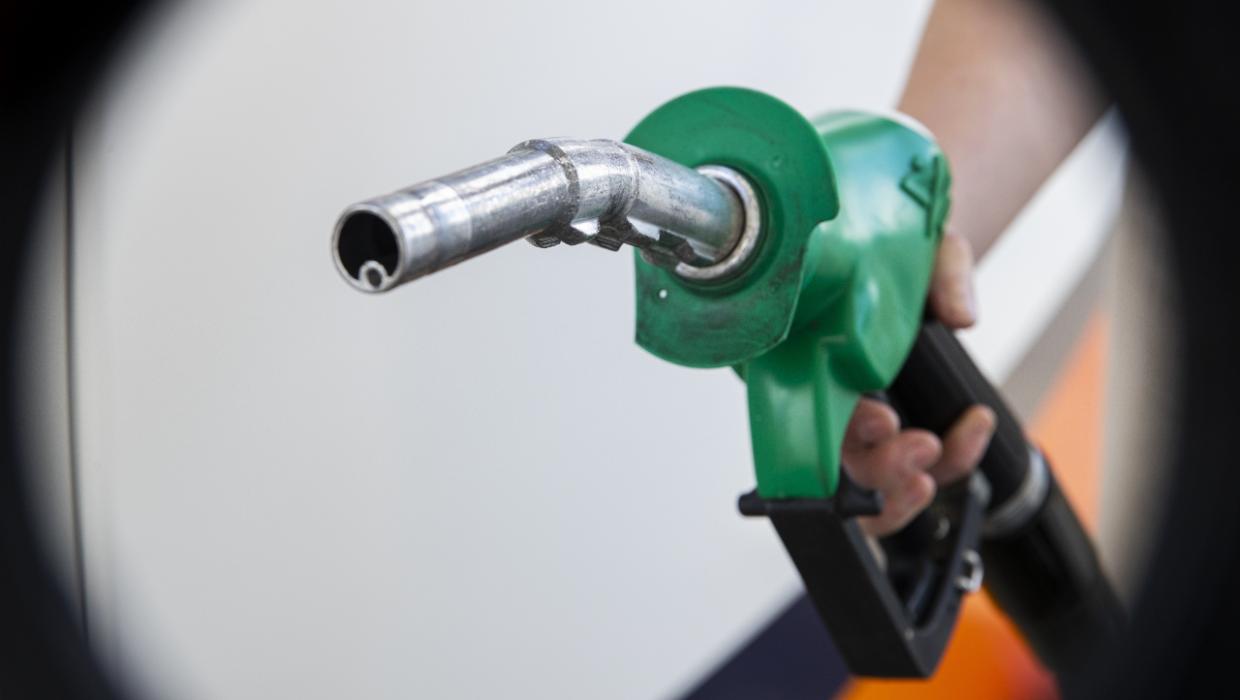
Motorists worldwide may soon face a significant increase in fuel prices, with projections suggesting that the cost of petrol could rise to as much as $4 a litre for 91 octane fuel. This surge is largely attributed to escalating tensions in Iraq and a slowdown in oil production. According to Brad Olsen, chief executive of Infometrics, oil prices are expected to exceed the current benchmark of US$107 per barrel, potentially pushing petrol prices above $3.25 a litre.
Olsen described the current situation as the worst spike in fuel prices since the Russian invasion of Ukraine. He noted that during that period, the Labour government implemented costly measures, including temporarily reducing fuel excise duty, to alleviate the cost of living crisis. These initiatives helped mitigate some of the immediate financial burdens on households and the economy.
“The impact we are bracing for is significant, not just on fuel bills but also on inflation overall,” Olsen remarked. He pointed out that, while petrol remains an essential expense for many households, its proportion of the Consumer Price Index has declined over time. This shift is partly due to the increasing number of electric and hybrid vehicles on the roads, as well as improvements in fuel efficiency among newer vehicles.
Despite this positive trend, the rising cost of transporting goods is expected to affect retail prices. Fuel suppliers have raised diesel prices by 44 cents a litre, further straining consumer budgets.
Terry Collins, principal policy adviser at the Automobile Association (AA), expressed his astonishment at the rapid increase in oil prices, which surged by 17% overnight and 25% since the previous Friday. “I’ve never seen a jump like it,” Collins stated. He predicts that oil prices will soon reach about US$109 a barrel and could climb to US$110, marking the highest levels since March 2022.
For every dollar increase in the price of oil, petrol costs are expected to rise by one cent. Collins noted that in the past week, petrol prices have already increased by 28 cents. If oil prices were to rise to US$150 a barrel, consumers could see an additional 50 cents added to their petrol costs, edging closer to the $4 per litre mark for 91 octane fuel.
The current situation in the Gulf is more critical than during the Russian-Ukrainian conflict, as physical supply restrictions are impacting oil availability. The closure of the vital Strait of Hormuz has prevented tanker ships from passing through, which is crucial for transporting oil from production sites. With storage facilities already at capacity, further price increases seem inevitable.
In financial markets, the S&P/NZX 50 Index fell sharply, dropping 3.25% to 13,080.26 points in late afternoon trading. The index opened at 13,519.35 but faced immediate selling pressure due to the escalating conflict in the Middle East, which has driven global crude oil prices past US$100 a barrel and raised inflation concerns.
As the situation develops, consumers and businesses alike are advised to prepare for potential challenges as fuel prices continue to rise, significantly impacting household budgets and the broader economy.













New $25 Million Funding Boosts Hospital Capacity Ahead of Winter

Discover Sleep Space’s Affordable Bach Bed Packages Today

Jury Dismissed in Sexual Assault Trial Over Misguided Questions

Wellington’s New Gallery Unveils Community-Driven Art Exhibition

All Whites Face Challenges as Injuries Strike Before World Cup

Heroic Bystander Rescues Swimmers from Dangerous Surf in Napier

Nina Oyama Returns to Crime Comedy in Deadloch Season 2

China Southern Airlines Offers Reliable Journey from Auckland to Vietnam

Nina Oyama Returns to Deadloch for Anticipated Season 2

Community Mourns Teens Lost in Mount Maunganui Landslide

Tributes Pour In for Lachlan Rofe, Reality Star, Dead at 47

Private Funeral Held for Dean Field and His Three Children

Funeral Planned for Field Siblings After Tragic House Fire

Netball New Zealand Stands Down Dame Noeline Taurua for Series

Al Waha Motors Opens Flagship Jetour Showroom in Al Khor

Julian Dennison Ties the Knot with Christian Baledrokadroka in New Zealand

Auckland’s Average Rent Surpasses $700 for Three-Bedroom Homes

New Research Reveals Simple Path to Enhanced Happiness
-
 Top Stories7 months ago
Community Mourns Teens Lost in Mount Maunganui Landslide
-
 Entertainment11 months ago
Tributes Pour In for Lachlan Rofe, Reality Star, Dead at 47
-
 World9 months ago
Private Funeral Held for Dean Field and His Three Children
-
 Top Stories9 months ago
Funeral Planned for Field Siblings After Tragic House Fire
-
 Sports11 months ago
Netball New Zealand Stands Down Dame Noeline Taurua for Series
-
 Health7 months ago
Al Waha Motors Opens Flagship Jetour Showroom in Al Khor
-
 Entertainment7 months ago
Julian Dennison Ties the Knot with Christian Baledrokadroka in New Zealand
-
 Business7 months ago
Auckland’s Average Rent Surpasses $700 for Three-Bedroom Homes
-
 Science10 months ago
New Research Reveals Simple Path to Enhanced Happiness
-

 Entertainment10 months ago
New ‘Maverick’ Chaser Joins Beat the Chasers Season Finale
-

 Lifestyle10 months ago
Maia Wilson Faces Backlash Following Taurua’s Suspension
-

 Sports10 months ago
All Blacks Star Damian McKenzie and Partner Announce Baby News