
Politics
New Zealand’s Covid Inquiry Report Sparks Political Debate

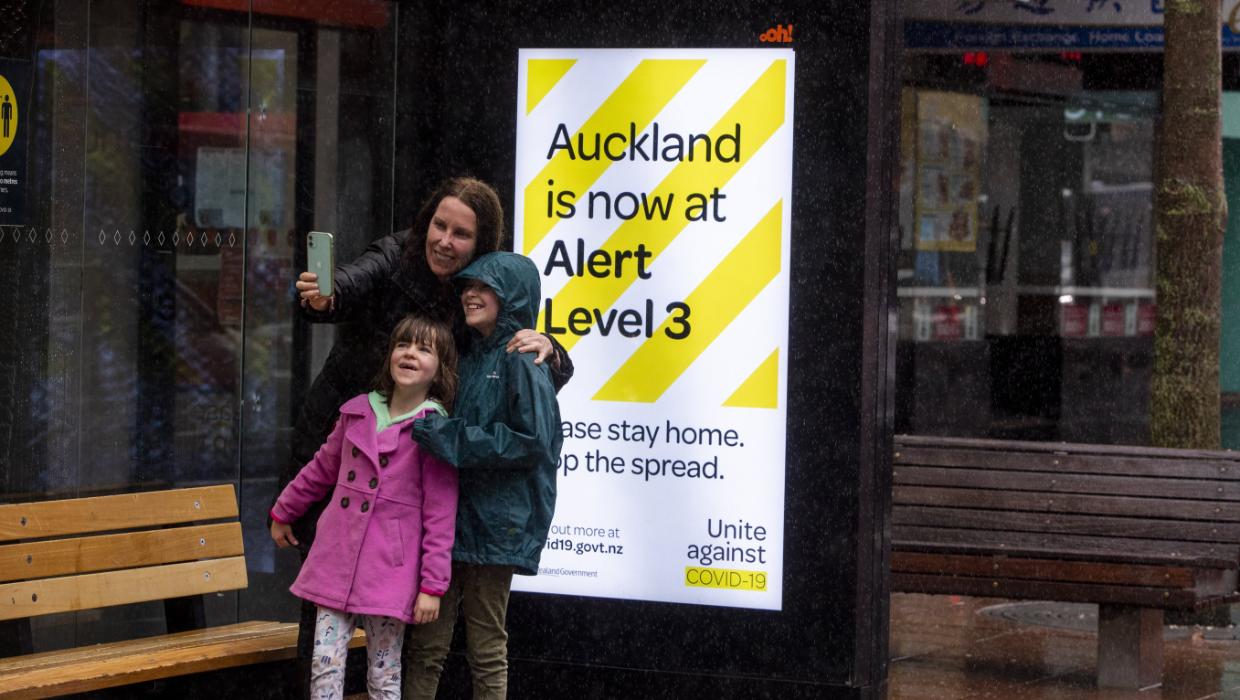
The long-awaited Covid-19 inquiry report for New Zealand has been released, drawing mixed reactions as the country moves forward from the pandemic. While the initial findings appeared promising, the latter half of the report has garnered criticism for failing to address key issues that have been discussed for years.
Chris Hipkins, the former Prime Minister, faced scrutiny as the report was seen as a political tool for the current government to challenge the Labour Party’s decisions during the lockdowns. Although it may not provide the substantial political leverage some hoped for, the inquiry’s findings will likely shape discussions in the future.
The report outlines the strengths and weaknesses of the nation’s pandemic response, indicating that while the initial handling of Covid-19 was effective, by 2021, the approach became overly reliant on government assistance and extended restrictions. The consequences of these measures are still evident today, affecting various sectors of society.
New Zealand’s response to Covid-19 was marked by significant government intervention. However, the report highlights that non-Covid-related issues were often overlooked. Children faced prolonged disruptions to their education, with many kept out of classrooms for extended periods. Additionally, individuals were unable to attend funerals, and non-Covid illnesses went untreated.
The report also criticizes the financial response, noting that funds were allocated to projects unrelated to the pandemic and were not delivered promptly. According to Ricardo Menéndez March of the Green Party, the reliance on unconventional monetary policies resulted in one of the largest wealth transfers in New Zealand’s history, adversely affecting low-income individuals the most.
David Seymour provided a pointed analysis during parliamentary discussions, emphasizing how the government’s singular focus on pandemic response ultimately led to its downfall. This sentiment resonates as many citizens reflect on their experiences during the pandemic, often feeling conflicted about their actions and decisions made in the heat of the moment.
The report also raised concerns regarding vaccine guidance for individuals aged 12 to 17, revealing that critical advice on double vaccination did not reach ministers effectively. This issue is likely to prompt further examination and discussion among lawmakers, including questions raised by Winston Peters following the report’s release.
As New Zealanders continue to grapple with the lasting impacts of the pandemic, many seem eager to move on. Public sentiment around the inquiry reflects a desire to forget the chaos and uncertainty that characterized the pandemic years.
While the report will serve as a historical reference for future governments, its immediate political implications appear limited. With the political landscape shifting, the inquiry’s findings may not yield the significant impact some anticipated.
In summary, the Covid-19 inquiry report offers valuable insights into New Zealand’s pandemic response, highlighting both achievements and failures while setting the stage for future discussions. As the nation continues to navigate its post-pandemic reality, the lessons learned will be crucial for addressing similar challenges in the years to come.








New $25 Million Funding Boosts Hospital Capacity Ahead of Winter

Discover Sleep Space’s Affordable Bach Bed Packages Today

Jury Dismissed in Sexual Assault Trial Over Misguided Questions

Wellington’s New Gallery Unveils Community-Driven Art Exhibition

All Whites Face Challenges as Injuries Strike Before World Cup

Heroic Bystander Rescues Swimmers from Dangerous Surf in Napier

Nina Oyama Returns to Crime Comedy in Deadloch Season 2

China Southern Airlines Offers Reliable Journey from Auckland to Vietnam

Nina Oyama Returns to Deadloch for Anticipated Season 2

Community Mourns Teens Lost in Mount Maunganui Landslide

Tributes Pour In for Lachlan Rofe, Reality Star, Dead at 47

Private Funeral Held for Dean Field and His Three Children

Funeral Planned for Field Siblings After Tragic House Fire

Netball New Zealand Stands Down Dame Noeline Taurua for Series

Al Waha Motors Opens Flagship Jetour Showroom in Al Khor

Julian Dennison Ties the Knot with Christian Baledrokadroka in New Zealand

Auckland’s Average Rent Surpasses $700 for Three-Bedroom Homes

New Research Reveals Simple Path to Enhanced Happiness
-
 Top Stories7 months ago
Community Mourns Teens Lost in Mount Maunganui Landslide
-
 Entertainment11 months ago
Tributes Pour In for Lachlan Rofe, Reality Star, Dead at 47
-
 World9 months ago
Private Funeral Held for Dean Field and His Three Children
-
 Top Stories9 months ago
Funeral Planned for Field Siblings After Tragic House Fire
-
 Sports11 months ago
Netball New Zealand Stands Down Dame Noeline Taurua for Series
-
 Health7 months ago
Al Waha Motors Opens Flagship Jetour Showroom in Al Khor
-
 Entertainment7 months ago
Julian Dennison Ties the Knot with Christian Baledrokadroka in New Zealand
-
 Business7 months ago
Auckland’s Average Rent Surpasses $700 for Three-Bedroom Homes
-
 Science10 months ago
New Research Reveals Simple Path to Enhanced Happiness
-

 Entertainment10 months ago
New ‘Maverick’ Chaser Joins Beat the Chasers Season Finale
-

 Lifestyle10 months ago
Maia Wilson Faces Backlash Following Taurua’s Suspension
-

 Sports10 months ago
All Blacks Star Damian McKenzie and Partner Announce Baby News