
Politics
Customer Abuse Rising in Hospitality Industry, Survey Reveals

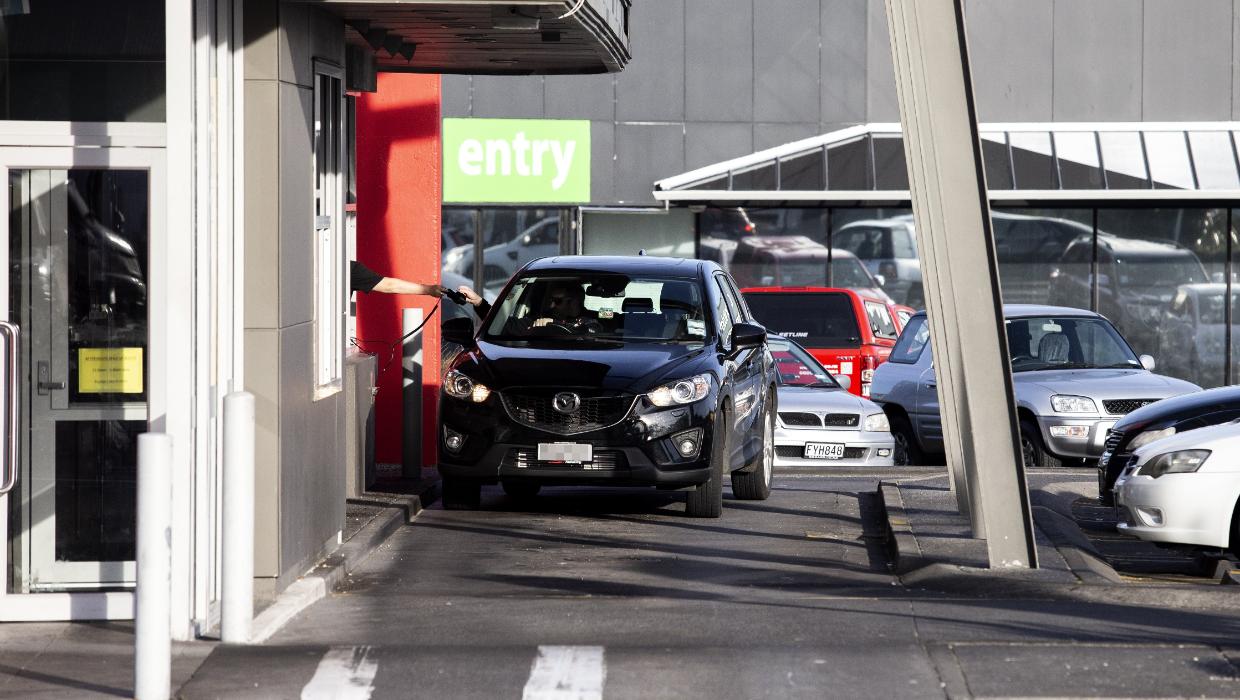
Customer abuse and bullying are increasingly becoming part of the work experience for hospitality staff in New Zealand. A recent survey by the Ministry of Business, Innovation and Employment (MBIE) revealed that 35% of hospitality workers have faced bullying or harassment on the job, a significant rise from just over 20% three years ago. This alarming trend highlights the challenges faced by employees as they navigate a high-pressure environment marked by understaffing and customer frustrations.
The survey gathered responses from thousands of workers across New Zealand, with customers identified as the primary offenders in approximately 60% of the reported incidents. Many employees are feeling the mental toll of this abuse; around 40% of respondents reported experiencing feelings of hopelessness and intrusive thoughts following difficult customer interactions.
Gerard Hehir, assistant secretary of the Unite Union, which represents staff at major fast-food chains, emphasized that customer abuse has escalated into a critical issue within the hospitality sector. He stated, “It’s been on a steady increase for the past four or five years. That’s what we’re hearing consistently across the board, particularly around fast food.”
The roots of this problem can be traced to chronic understaffing and ineffective rostering systems. Hehir explained that when customers encounter long wait times, particularly in drive-throughs, their frustration often results in verbal abuse directed at staff. “Persistent understaffing is a major cause of customer delays, and that’s a major cause of abuse,” he added.
The high turnover rate in the hospitality industry means that inexperienced staff frequently fill frontline positions, leading to mistakes that further provoke customer anger. Hehir noted that many workers now accept verbal abuse as part of their job, which should not be the case. “They don’t have to put up with that,” he said, indicating a need for systemic change in workplace culture.
Some employees have reported anxiety about attending shifts, fearing they will encounter the same abusive customers who harassed their colleagues. Hehir pointed out that larger brands and multi-site franchises often exacerbate the issue, as decision-makers are typically far removed from the frontline experiences of their staff.
To address the rising incidents of abuse, some companies have implemented measures such as installing CCTV in public areas and audio recording at ordering points, especially in drive-throughs. Hehir remarked, “We’ve had people report customers throwing things through the drive-through window, screaming abuse, and you’d think with cameras and number plates they’d be trespassed. Instead, the focus is on clearing the complaint list.”
Retailers are also facing similar challenges, with some supermarket chains providing staff with body cameras to document incidents of customer aggression at checkouts and self-service lanes.
In response to the survey findings, Kristy Phillips, chief executive of Hospitality New Zealand, acknowledged the importance of creating a safe and supportive work environment. She expressed concern about the increase in bullying and harassment, stating, “Too many people in hospitality are experiencing customer abuse. This is disappointing, and an issue we need to keep working hard to address to make sure hospitality remains a career of choice.”
Phillips emphasized the need for shared accountability between customers and staff, stating that “respect and courtesy should be a shared expectation.” This perspective underscores the importance of fostering a culture of mutual respect within the hospitality industry, ensuring that both workers and customers can enjoy positive interactions.
As the hospitality sector continues to grapple with these challenges, it is clear that addressing customer abuse is essential for the well-being of employees and the sustainability of the industry. The rising tide of aggression towards service workers calls for immediate action from both employers and the public to create an environment where hospitality staff can perform their duties without fear of harassment.













Film Club Kicks Off 76th Season with Political Themes and Diverse Cinema

Trump’s Iran Strikes Likely to Drive Up Global Fuel Prices

Film Club Launches 76th Season with Political Themes in Cinema

Dan Carter and Lisa Carrington Reflect on Women Who Inspire Sport

Economic Recovery Fuels Property Market Resilience Amid Challenges

Sophie Henderson Shares Her Reading Journey and Upcoming Play

Cancer Society Opens New Centre in Queenstown for Community Support

Can You Solve Today’s Challenging Word Puzzle in One Minute?

Anthropic Rejects Pentagon Demands, Prioritizes AI Ethics

Community Mourns Teens Lost in Mount Maunganui Landslide

Tributes Pour In for Lachlan Rofe, Reality Star, Dead at 47

Private Funeral Held for Dean Field and His Three Children

Funeral Planned for Field Siblings After Tragic House Fire

Netball New Zealand Stands Down Dame Noeline Taurua for Series

Julian Dennison Ties the Knot with Christian Baledrokadroka in New Zealand

New ‘Maverick’ Chaser Joins Beat the Chasers Season Finale

Silver Ferns Legend Laura Langman Criticizes Team’s Attitude

Eli Katoa Rushed to Hospital After Sideline Incident During Match
-
 Top Stories1 month ago
Community Mourns Teens Lost in Mount Maunganui Landslide
-
 Entertainment6 months ago
Tributes Pour In for Lachlan Rofe, Reality Star, Dead at 47
-
 World3 months ago
Private Funeral Held for Dean Field and His Three Children
-
 Top Stories3 months ago
Funeral Planned for Field Siblings After Tragic House Fire
-
 Sports6 months ago
Netball New Zealand Stands Down Dame Noeline Taurua for Series
-
 Entertainment1 month ago
Julian Dennison Ties the Knot with Christian Baledrokadroka in New Zealand
-
 Entertainment5 months ago
New ‘Maverick’ Chaser Joins Beat the Chasers Season Finale
-
 Sports6 months ago
Silver Ferns Legend Laura Langman Criticizes Team’s Attitude
-
 Sports4 months ago
Eli Katoa Rushed to Hospital After Sideline Incident During Match
-

 Sports4 months ago
All Blacks Star Damian McKenzie and Partner Announce Baby News
-

 Sports3 months ago
Nathan Williamson’s Condition Improves Following Race Fall
-

 Politics5 months ago
Netball NZ Calls for Respect Amid Dame Taurua’s Standoff