
Politics
PM Christopher Luxon Sets Realistic Expectations for Voters

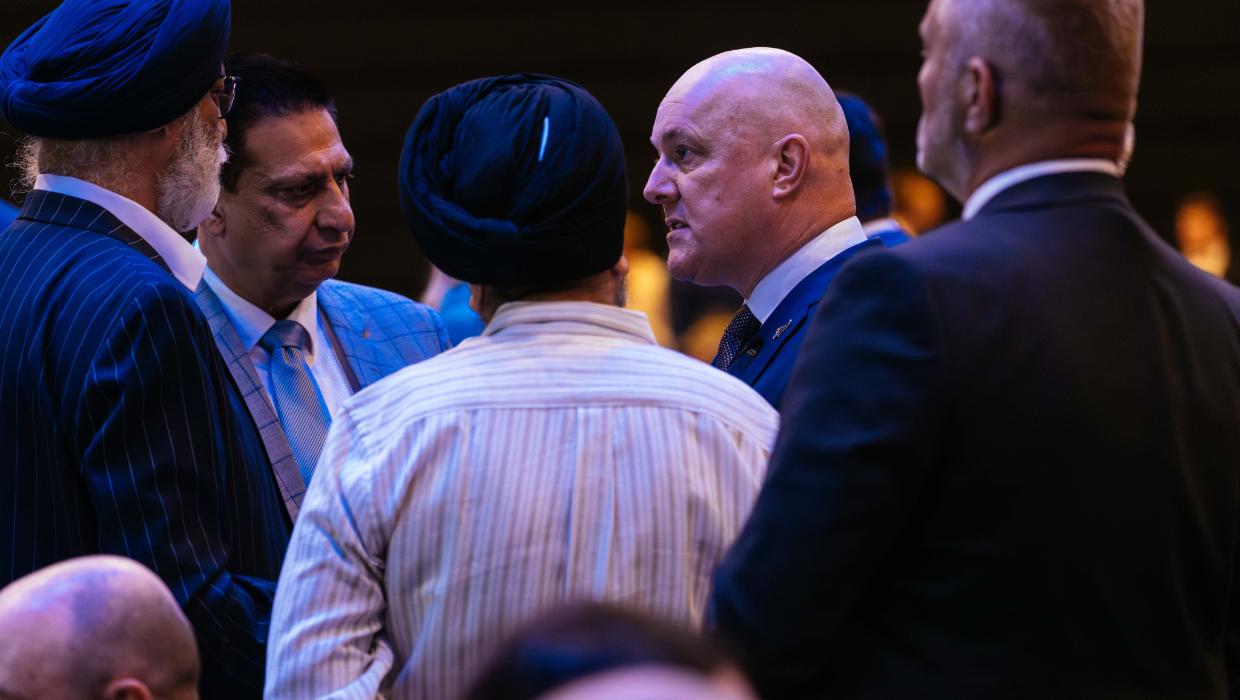
New Zealand Prime Minister Christopher Luxon cautioned voters on March 15, 2024, against expecting significant spending increases or “exciting” policy changes in the upcoming budget. During his address at the newly opened International Convention Centre in Auckland, he acknowledged recent achievements, including the successful negotiation of the India Free Trade Agreement (FTA) and a positive economic outlook. However, he emphasized that the government’s financial situation would not allow for extravagant electoral promises.
Luxon’s speech set a sober tone for the political year, reflecting an understanding of the economic challenges facing the nation. With a nod to the audience of business leaders, he expressed awareness of the difficulties many New Zealanders are feeling in 2025. “The economic recovery hasn’t really been felt on Queen Street, Newmarket, or Lambton Quay,” he stated, recognizing that global uncertainties, particularly regarding tariffs, have impeded growth.
Economic Realities and Political Messaging
In a preemptive strike against the Labour Party, Luxon made it clear that voters should not anticipate major budgetary increases. He pointed out that the next budget would be too constrained for significant spending, reiterating, “extravagant election promises” are off the table. This statement served as a reminder that while the government has made strides, it cannot provide everything voters desire.
The Prime Minister’s message was underscored by his awareness of the international environment affecting New Zealand’s economy. He framed the country’s challenges as a matter of control, stating, “We can’t control the international weather” or the unpredictability of global markets. Instead, he asserted that the government could manage its spending and engage in reform programs that would benefit the nation.
Luxon’s remarks on economic control echo sentiments expressed by past political figures. In 1965, Labour politician John A Lee noted that politicians often have to “deal with what the tides bring in.” This historical perspective highlights a recurring theme in New Zealand politics, where external factors are often cited to justify budgetary constraints.
Policy Focus and Election Strategies
During his address, Luxon highlighted several policy areas under his control, including education reform, changes to the Resource Management Act (RMA), and adjustments to KiwiSaver, proposing to raise the default contribution rate to 6%. These initiatives aim to address pressing issues but may not resonate with voters seeking more dynamic policies.
Former National leader Simon Bridges questioned the attractiveness of the KiwiSaver proposal, suggesting it could be perceived as a “jobs tax” if proposed by Labour. In response to media inquiries about whether these initiatives were compelling enough for an election campaign, Nicola Willis, a member of Luxon’s team, defended the approach. She noted that Labour’s past housing policy, KiwiBuild, was once considered “sexy,” yet ultimately failed to deliver on its promises.
The differing perspectives on what constitutes effective policy highlight a broader truth in politics: the balance between demonstrating control and being held accountable for outcomes. Voters often appreciate strong leadership that suggests an ability to improve their lives, yet they also recognize the limits of government influence.
As the political landscape unfolds, Luxon’s challenge will be to articulate a vision that conveys both the realities of budget constraints and the potential for meaningful change. His ability to navigate this complex dynamic will be critical as New Zealand approaches the next election, where public sentiment and economic conditions will play pivotal roles in shaping voter preferences.













Dan Carter and Lisa Carrington Reflect on Women Who Inspire Sport

Economic Recovery Fuels Property Market Resilience Amid Challenges

Sophie Henderson Shares Her Reading Journey and Upcoming Play

Cancer Society Opens New Centre in Queenstown for Community Support

Can You Solve Today’s Challenging Word Puzzle in One Minute?

Anthropic Rejects Pentagon Demands, Prioritizes AI Ethics

Bioeconomy Science Institute Announces 6% Staff Reduction

Brumbies Snatch Victory from Blues in Thrilling Finish

Lotto Powerball Draws $6 Million Jackpot; Winning Numbers Revealed

Community Mourns Teens Lost in Mount Maunganui Landslide

Tributes Pour In for Lachlan Rofe, Reality Star, Dead at 47

Private Funeral Held for Dean Field and His Three Children

Funeral Planned for Field Siblings After Tragic House Fire

Netball New Zealand Stands Down Dame Noeline Taurua for Series

Julian Dennison Ties the Knot with Christian Baledrokadroka in New Zealand

New ‘Maverick’ Chaser Joins Beat the Chasers Season Finale

Silver Ferns Legend Laura Langman Criticizes Team’s Attitude

Eli Katoa Rushed to Hospital After Sideline Incident During Match
-
 Top Stories1 month ago
Community Mourns Teens Lost in Mount Maunganui Landslide
-
 Entertainment6 months ago
Tributes Pour In for Lachlan Rofe, Reality Star, Dead at 47
-
 World3 months ago
Private Funeral Held for Dean Field and His Three Children
-
 Top Stories3 months ago
Funeral Planned for Field Siblings After Tragic House Fire
-
 Sports6 months ago
Netball New Zealand Stands Down Dame Noeline Taurua for Series
-
 Entertainment1 month ago
Julian Dennison Ties the Knot with Christian Baledrokadroka in New Zealand
-
 Entertainment5 months ago
New ‘Maverick’ Chaser Joins Beat the Chasers Season Finale
-
 Sports6 months ago
Silver Ferns Legend Laura Langman Criticizes Team’s Attitude
-
 Sports4 months ago
Eli Katoa Rushed to Hospital After Sideline Incident During Match
-

 Sports4 months ago
All Blacks Star Damian McKenzie and Partner Announce Baby News
-

 Sports3 months ago
Nathan Williamson’s Condition Improves Following Race Fall
-

 Politics5 months ago
Netball NZ Calls for Respect Amid Dame Taurua’s Standoff