
Politics
Underage Alcohol Sales Persist Despite Regulatory Failures

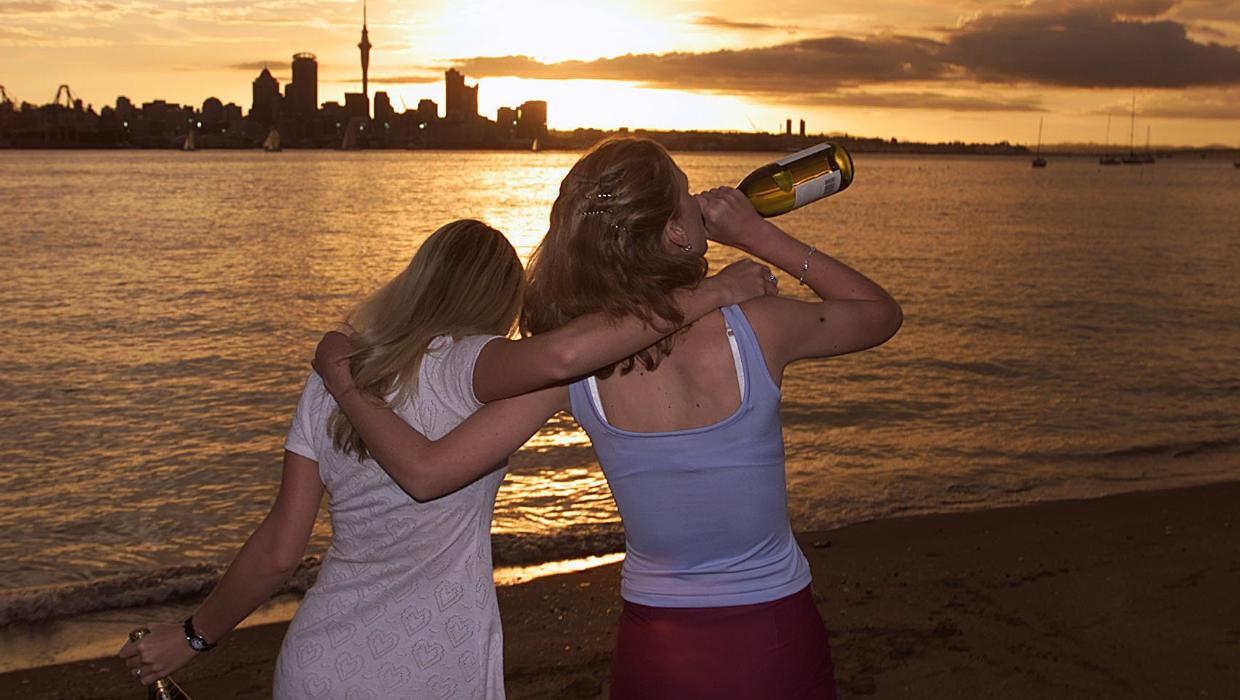
The sale of alcohol to minors remains a pressing issue in New Zealand, as recent data reveals significant failures in enforcement efforts. A report obtained under the Official Information Act highlights that, despite strict regulations, many vendors are willing to sell alcohol to underage customers. This situation poses severe risks, especially following the tragic death of 16-year-old Silas Sims, who died in a crash after consuming alcohol bought from multiple retailers.
Since March 2022, there have been **126 controlled purchasing operations** conducted nationwide, involving minors attempting to buy alcohol. Alarmingly, in only **35 of these operations** did the underage individuals fail to find a seller willing to serve them. In one particularly troubling operation in South Waikato in February 2022, **eight of eleven** tested premises sold alcohol to the minors. Such statistics raise questions about the effectiveness of current regulations designed to prevent underage sales.
The failure rate for these sting operations across the country stands at **8.5%**, with notable variations among regions. For instance, Wellington recorded a higher failure rate of **11.9%**, while Christchurch had a relatively lower rate of **3.6%**. Despite a slight improvement in sting results in 2024, the overall trend remains concerning, particularly in South Waikato, where **eight of thirteen** sellers failed to check the age of the buyers.
The Sims family, who lost their son Silas due to the consequences of underage drinking, has been instrumental in bringing this issue to light. They utilized the Official Information Act to obtain data on alcohol sales to minors and expressed dismay at the limited number of sting operations conducted. As Ben Sims noted, in 2022, only **240 controlled purchasing operations** were carried out across **14,000 licensed businesses**, raising concerns about the enforcement of existing laws.
The legal penalties for selling alcohol to minors are considerably low. The maximum fine for individual sellers is **$2,000**, while businesses face fines of up to **$10,000** for allowing intoxication on their premises. In contrast, the penalties for selling vapes to minors can reach **$100,000** for businesses and **$10,000** for individuals. Andrew Galloway from Alcohol Healthwatch argues that the penalties for alcohol sales to minors must be significantly increased to serve as an effective deterrent.
The current regulatory framework, established under the **Sale and Supply of Alcohol Act**, has not been updated since **2012**, and legislative focus has primarily been on increasing alcohol availability rather than enhancing control measures. The Sims advocate for more stringent regulations, including preventing banks from processing payments made by minors at liquor retailers. In Australia, some banks already enforce similar restrictions, yet no New Zealand bank currently does.
As the Sims prepare for hearings at the Alcohol and Regulatory Licensing Authority (ARLA), they face restrictions on speaking about the impact of their son’s death. Galloway notes that this approach is inconsistent with victim rights in criminal cases. The Sims intend to submit a letter highlighting that minors across the country continue to be served alcohol, emphasizing the need for a system that holds sellers accountable.
Their concerns extend to the broader implications of alcohol consumption among minors, particularly regarding the risks associated with mixing driving and drinking. Sarah Sims has expressed that had they lived in an urban area, Silas might have used alternative transportation options, such as ride-sharing services, which could have prevented the tragedy.
The failure of liquor vendors to consistently check IDs raises significant concerns, especially in semi-rural areas where such checks could easily be implemented. The Sims highlight that reputable retailers should adopt stringent ID verification processes akin to those used by major supermarkets.
As public discussions about alcohol regulation continue, the Sims remain committed to advocating for change. Their experience underscores the urgent need for systemic reform in the way alcohol sales to minors are regulated and enforced in New Zealand.













Brumbies Triumph Over Blues with Late Surge in Canberra

Two Lotto Players Win $500,000 Each as Powerball Reaches $8 Million

Jason Pine Delivers Weekend Sports Highlights on February 28

Auckland Poet Serie Barford Faces Final Chapter in Cancer Battle

Challenge Your Vocabulary: Can You Solve Today’s Hard Word?

Smoke Rises Over Tehran After Israel-US Military Strike

Bioeconomy Science Institute Cuts Staff by 6% Within Year of Launch

Fijian Drua Triumph Over Hurricanes in Rainy Super Rugby Clash

Thieves Target Italian Tourists’ Campervan in Auckland Heist

Community Mourns Teens Lost in Mount Maunganui Landslide

Tributes Pour In for Lachlan Rofe, Reality Star, Dead at 47

Private Funeral Held for Dean Field and His Three Children

Funeral Planned for Field Siblings After Tragic House Fire

Netball New Zealand Stands Down Dame Noeline Taurua for Series

Julian Dennison Ties the Knot with Christian Baledrokadroka in New Zealand

New ‘Maverick’ Chaser Joins Beat the Chasers Season Finale

Silver Ferns Legend Laura Langman Criticizes Team’s Attitude

Eli Katoa Rushed to Hospital After Sideline Incident During Match
-
 Top Stories1 month ago
Community Mourns Teens Lost in Mount Maunganui Landslide
-
 Entertainment6 months ago
Tributes Pour In for Lachlan Rofe, Reality Star, Dead at 47
-
 World3 months ago
Private Funeral Held for Dean Field and His Three Children
-
 Top Stories3 months ago
Funeral Planned for Field Siblings After Tragic House Fire
-
 Sports6 months ago
Netball New Zealand Stands Down Dame Noeline Taurua for Series
-
 Entertainment1 month ago
Julian Dennison Ties the Knot with Christian Baledrokadroka in New Zealand
-
 Entertainment5 months ago
New ‘Maverick’ Chaser Joins Beat the Chasers Season Finale
-
 Sports6 months ago
Silver Ferns Legend Laura Langman Criticizes Team’s Attitude
-
 Sports4 months ago
Eli Katoa Rushed to Hospital After Sideline Incident During Match
-

 Sports4 months ago
All Blacks Star Damian McKenzie and Partner Announce Baby News
-

 Sports3 months ago
Nathan Williamson’s Condition Improves Following Race Fall
-

 Politics5 months ago
Netball NZ Calls for Respect Amid Dame Taurua’s Standoff