
Science
Scientists Uncover DNA Clues That Could Reveal Lost Da Vinci Artworks

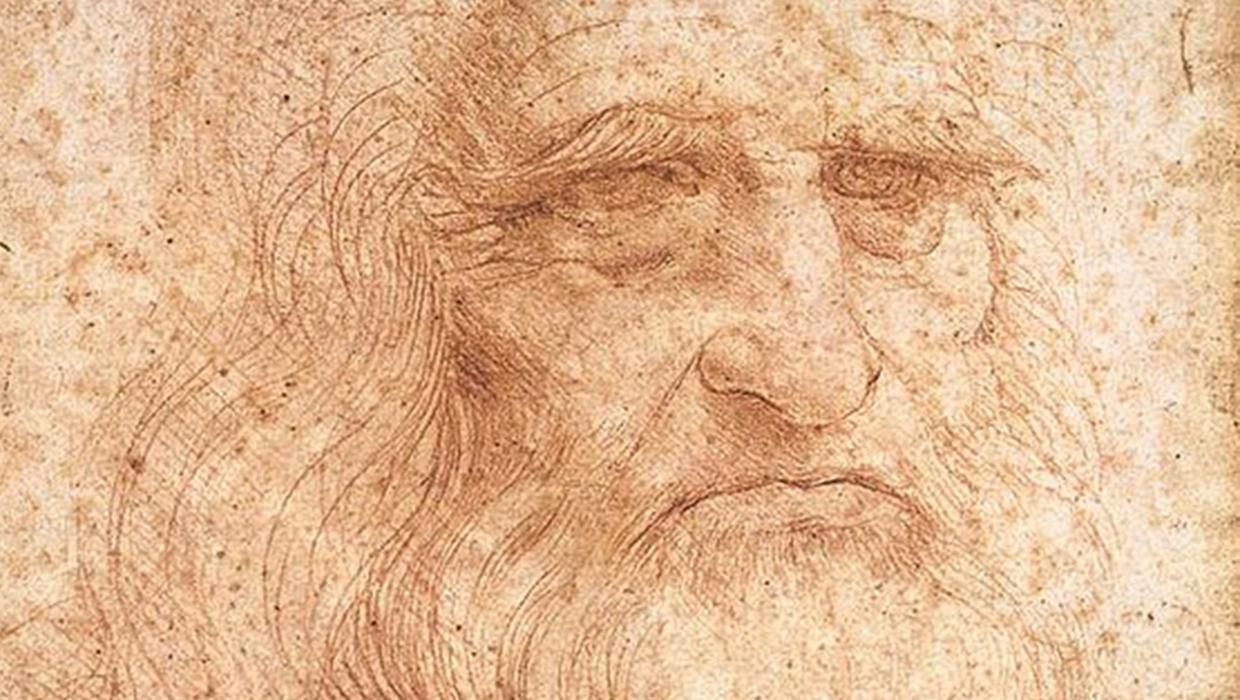
A significant discovery in the quest to analyze the DNA of renowned artist Leonardo da Vinci may lead to the identification of lost artworks attributed to the Renaissance master. Researchers from the University of Florence have successfully extracted genetic material from a series of historical artifacts believed to be linked to da Vinci. This breakthrough could not only enhance our understanding of his genius but also provide insights into his creative process.
The research team undertook a meticulous examination of various items associated with da Vinci, including hair strands and other biological samples. By employing advanced genetic sequencing techniques, scientists aim to trace da Vinci’s lineage and potentially connect him to artworks that have remained undiscovered for centuries.
Implications for Art History
This revelation has profound implications for art historians and enthusiasts alike. The possibility of unveiling lost paintings could reshape the narrative surrounding da Vinci’s oeuvre. Previous studies suggested that numerous artworks attributed to him might have been misattributed or are simply missing. With the advent of genetic analysis, a new avenue for authentication and discovery opens.
According to the lead researcher, Dr. Marco Rossi, “This is a pivotal moment for understanding Leonardo not just as an artist but as an individual whose life and heritage are intrinsically linked to his work.” The ongoing research could also provide clarity on the influence of his familial relationships and social environment on his artistic output.
The project, which commenced in early 2023, aims to build a comprehensive genetic profile of da Vinci. Researchers hope to compare this profile with existing artworks to determine authenticity and explore possible connections to previously unidentified pieces.
The Broader Impact on Cultural Heritage
The implications extend beyond the world of art. This pioneering approach could set a precedent for future investigations into other historical figures and their contributions to culture. The ability to authenticate artworks through DNA analysis could revolutionize not only art history but also conservation efforts, aiding museums and collectors in validating their collections.
In Italy, where da Vinci is celebrated as a national treasure, this discovery is particularly poignant. It reinforces the importance of interdisciplinary collaboration between scientists and art historians. As the project progresses, the team anticipates sharing their findings with the broader community, hoping to inspire further research and exploration in the field.
The fascination with da Vinci, whose works include masterpieces like the Mona Lisa and The Last Supper, continues to captivate millions worldwide. As scholars and enthusiasts await the outcomes of this groundbreaking research, the prospects of unveiling lost artworks and deepening our understanding of this iconic figure remain an exciting frontier.
With the potential to blend art, science, and history in unprecedented ways, the investigation promises to transform our appreciation of Leonardo da Vinci and his enduring legacy.













Wellington Firebirds Suffer 11th Straight Home Loss in Super Smash

Aging Population Forces Global Reassessment of Retirement Age

Dolly Parton to Celebrate 80th Birthday Virtually from Home

Lady De Faust Dominates Athbah Cup at Al Uqda Racecourse

New Plymouth Celebrates Volunteer Contributions with New Awards

Brendon McCullum Faces Criticism Following Harry Brook Incident

Ex-Tropical Cyclone Koji Hits Australia, Weakens but Delivers Rain

Aging Population Necessitates Retirement Age Reevaluation

Dolly Parton Skips 80th Birthday Bash at Grand Ole Opry

Private Funeral Held for Dean Field and His Three Children

Funeral Planned for Field Siblings After Tragic House Fire

Netball New Zealand Stands Down Dame Noeline Taurua for Series

Tributes Pour In for Lachlan Rofe, Reality Star, Dead at 47

New ‘Maverick’ Chaser Joins Beat the Chasers Season Finale

Silver Ferns Legend Laura Langman Criticizes Team’s Attitude

Eli Katoa Rushed to Hospital After Sideline Incident During Match

Netball NZ Calls for Respect Amid Dame Taurua’s Standoff

Investigation Underway in Tragic Sanson House Fire Involving Family
-
 World2 months ago
Private Funeral Held for Dean Field and His Three Children
-
 Top Stories2 months ago
Funeral Planned for Field Siblings After Tragic House Fire
-
 Sports4 months ago
Netball New Zealand Stands Down Dame Noeline Taurua for Series
-
 Entertainment4 months ago
Tributes Pour In for Lachlan Rofe, Reality Star, Dead at 47
-
 Entertainment3 months ago
New ‘Maverick’ Chaser Joins Beat the Chasers Season Finale
-
 Sports4 months ago
Silver Ferns Legend Laura Langman Criticizes Team’s Attitude
-
 Sports2 months ago
Eli Katoa Rushed to Hospital After Sideline Incident During Match
-
 Politics3 months ago
Netball NZ Calls for Respect Amid Dame Taurua’s Standoff
-
 World2 months ago
Investigation Underway in Tragic Sanson House Fire Involving Family
-

 Sports4 weeks ago
Nathan Williamson’s Condition Improves Following Race Fall
-

 Entertainment1 month ago
Jacinda Ardern Discusses Popularity Decline on Graham Norton Show
-
 World3 weeks ago
Investigation Launched Following Boat Fire at Lake Taupō