
Science
Unearthing the Legacy of the Dian People Near Shangri-La

Archaeologists have made remarkable discoveries that shed light on the daily lives of the ancient Dian people, who lived near the modern town of Shangri-La in Yunnan, China. This area, often associated with the legendary Shambhala, has revealed a series of vivid depictions that offer insights into the customs, culture, and conflicts of this now-extinct society.
The Dian civilization thrived over two thousand years ago, with their paramount chiefly families buried on a hilltop known as Shizhaishan. This location overlooks the tranquil expanse of Lake Dian, providing a breathtaking backdrop for their burial practices. Archaeological findings have unearthed scenes that resemble “newsreels,” illustrating the lives of these ancient people.
Among the most striking artifacts is a depiction of a queen, significantly larger than the court ladies weaving before her, covered in a film of gold. This imagery reflects the importance of royalty in Dian society. In another portrayal, a queen arrives on a palanquin, carried by strong men, to oversee a human sacrifice—a testament to the ritualistic practices of the time.
Warfare was prevalent in the region, and the Dian people could be distinguished from their adversaries by their distinctive hairstyles. One striking scene captures a leader spearing an enemy, with the head of the vanquished foe visible on his bridle. Such depictions highlight the martial culture that was integral to the Dian’s identity.
Life and Rituals of the Dian
Perhaps the most impressive artifacts depict the supreme chieftain seated on his throne, surrounded by workers preparing a lavish feast. A pig is set to be spit-roasted, while fresh fish from nearby Lake Dian are also part of the spread. Smaller scenes showcase lively parties in miniature houses, where guests indulge in feasting, and horses are tied to house posts. Peering through a window reveals intimate moments, such as a couple enjoying a private rendezvous.
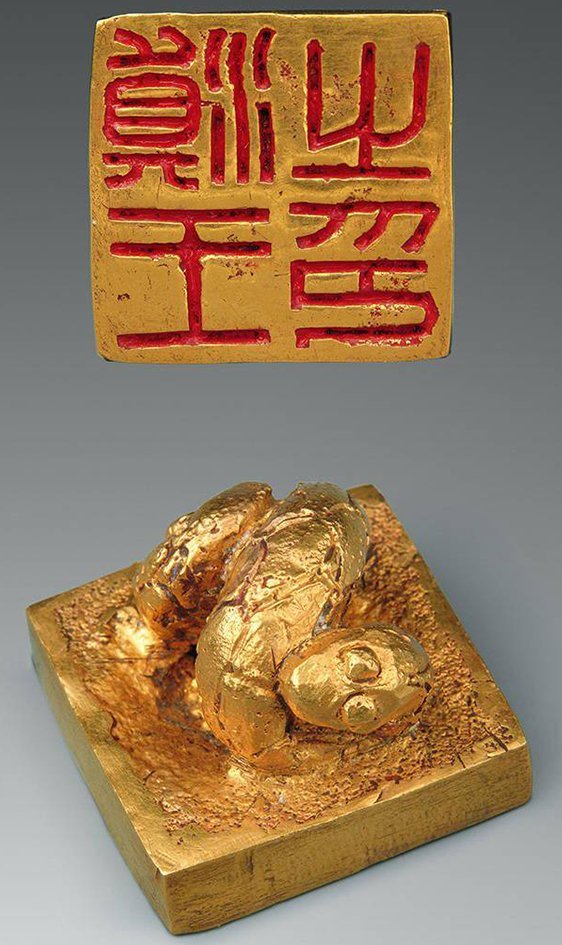
These archaeological insights are corroborated by Han Chinese historical documents. Notably, in 109 BC, Emperor Di presented the King of Dian with a golden seal inscribed “Seal of the King of the Dian Kingdom.” This seal signifies the recognition of the Dian kingdom within the broader historical context of ancient China.
As researchers continue to analyze these artifacts, the Dian civilization’s rich cultural tapestry unfolds, offering a unique glimpse into a society that thrived in a mythical landscape. The findings not only enrich our understanding of the Dian people but also contribute to the broader narrative of human history in the region, bridging the past with the present. The connection between the ancient civilizations and the legendary Shambhala remains a captivating subject for both scholars and enthusiasts alike.










Cancer Society Opens New Centre in Queenstown for Community Support

Can You Solve Today’s Challenging Word Puzzle in One Minute?

Anthropic Rejects Pentagon Demands, Prioritizes AI Ethics

Bioeconomy Science Institute Announces 6% Staff Reduction

Brumbies Snatch Victory from Blues in Thrilling Finish

Lotto Powerball Draws $6 Million Jackpot; Winning Numbers Revealed

Brumbies Triumph Over Blues with Late Surge in Canberra

Two Lotto Players Win $500,000 Each as Powerball Reaches $8 Million

Jason Pine Delivers Weekend Sports Highlights on February 28

Community Mourns Teens Lost in Mount Maunganui Landslide

Tributes Pour In for Lachlan Rofe, Reality Star, Dead at 47

Private Funeral Held for Dean Field and His Three Children

Funeral Planned for Field Siblings After Tragic House Fire

Netball New Zealand Stands Down Dame Noeline Taurua for Series

Julian Dennison Ties the Knot with Christian Baledrokadroka in New Zealand

New ‘Maverick’ Chaser Joins Beat the Chasers Season Finale

Silver Ferns Legend Laura Langman Criticizes Team’s Attitude

Eli Katoa Rushed to Hospital After Sideline Incident During Match
-
 Top Stories1 month ago
Community Mourns Teens Lost in Mount Maunganui Landslide
-
 Entertainment6 months ago
Tributes Pour In for Lachlan Rofe, Reality Star, Dead at 47
-
 World3 months ago
Private Funeral Held for Dean Field and His Three Children
-
 Top Stories3 months ago
Funeral Planned for Field Siblings After Tragic House Fire
-
 Sports6 months ago
Netball New Zealand Stands Down Dame Noeline Taurua for Series
-
 Entertainment1 month ago
Julian Dennison Ties the Knot with Christian Baledrokadroka in New Zealand
-
 Entertainment5 months ago
New ‘Maverick’ Chaser Joins Beat the Chasers Season Finale
-
 Sports6 months ago
Silver Ferns Legend Laura Langman Criticizes Team’s Attitude
-
 Sports4 months ago
Eli Katoa Rushed to Hospital After Sideline Incident During Match
-

 Sports4 months ago
All Blacks Star Damian McKenzie and Partner Announce Baby News
-

 Sports3 months ago
Nathan Williamson’s Condition Improves Following Race Fall
-

 Politics5 months ago
Netball NZ Calls for Respect Amid Dame Taurua’s Standoff