
Top Stories
Coffee Prices Drop, But Cafés Still Face Economic Pressures


As coffee commodity prices decrease, many consumers might expect a lower price for their daily brew. However, Richard Corney, managing director and co-founder of Flight Coffee Ltd, argues that the economics of cafés are far more complex than simply passing on commodity price drops to customers. Despite the recent decline in the Arabica C benchmark, which has fallen to around mid 280s US cents per pound, cafés continue to grapple with rising operational costs that impact their pricing strategies.
Understanding Café Economics
Corney emphasizes that while coffee prices may have softened, they remain historically high. The decrease in market price does not translate immediately to lower costs for cafés due to the nature of coffee procurement. Most roasters operate on a contracted basis, purchasing coffee ahead of time and holding inventory through third-party agents. This means that even as market prices decline, the costs for cafés often lag behind, keeping their profit margins under pressure.
The challenges extend beyond just the cost of green coffee. Cafés are contending with various rising expenses, including wages, rent, and utilities. For instance, the price of a flat white at Corney’s cafés has surged from $3.50 to $7 over the past two decades, reflecting a significant shift in operational costs. In comparison, a Big Mac in New Zealand has increased from approximately $4.45 in 2006 to about $8.40 in 2025, a rise of around 89%.
According to Stats NZ, the average takeaway coffee price has also seen a notable increase, moving from $2.89 in June 2006 to approximately $5.16 in June 2024. This represents a 79% rise over the period, indicating that while coffee prices have increased, they have not kept pace with the broader inflationary pressures faced by café operators.
The Impact of Rising Costs
Over the same time frame, the minimum wage in New Zealand has climbed from $10.25 per hour in 2006 to $23.95 per hour, effective from April 1, 2026, an increase of approximately 134%. The Living Wage for 2025 and 2026 is projected to be $28.95 per hour, which is the base rate at Corney’s establishments. Labour costs, being the largest expense for most cafés, have outpaced the average price of coffee, further straining their ability to maintain sustainable pricing.
Corney notes that large multinational fast-food chains manage rising costs through economies of scale, automation, and brand leverage, advantages that smaller café operators lack. This disparity means that cafés must adjust their prices more directly to reflect rising costs. Despite this necessity, many cafés still struggle to maintain viability as prices do not always keep pace with expenses.
Using the Reserve Bank of New Zealand inflation calculator, it becomes evident that a price point of $5 for a coffee is not neutral; it is effectively subsidized. A flat white encompasses more than just beans and milk; it includes skilled labour, equipment maintenance, and other operational costs. When consumers express that coffee is too expensive at $6, they often overlook the fact that these prices have been artificially low for an extended period.
The structural changes in New Zealand’s hospitality sector are significant. Recent reports indicate a wave of café closures, a trend that underscores the prolonged period where pricing has not aligned with operational realities. Free market capitalism dictates that consumer preferences will ultimately determine which businesses survive. If prices remain artificially low, the consequences will include underinvestment in staff and facilities, leading to burnout, decreased quality, and ultimately, more closures.
For those who value their local cafés, supporting sustainable pricing is crucial. While coffee markets may fluctuate, the fundamental economics of cafés have shifted permanently. Unless pricing reflects these changes, the industry will continue to face contraction, one business at a time.



Dan Carter and Lisa Carrington Reflect on Women Who Inspire Sport

Economic Recovery Fuels Property Market Resilience Amid Challenges

Sophie Henderson Shares Her Reading Journey and Upcoming Play

Cancer Society Opens New Centre in Queenstown for Community Support

Can You Solve Today’s Challenging Word Puzzle in One Minute?

Anthropic Rejects Pentagon Demands, Prioritizes AI Ethics

Bioeconomy Science Institute Announces 6% Staff Reduction

Brumbies Snatch Victory from Blues in Thrilling Finish

Lotto Powerball Draws $6 Million Jackpot; Winning Numbers Revealed

Community Mourns Teens Lost in Mount Maunganui Landslide

Tributes Pour In for Lachlan Rofe, Reality Star, Dead at 47

Private Funeral Held for Dean Field and His Three Children

Funeral Planned for Field Siblings After Tragic House Fire

Netball New Zealand Stands Down Dame Noeline Taurua for Series

Julian Dennison Ties the Knot with Christian Baledrokadroka in New Zealand

New ‘Maverick’ Chaser Joins Beat the Chasers Season Finale

Silver Ferns Legend Laura Langman Criticizes Team’s Attitude

Eli Katoa Rushed to Hospital After Sideline Incident During Match
-
 Top Stories1 month ago
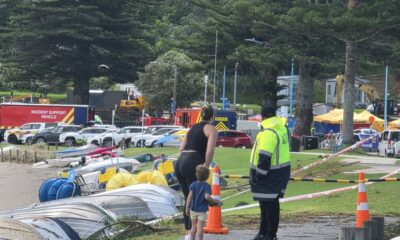
Community Mourns Teens Lost in Mount Maunganui Landslide
-
 Entertainment6 months ago
Tributes Pour In for Lachlan Rofe, Reality Star, Dead at 47
-
 World3 months ago
Private Funeral Held for Dean Field and His Three Children
-
 Top Stories3 months ago
Funeral Planned for Field Siblings After Tragic House Fire
-
 Sports6 months ago
Netball New Zealand Stands Down Dame Noeline Taurua for Series
-
 Entertainment1 month ago
Julian Dennison Ties the Knot with Christian Baledrokadroka in New Zealand
-
 Entertainment5 months ago
New ‘Maverick’ Chaser Joins Beat the Chasers Season Finale
-
 Sports6 months ago
Silver Ferns Legend Laura Langman Criticizes Team’s Attitude
-
 Sports4 months ago
Eli Katoa Rushed to Hospital After Sideline Incident During Match
-

 Sports4 months ago
All Blacks Star Damian McKenzie and Partner Announce Baby News
-

 Sports3 months ago
Nathan Williamson’s Condition Improves Following Race Fall
-

 Politics5 months ago
Netball NZ Calls for Respect Amid Dame Taurua’s Standoff