
Top Stories
Shock and Grief Follow Tragic Family Deaths in New Zealand

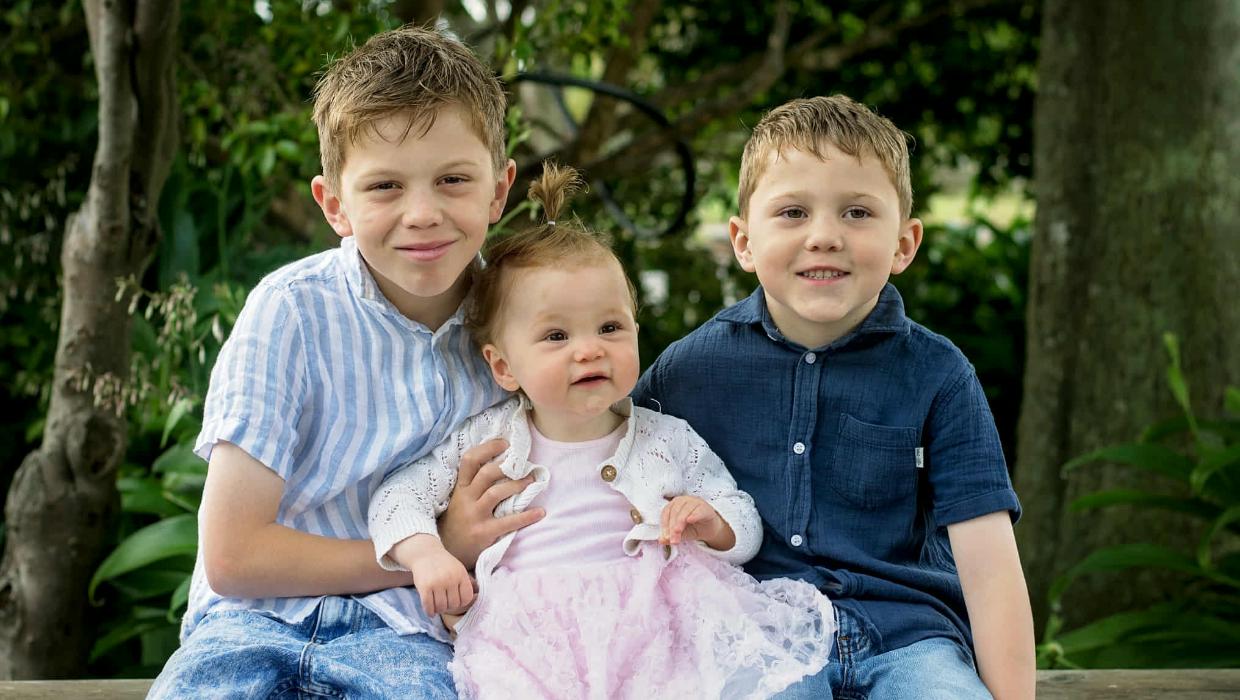
A tragic incident in Sanson, New Zealand, has resulted in the deaths of three young children and their father, sparking a profound national conversation about family violence and the motivations behind such acts. On August 2023, emergency services responded to a house fire, which ultimately led to the discovery of the fatalities. The children, Hugo, Goldie, and their one-year-old sibling, were found deceased, along with their father, Dean Field, who had no burn injuries.
The initial reports described the family as “lovely people” with three young children, but as the investigation unfolded, the grim reality became apparent. Professor Julia Tolmie, a criminal law expert, noted early signs indicating the tragic nature of the event, suggesting it might be a murder-suicide. “I’ll be very surprised if that isn’t a murder-suicide,” she remarked to her husband upon hearing the news.
While the investigation continues, the details surrounding Dean Field’s actions remain largely unknown. Neighbors described him as friendly and helpful, yet his brother reported that Dean felt “empty” in the days leading up to the incident. The family dog was also killed in the fire, further compounding the tragedy.
Chelsey Field, the children’s mother, expressed her heartbreak in a statement, saying, “My babies were my absolute world. This incident has left me heartbroken and devastated. My children did not deserve this.” The public response has been a significant outpouring of support for Chelsey, who is now navigating the unimaginable grief of losing her children.
Understanding the motivations behind parental filicide is complex. According to Tolmie, who chaired the Family Violence Death Review Committee for six years, the reasons often differ between mothers and fathers. “From 2009 to 2015, we had 194 family-violence deaths. Of the 56 child deaths, 10 were cases of filicide,” she stated.
Tolmie categorized these cases, emphasizing that paternal filicide-suicides often stem from custody disputes and relationship breakdowns. In contrast, maternal cases are typically linked to severe mental disorders and a history of intimate-partner violence. “Of the four father offenders, two were known to authorities for abusing their current female partner, and two of the six offending mothers were known for being the victims of abuse,” she noted.
The case of Lauren Dickason, who killed her three daughters in 2021, exemplifies the mental health issues often present in maternal filicide cases. Tolmie pointed out that in such instances, there is usually no element of revenge, unlike many paternal cases where the act is a means of exerting control over a partner.
The historical context of filicide in New Zealand reveals a troubling pattern. Several high-profile cases involved fathers who killed their children as a retaliation against a partner’s decision to leave. This includes incidents involving Alan Bristol in 1994 and Edward Livingstone in 2014, all of whom also took their own lives afterward.
Researcher Rhonda Pritchard, who has studied filicide-suicide in the context of custody disputes, highlighted the shocking reality that children are often thought of as safe in their parents’ care. “A lot of babies and small children die at parents’ or caregivers’ hands… but they don’t set out to kill their children. With these cases, there is intent,” she stated.
Pritchard’s study, published in 2006, focused on cases in New Zealand and Australia, revealing that the murderers often had violent histories towards their partners but not towards their children. The common thread among these offenders was a deep dependency on their partners, which turned into violent acts in moments of perceived loss.
Both Tolmie and Pritchard stress the importance of recognizing potential warning signs in families experiencing crises. “When a parent is going through a crisis, experiencing a separation, and is deeply unhappy and despairing, people need to take their concerns seriously,” Pritchard advised.
The ongoing police investigation into the Sanson tragedy remains a focal point for understanding the circumstances that led to Dean Field’s actions. As the community mourns the loss of three innocent lives, the conversation around family violence and the complexities of parental motivations continues to grow.
While comforting narratives often emerge around cases involving fathers, Tolmie warns against oversimplifying such tragedies. “Loving father snapped is a very simplistic narrative. Yes, these men may be hurting, but they are also very dangerous to their families.” The urgency of addressing these issues remains paramount, as communities seek to prevent future tragedies and protect vulnerable family members.



Young Robotics Team from New Zealand Qualifies for World Championships

Alice Robinson Secures Second Place at World Cup Return

Fatalities Rise Following Three-Vehicle Collision in Bunnythorpe

Film Club Kicks Off 76th Season with Political Themes and Diverse Cinema

Trump’s Iran Strikes Likely to Drive Up Global Fuel Prices

Film Club Launches 76th Season with Political Themes in Cinema

Dan Carter and Lisa Carrington Reflect on Women Who Inspire Sport

Economic Recovery Fuels Property Market Resilience Amid Challenges

Sophie Henderson Shares Her Reading Journey and Upcoming Play

Community Mourns Teens Lost in Mount Maunganui Landslide

Tributes Pour In for Lachlan Rofe, Reality Star, Dead at 47

Private Funeral Held for Dean Field and His Three Children

Funeral Planned for Field Siblings After Tragic House Fire

Netball New Zealand Stands Down Dame Noeline Taurua for Series

Julian Dennison Ties the Knot with Christian Baledrokadroka in New Zealand

New ‘Maverick’ Chaser Joins Beat the Chasers Season Finale

Silver Ferns Legend Laura Langman Criticizes Team’s Attitude

Eli Katoa Rushed to Hospital After Sideline Incident During Match
-
 Top Stories1 month ago
Community Mourns Teens Lost in Mount Maunganui Landslide
-
 Entertainment6 months ago
Tributes Pour In for Lachlan Rofe, Reality Star, Dead at 47
-
 World3 months ago
Private Funeral Held for Dean Field and His Three Children
-
 Top Stories3 months ago
Funeral Planned for Field Siblings After Tragic House Fire
-
 Sports6 months ago
Netball New Zealand Stands Down Dame Noeline Taurua for Series
-
 Entertainment1 month ago
Julian Dennison Ties the Knot with Christian Baledrokadroka in New Zealand
-
 Entertainment5 months ago
New ‘Maverick’ Chaser Joins Beat the Chasers Season Finale
-
 Sports6 months ago
Silver Ferns Legend Laura Langman Criticizes Team’s Attitude
-
 Sports4 months ago
Eli Katoa Rushed to Hospital After Sideline Incident During Match
-

 Sports4 months ago
All Blacks Star Damian McKenzie and Partner Announce Baby News
-

 Sports3 months ago
Nathan Williamson’s Condition Improves Following Race Fall
-

 Politics5 months ago
Netball NZ Calls for Respect Amid Dame Taurua’s Standoff