
Top Stories
Unions Secure Pay Increases for Health Workers Amid Protests

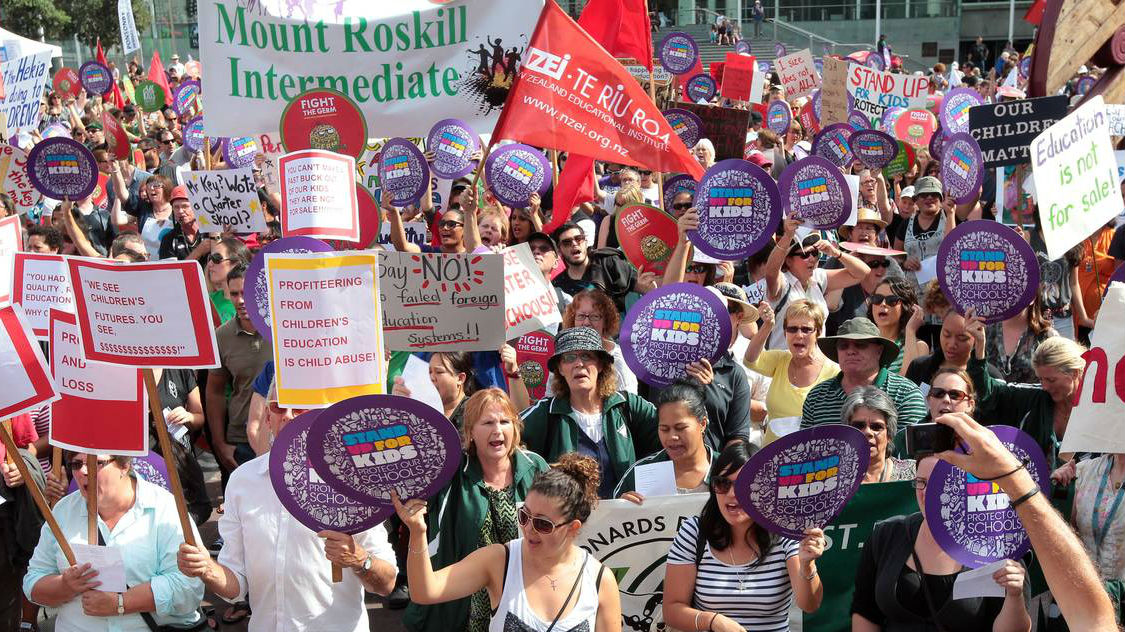
Recent negotiations have concluded with unions representing allied health workers securing pay increases for approximately 12,000 professionals, including physiotherapists and social workers. After extensive discussions and industrial actions, these workers have agreed to a pay deal that includes a 2.5% increase this year, followed by a slightly lower increase next year. Negotiations continue for other educational staff, including principals and secondary teachers, who received similar offers.
While the unions celebrated the achievement, the broader context has raised questions about the effectiveness of the industrial actions taken. Some critics argue that despite the months of negotiations, strikes, and protests, the outcomes have remained largely uniform across different sectors. The primary teachers, who are still negotiating, appear to be the last group holding out, largely due to ongoing discussions related to the Treaty.
Analysis of the Negotiations
The financial reality facing the state has been a significant factor in these negotiations. With the government grappling with high levels of debt, the ability to offer substantial pay increases was limited. Observers note that the scale of the collective bargaining process inherently affects the outcomes for all parties involved.
Sir Brian Roche has emerged as a key figure in these negotiations, working diligently behind the scenes. His efforts have been met with some skepticism, as many union members question whether their strategies were effective in achieving their desired outcomes. The overall sentiment among critics is that the prolonged industrial actions did not yield measurable improvements beyond what was initially proposed.
In essence, many feel that the time and energy spent on these protests could have been more efficiently utilized. The general consensus suggests that a less adversarial approach might have resulted in similar outcomes without the associated distress experienced by workers.
Implications for the Future
Moving forward, the situation raises important questions about the role of unions in collective bargaining. The recent settlements have demonstrated that while unions are crucial for advocating for workers’ rights, the results of their efforts may not always align with the expectations of their members.
As negotiations continue for primary teachers and other educational staff, it remains to be seen whether alternative strategies will be embraced. The recent outcomes underline the need for constructive dialogue rather than prolonged conflict, particularly in times of fiscal constraint where resources are limited.
Overall, the secured pay increases reflect a compromise that, while beneficial for allied health workers, also highlights the challenges inherent in public sector negotiations. The balancing act of ensuring fair compensation while managing state resources will continue to be a critical issue for all stakeholders involved.









New $25 Million Funding Boosts Hospital Capacity Ahead of Winter

Discover Sleep Space’s Affordable Bach Bed Packages Today

Jury Dismissed in Sexual Assault Trial Over Misguided Questions

Wellington’s New Gallery Unveils Community-Driven Art Exhibition

All Whites Face Challenges as Injuries Strike Before World Cup

Heroic Bystander Rescues Swimmers from Dangerous Surf in Napier

Nina Oyama Returns to Crime Comedy in Deadloch Season 2

China Southern Airlines Offers Reliable Journey from Auckland to Vietnam

Nina Oyama Returns to Deadloch for Anticipated Season 2

Community Mourns Teens Lost in Mount Maunganui Landslide

Tributes Pour In for Lachlan Rofe, Reality Star, Dead at 47

Private Funeral Held for Dean Field and His Three Children

Funeral Planned for Field Siblings After Tragic House Fire

Netball New Zealand Stands Down Dame Noeline Taurua for Series

Julian Dennison Ties the Knot with Christian Baledrokadroka in New Zealand

Auckland’s Average Rent Surpasses $700 for Three-Bedroom Homes

Al Waha Motors Opens Flagship Jetour Showroom in Al Khor

New Research Reveals Simple Path to Enhanced Happiness
-
 Top Stories6 months ago
Community Mourns Teens Lost in Mount Maunganui Landslide
-
 Entertainment11 months ago
Tributes Pour In for Lachlan Rofe, Reality Star, Dead at 47
-
 World8 months ago
Private Funeral Held for Dean Field and His Three Children
-
 Top Stories8 months ago
Funeral Planned for Field Siblings After Tragic House Fire
-
 Sports11 months ago
Netball New Zealand Stands Down Dame Noeline Taurua for Series
-
 Entertainment6 months ago
Julian Dennison Ties the Knot with Christian Baledrokadroka in New Zealand
-
 Business7 months ago
Auckland’s Average Rent Surpasses $700 for Three-Bedroom Homes
-
 Health6 months ago
Al Waha Motors Opens Flagship Jetour Showroom in Al Khor
-
 Science9 months ago
New Research Reveals Simple Path to Enhanced Happiness
-

 Entertainment10 months ago
New ‘Maverick’ Chaser Joins Beat the Chasers Season Finale
-

 Lifestyle10 months ago
Maia Wilson Faces Backlash Following Taurua’s Suspension
-

 Sports9 months ago
All Blacks Star Damian McKenzie and Partner Announce Baby News