
Politics
Jury Dismissed in Sexual Assault Trial Over Misguided Questions

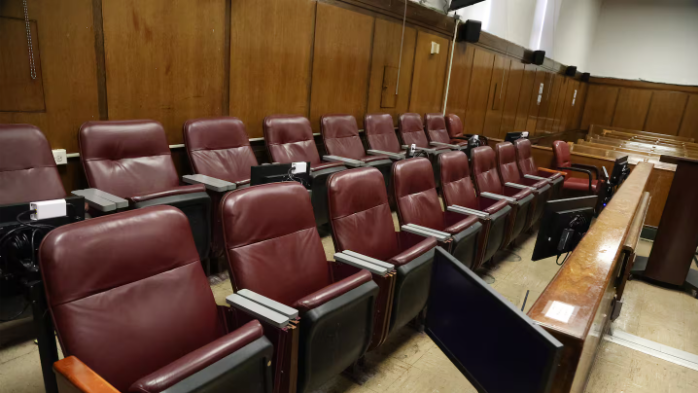
A sexual assault trial in New Zealand was abruptly halted when a jury’s inquiries revealed deeply entrenched misconceptions about sexual history and clothing. The judge, William Bill Hastings, declared the trial unfair after jurors raised questions regarding the complainant’s underwear and her past sexual experiences, prompting serious concerns about the jury’s ability to remain impartial.
The case involved a complainant who had reportedly been at a gathering with colleagues, including the defendant. After consuming alcohol, she fell unconscious and later awoke to find a man allegedly removing her clothes and sexually assaulting her. DNA testing confirmed the defendant as the perpetrator, despite the complainant initially being acquainted with another individual, referred to as Person A.
As the trial commenced, the complainant began providing evidence. The jurors, however, quickly submitted questions that highlighted their focus on inappropriate details rather than the core issues of consent and violation. Among their inquiries were clarifications about the complainant’s clothing and a request for the reason behind the delay in reporting the incident to authorities.
Judge Hastings had previously ruled that the complainant could not be cross-examined about her sexual history or perceived sexual interest, in line with Section 44 of the Evidence Act. This section requires judicial permission before such topics can be discussed in court.
In his pre-trial ruling, Hastings emphasized that the critical questions revolved around whether consent was given and whether the defendant had reasonable grounds to believe consent existed.
When the jury’s questioning took a turn toward the complainant’s sexual history, Crown lawyer Jeremy Cameron requested a mistrial. He argued that the jury’s questions indicated a shift towards impermissible reasoning that could not be remedied through judicial guidance. Hastings concurred, stating the inquiry reflected harmful misconceptions that could not be corrected.
“Questions about a woman’s sexual history or what she was wearing are rooted in outdated and harmful beliefs,” said Danielle Nicholson, General Manager of a regional Rape Crisis Centre. She emphasized that such questions place undue blame on victims rather than the perpetrators of sexual violence.
Hastings ultimately decided to discharge the jury, expressing that their reasoning was too entrenched for the trial to continue fairly. “A mishap has happened,” he stated in his decision, underscoring the importance of addressing misconceptions surrounding sexual violence.
The trial was set to restart the following week with a new jury, which ultimately found the defendant guilty of sexual violation. This incident has sparked discussions about the need for continued education on sexual violence and the biases that influence legal proceedings.
Nicholson reiterated the critical need for systemic change, stating, “Survivors already face enormous barriers to coming forward. Outdated attitudes like these only reinforce fear, shame, and silence.”
For those affected by sexual violence, resources are available. In New Zealand, individuals can contact Safe to Talk at 0800 044 334 or text 4334 for immediate support.











New $25 Million Funding Boosts Hospital Capacity Ahead of Winter

Discover Sleep Space’s Affordable Bach Bed Packages Today

Jury Dismissed in Sexual Assault Trial Over Misguided Questions

Wellington’s New Gallery Unveils Community-Driven Art Exhibition

All Whites Face Challenges as Injuries Strike Before World Cup

Heroic Bystander Rescues Swimmers from Dangerous Surf in Napier

Nina Oyama Returns to Crime Comedy in Deadloch Season 2

China Southern Airlines Offers Reliable Journey from Auckland to Vietnam

Nina Oyama Returns to Deadloch for Anticipated Season 2

Community Mourns Teens Lost in Mount Maunganui Landslide

Tributes Pour In for Lachlan Rofe, Reality Star, Dead at 47

Private Funeral Held for Dean Field and His Three Children

Funeral Planned for Field Siblings After Tragic House Fire

Netball New Zealand Stands Down Dame Noeline Taurua for Series

Julian Dennison Ties the Knot with Christian Baledrokadroka in New Zealand

Auckland’s Average Rent Surpasses $700 for Three-Bedroom Homes

Al Waha Motors Opens Flagship Jetour Showroom in Al Khor

New Research Reveals Simple Path to Enhanced Happiness
-
 Top Stories6 months ago
Community Mourns Teens Lost in Mount Maunganui Landslide
-
 Entertainment11 months ago
Tributes Pour In for Lachlan Rofe, Reality Star, Dead at 47
-
 World8 months ago
Private Funeral Held for Dean Field and His Three Children
-
 Top Stories8 months ago
Funeral Planned for Field Siblings After Tragic House Fire
-
 Sports11 months ago
Netball New Zealand Stands Down Dame Noeline Taurua for Series
-
 Entertainment6 months ago
Julian Dennison Ties the Knot with Christian Baledrokadroka in New Zealand
-
 Business7 months ago
Auckland’s Average Rent Surpasses $700 for Three-Bedroom Homes
-
 Health6 months ago
Al Waha Motors Opens Flagship Jetour Showroom in Al Khor
-
 Science9 months ago
New Research Reveals Simple Path to Enhanced Happiness
-

 Entertainment10 months ago
New ‘Maverick’ Chaser Joins Beat the Chasers Season Finale
-

 Lifestyle10 months ago
Maia Wilson Faces Backlash Following Taurua’s Suspension
-

 Sports9 months ago
All Blacks Star Damian McKenzie and Partner Announce Baby News