
World
Neurobiologist Robert Sapolsky Discusses Free Will and Morality

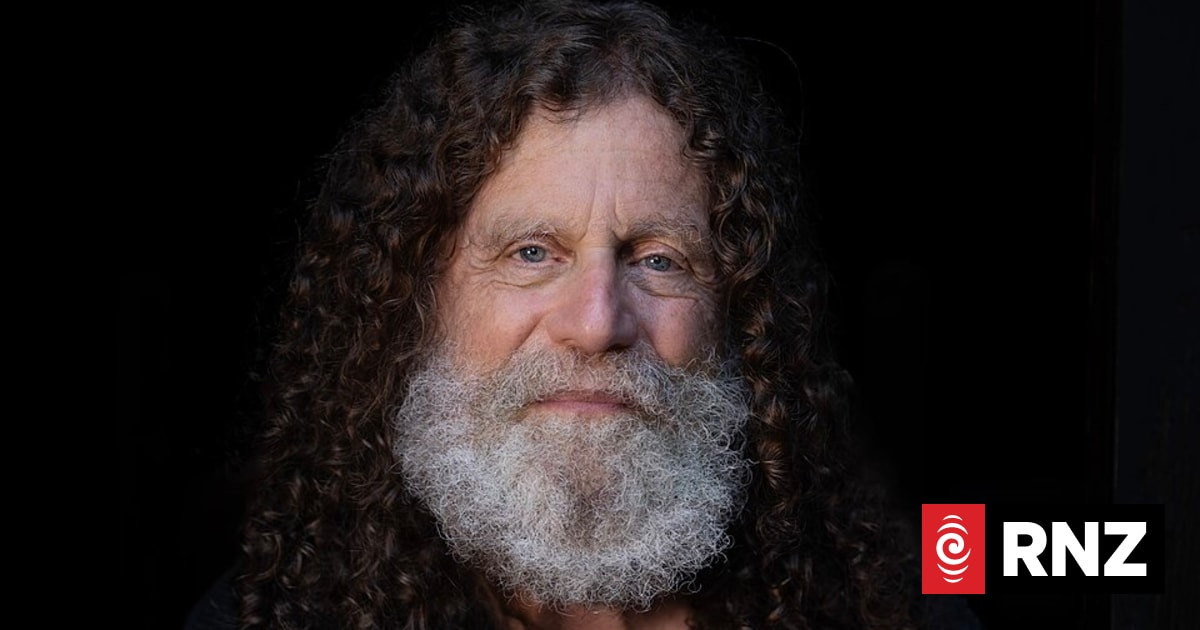
In his latest book, Determined, renowned neurobiologist Robert Sapolsky argues that humans lack free will, suggesting that our thoughts and actions are shaped by a complex interplay of biology and environment. Sapolsky, a professor at Stanford University, reflects on a profound revelation he had at the age of 14, which led him to conclude that free will does not exist.
He recounts, “Suddenly, I woke up at two in the morning and said, ‘Ah, I get it. There’s no free will. And there’s no God. And there’s no purpose in the universe whatsoever.’” This realization, he claims, has profoundly influenced his understanding of human behavior and decision-making.
Sapolsky emphasizes that while many people feel a strong conviction that they possess free will, this perception overlooks the numerous factors that shape individual choices. He challenges readers to consider the various influences at play when making decisions, such as genetic predispositions, hormonal influences, and early life experiences.
Rethinking Responsibility and Justice
The implications of Sapolsky’s argument extend far beyond personal introspection. He posits that recognizing the absence of free will fundamentally alters our approach to ethics and justice. “Once you really believe there’s no free will, it makes no sense, intellectually or ethically, to blame, punish, praise or reward another person,” he explains. This perspective, he argues, calls into question the foundations of the criminal justice system, which is largely predicated on the idea of individual accountability.
Sapolsky asserts that understanding the biological and environmental roots of behavior can lead to more humane and effective interventions. He states, “Seeing where this stuff comes from makes us not only better at interventions, but it also makes us better at not constructing societies where, by definition, half the people are treated worse than average for stuff they had nothing to do with.”
Furthermore, he points out that hating individuals like Donald Trump or Vladimir Putin for their actions is misguided. He reflects on Trump’s upbringing, noting, “He had an awful upbringing. His father was a nightmare. His mother was ice-cold. He spent his whole life having to pay people to pretend that they love him. No wonder he turned out this way.”
Impacts on Society and Personal Relationships
Sapolsky’s insights offer a transformative lens through which to view societal issues and personal relationships. He argues that understanding the lack of free will can be liberating for those who have faced adversity, as it shifts the focus from blame to understanding. “If you’re someone who’s been treated worse than average in your life for reasons you had nothing to do with, the idea of there being no free will is liberating,” he states.
He emphasizes that while individuals should actively work to prevent harmful actions by influential figures, it is crucial to recognize that these individuals are products of their environments and experiences. This acknowledgment does not absolve them of responsibility but rather invites a more compassionate approach to understanding their actions.
Sapolsky believes that a deeper understanding of human behavior could foster a more just society. By shifting the focus from blame to the biological and environmental factors that shape individuals, society can aim for more effective solutions to complex social issues.
In conclusion, Robert Sapolsky challenges long-held beliefs about free will and personal responsibility in his book Determined, urging readers to consider the profound impact of biology and environment on human behavior. His work invites a reevaluation of how society views justice, accountability, and compassion, offering a path toward a more understanding and equitable world.



New $25 Million Funding Boosts Hospital Capacity Ahead of Winter

Discover Sleep Space’s Affordable Bach Bed Packages Today

Jury Dismissed in Sexual Assault Trial Over Misguided Questions

Wellington’s New Gallery Unveils Community-Driven Art Exhibition

All Whites Face Challenges as Injuries Strike Before World Cup

Heroic Bystander Rescues Swimmers from Dangerous Surf in Napier

Nina Oyama Returns to Crime Comedy in Deadloch Season 2

China Southern Airlines Offers Reliable Journey from Auckland to Vietnam

Nina Oyama Returns to Deadloch for Anticipated Season 2

Community Mourns Teens Lost in Mount Maunganui Landslide

Tributes Pour In for Lachlan Rofe, Reality Star, Dead at 47

Private Funeral Held for Dean Field and His Three Children

Funeral Planned for Field Siblings After Tragic House Fire

Netball New Zealand Stands Down Dame Noeline Taurua for Series

Julian Dennison Ties the Knot with Christian Baledrokadroka in New Zealand

New Research Reveals Simple Path to Enhanced Happiness

New ‘Maverick’ Chaser Joins Beat the Chasers Season Finale

Maia Wilson Faces Backlash Following Taurua’s Suspension
-
 Top Stories5 months ago
Community Mourns Teens Lost in Mount Maunganui Landslide
-
 Entertainment10 months ago
Tributes Pour In for Lachlan Rofe, Reality Star, Dead at 47
-
 World7 months ago
Private Funeral Held for Dean Field and His Three Children
-
 Top Stories7 months ago
Funeral Planned for Field Siblings After Tragic House Fire
-
 Sports10 months ago
Netball New Zealand Stands Down Dame Noeline Taurua for Series
-
 Entertainment5 months ago
Julian Dennison Ties the Knot with Christian Baledrokadroka in New Zealand
-
 Science8 months ago
New Research Reveals Simple Path to Enhanced Happiness
-
 Entertainment9 months ago
New ‘Maverick’ Chaser Joins Beat the Chasers Season Finale
-
 Lifestyle9 months ago
Maia Wilson Faces Backlash Following Taurua’s Suspension
-

 Sports8 months ago
All Blacks Star Damian McKenzie and Partner Announce Baby News
-

 Sports10 months ago
Silver Ferns Legend Laura Langman Criticizes Team’s Attitude
-

 Sports8 months ago
Eli Katoa Rushed to Hospital After Sideline Incident During Match