
Lifestyle
New Zealand Faces Crisis as Alzheimer’s Cases Expected to Double

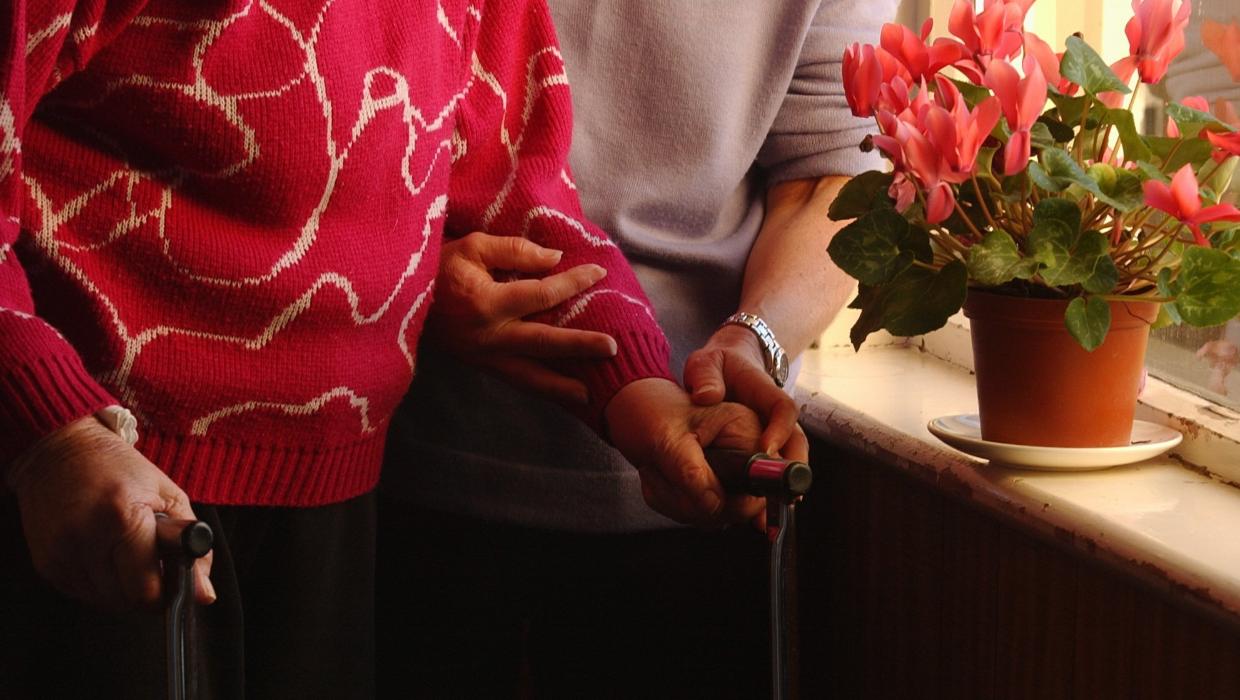
Community-based support organizations in New Zealand are struggling to meet the growing needs of Alzheimer’s and dementia patients, with projections indicating that the number of affected individuals could double by 2030. A recent report highlights that these organizations are “woefully underfunded and under-resourced,” raising serious concerns about the country’s preparedness for this impending health crisis.
The Alzheimer’s Association and other advocacy groups have warned that without significant investment, the healthcare system will be overwhelmed. Currently, about 70,000 New Zealanders live with dementia, and this figure is expected to rise dramatically. The Ministry of Health has acknowledged the issue but has yet to allocate the necessary resources to effectively address the situation.
Funding Shortfalls Impact Care Services
According to the Dementia Foundation, community-based services that provide essential support are facing severe funding shortages. The organization estimates that at least $100 million is needed to adequately fund these services over the next decade. This lack of financial support directly affects the availability of resources for both patients and caregivers, who are often left to navigate the complexities of dementia care on their own.
The report emphasizes that timely intervention and support can significantly improve the quality of life for individuals living with dementia. However, without adequate funding and resources, these services may struggle to meet the growing demand.
Call for Action from Health Officials
In response to these alarming projections, health officials are calling for immediate action from the New Zealand government. They urge policymakers to prioritize funding for dementia care and to develop a comprehensive national strategy that addresses the needs of an aging population.
The Alzheimer’s Association has also launched campaigns to raise awareness about the importance of early diagnosis and intervention. They stress that increased public awareness can lead to improved outcomes for patients and their families.
With the expected rise in Alzheimer’s cases, the need for a coordinated response is more urgent than ever. Advocacy groups continue to push for a commitment from the government to ensure that New Zealand’s healthcare system is equipped to handle the challenges posed by this growing health concern.
As the nation prepares for a sharp increase in dementia cases, the voices of those impacted by the disease are becoming increasingly important. Families and caregivers are calling for better support and resources, emphasizing that the future of dementia care in New Zealand depends on immediate action and sustained commitment from all stakeholders involved.









New $25 Million Funding Boosts Hospital Capacity Ahead of Winter

Discover Sleep Space’s Affordable Bach Bed Packages Today

Jury Dismissed in Sexual Assault Trial Over Misguided Questions

Wellington’s New Gallery Unveils Community-Driven Art Exhibition

All Whites Face Challenges as Injuries Strike Before World Cup

Heroic Bystander Rescues Swimmers from Dangerous Surf in Napier

Nina Oyama Returns to Crime Comedy in Deadloch Season 2

China Southern Airlines Offers Reliable Journey from Auckland to Vietnam

Nina Oyama Returns to Deadloch for Anticipated Season 2

Community Mourns Teens Lost in Mount Maunganui Landslide

Tributes Pour In for Lachlan Rofe, Reality Star, Dead at 47

Private Funeral Held for Dean Field and His Three Children

Funeral Planned for Field Siblings After Tragic House Fire

Netball New Zealand Stands Down Dame Noeline Taurua for Series

Julian Dennison Ties the Knot with Christian Baledrokadroka in New Zealand

New Research Reveals Simple Path to Enhanced Happiness

New ‘Maverick’ Chaser Joins Beat the Chasers Season Finale

Maia Wilson Faces Backlash Following Taurua’s Suspension
-
 Top Stories5 months ago
Community Mourns Teens Lost in Mount Maunganui Landslide
-
 Entertainment10 months ago
Tributes Pour In for Lachlan Rofe, Reality Star, Dead at 47
-
 World7 months ago
Private Funeral Held for Dean Field and His Three Children
-
 Top Stories8 months ago
Funeral Planned for Field Siblings After Tragic House Fire
-
 Sports10 months ago
Netball New Zealand Stands Down Dame Noeline Taurua for Series
-
 Entertainment6 months ago
Julian Dennison Ties the Knot with Christian Baledrokadroka in New Zealand
-
 Science8 months ago
New Research Reveals Simple Path to Enhanced Happiness
-
 Entertainment9 months ago
New ‘Maverick’ Chaser Joins Beat the Chasers Season Finale
-
 Lifestyle9 months ago
Maia Wilson Faces Backlash Following Taurua’s Suspension
-

 Sports9 months ago
All Blacks Star Damian McKenzie and Partner Announce Baby News
-

 Sports10 months ago
Silver Ferns Legend Laura Langman Criticizes Team’s Attitude
-

 Sports8 months ago
Eli Katoa Rushed to Hospital After Sideline Incident During Match