
Business
Avocado Industry Faces Major Transition as Half of Owners Retire

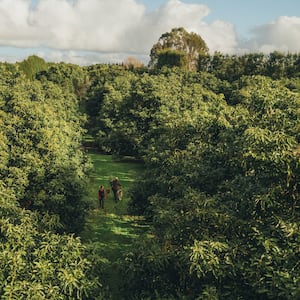
The avocado industry in New Zealand is on the brink of a significant transformation as over half of its farm and orchard owners are projected to retire by 2035. A recent white paper from Rabobank indicates that approximately 17,320 farmers and growers will reach the age of 65 in the next decade. This demographic shift poses considerable implications for the future of avocado production and land ownership in the country.
According to the report, the impending retirement of these agricultural stakeholders represents an estimated $150 billion in farming assets. This figure underscores the financial stakes involved in the succession process, which is crucial for maintaining the continuity of operations within the sector. As these established farmers step back, the industry will need to navigate the complexities of transferring ownership and ensuring that the land continues to be productive.
Opportunities and Challenges Ahead
Brad Siebert, chief executive of NZ Avocado, commented on the dual nature of this transition. He highlighted that while the shift offers new opportunities for incoming farmers, it also presents challenges that could reshape the industry. The way farming and horticultural businesses are owned, financed, and managed is likely to evolve significantly in response to this changing landscape.
Siebert emphasized the importance of a smooth succession process, arguing it is vital for fostering a sustainable future in avocado production. The industry must prepare for a landscape where younger farmers may bring different approaches and innovations to the table, potentially revitalizing operations but also requiring adjustments from existing practices.
The white paper serves as a call to action for stakeholders within the avocado sector. Producers, investors, and policymakers will need to collaborate to create frameworks that support the transitioning of ownership. By doing so, they can ensure that the industry remains robust and competitive on both national and international stages.
The Future of Avocado Farming
As the avocado market continues to grow in popularity, both domestically and globally, the implications of this impending generational shift cannot be overstated. With increasing demand for avocados, the industry stands at a crossroads. The decisions made today regarding succession planning will play a crucial role in determining how well the sector adapits to the changing times.
The report from Rabobank calls for proactive measures to facilitate this transition. Succession plans that prioritize mentorship, training, and financing options for new entrants may help mitigate the risks associated with such a large-scale turnover in ownership.
As New Zealand prepares to navigate this transformative period, the avocado industry must remain vigilant. By addressing these upcoming challenges head-on, stakeholders can help shape a thriving future for avocado farming that honors the legacy of current owners while paving the way for innovation and growth.










New $25 Million Funding Boosts Hospital Capacity Ahead of Winter

Discover Sleep Space’s Affordable Bach Bed Packages Today

Jury Dismissed in Sexual Assault Trial Over Misguided Questions

Wellington’s New Gallery Unveils Community-Driven Art Exhibition

All Whites Face Challenges as Injuries Strike Before World Cup

Heroic Bystander Rescues Swimmers from Dangerous Surf in Napier

Nina Oyama Returns to Crime Comedy in Deadloch Season 2

China Southern Airlines Offers Reliable Journey from Auckland to Vietnam

Nina Oyama Returns to Deadloch for Anticipated Season 2

Community Mourns Teens Lost in Mount Maunganui Landslide

Tributes Pour In for Lachlan Rofe, Reality Star, Dead at 47

Private Funeral Held for Dean Field and His Three Children

Funeral Planned for Field Siblings After Tragic House Fire

Netball New Zealand Stands Down Dame Noeline Taurua for Series

Julian Dennison Ties the Knot with Christian Baledrokadroka in New Zealand

New Research Reveals Simple Path to Enhanced Happiness

New ‘Maverick’ Chaser Joins Beat the Chasers Season Finale

Maia Wilson Faces Backlash Following Taurua’s Suspension
-
 Top Stories5 months ago
Community Mourns Teens Lost in Mount Maunganui Landslide
-
 Entertainment10 months ago
Tributes Pour In for Lachlan Rofe, Reality Star, Dead at 47
-
 World7 months ago
Private Funeral Held for Dean Field and His Three Children
-
 Top Stories7 months ago
Funeral Planned for Field Siblings After Tragic House Fire
-
 Sports10 months ago
Netball New Zealand Stands Down Dame Noeline Taurua for Series
-
 Entertainment5 months ago
Julian Dennison Ties the Knot with Christian Baledrokadroka in New Zealand
-
 Science8 months ago
New Research Reveals Simple Path to Enhanced Happiness
-
 Entertainment9 months ago
New ‘Maverick’ Chaser Joins Beat the Chasers Season Finale
-
 Lifestyle9 months ago
Maia Wilson Faces Backlash Following Taurua’s Suspension
-

 Sports8 months ago
All Blacks Star Damian McKenzie and Partner Announce Baby News
-

 Sports10 months ago
Silver Ferns Legend Laura Langman Criticizes Team’s Attitude
-

 Sports8 months ago
Eli Katoa Rushed to Hospital After Sideline Incident During Match