
Business
Consumer NZ Anticipates Slight Drop in Electricity Prices by 2026

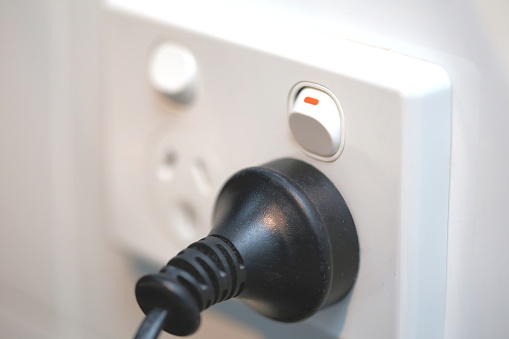
Consumer NZ has expressed cautious optimism regarding a potential decrease in electricity prices in 2026. While the consumer advocacy group acknowledges that factors such as increased investment in electricity generation and favorable weather conditions could contribute to a more stable market, expectations for significant price reductions remain tempered.
Investment and Supply Factors
According to Paul Fuge, manager of Consumer NZ’s Powerswitch initiative, the recent increase in investment by gentailers—companies that both generate and retail electricity—is a promising development. “We’re seeing some positive signs,” Fuge stated. “Gentailers have increased their investment in generation, which is really positive. Increasing supply and generation should help alleviate some of those high prices, in theory.”
Despite these positive indicators, Fuge cautioned that average consumers may not experience substantial relief in their electricity bills. “I wouldn’t want to raise expectations there. I don’t think [prices] will decrease by much,” he remarked. He anticipates that prices will at least remain static, with a slight reduction possible, but he remains open to the possibility of price increases in the coming year.
Impact on Households
The reality for many households has been stark. Over the past year, numerous families have witnessed sharp increases in their electricity bills. “Households are really feeling that, especially in a cost of living crisis,” Fuge noted. “It’s an essential service. You can’t not have electricity, and so that’s hitting households and businesses pretty hard.”
Fuge attributed part of the pricing challenges to a lack of competition within the market. “Close to 90% of the market is dominated by one of the four gentailers or oil and gas subsidiaries,” he explained. This concentration limits the ability of independent generators and retailers to gain market traction, suggesting that the structure of New Zealand’s retail electricity market may require reform.
Looking ahead, Fuge hopes that politicians will prioritize electricity prices in upcoming elections. “It will become a political issue. We feel there needs to be reform in the system, in the market, and that hasn’t happened,” he said. “I think it will be an issue for politicians next year, and not just us; lots of other organizations are also concerned about the price of energy and what it means for our economy.”
Fuge emphasized that the current electricity market has not produced favorable outcomes for either businesses or households. “It’s been 25 years now since we implemented this retail market, and the results are not aligned with what you’d expect from a thriving competitive market,” he concluded, urging for a reassessment of the current system.









New $25 Million Funding Boosts Hospital Capacity Ahead of Winter

Discover Sleep Space’s Affordable Bach Bed Packages Today

Jury Dismissed in Sexual Assault Trial Over Misguided Questions

Wellington’s New Gallery Unveils Community-Driven Art Exhibition

All Whites Face Challenges as Injuries Strike Before World Cup

Heroic Bystander Rescues Swimmers from Dangerous Surf in Napier

Nina Oyama Returns to Crime Comedy in Deadloch Season 2

China Southern Airlines Offers Reliable Journey from Auckland to Vietnam

Nina Oyama Returns to Deadloch for Anticipated Season 2

Community Mourns Teens Lost in Mount Maunganui Landslide

Tributes Pour In for Lachlan Rofe, Reality Star, Dead at 47

Private Funeral Held for Dean Field and His Three Children

Funeral Planned for Field Siblings After Tragic House Fire

Netball New Zealand Stands Down Dame Noeline Taurua for Series

Julian Dennison Ties the Knot with Christian Baledrokadroka in New Zealand

New Research Reveals Simple Path to Enhanced Happiness

New ‘Maverick’ Chaser Joins Beat the Chasers Season Finale

Silver Ferns Legend Laura Langman Criticizes Team’s Attitude
-
 Top Stories3 months ago
Community Mourns Teens Lost in Mount Maunganui Landslide
-
 Entertainment8 months ago
Tributes Pour In for Lachlan Rofe, Reality Star, Dead at 47
-
 World5 months ago
Private Funeral Held for Dean Field and His Three Children
-
 Top Stories6 months ago
Funeral Planned for Field Siblings After Tragic House Fire
-
 Sports8 months ago
Netball New Zealand Stands Down Dame Noeline Taurua for Series
-
 Entertainment4 months ago
Julian Dennison Ties the Knot with Christian Baledrokadroka in New Zealand
-
 Science6 months ago
New Research Reveals Simple Path to Enhanced Happiness
-
 Entertainment7 months ago
New ‘Maverick’ Chaser Joins Beat the Chasers Season Finale
-
 Sports8 months ago
Silver Ferns Legend Laura Langman Criticizes Team’s Attitude
-

 Sports7 months ago
All Blacks Star Damian McKenzie and Partner Announce Baby News
-

 Sports6 months ago
Eli Katoa Rushed to Hospital After Sideline Incident During Match
-

 Politics7 months ago
Netball NZ Calls for Respect Amid Dame Taurua’s Standoff