
Business
Major Airports Fail in High Court Challenge on Asset Valuation

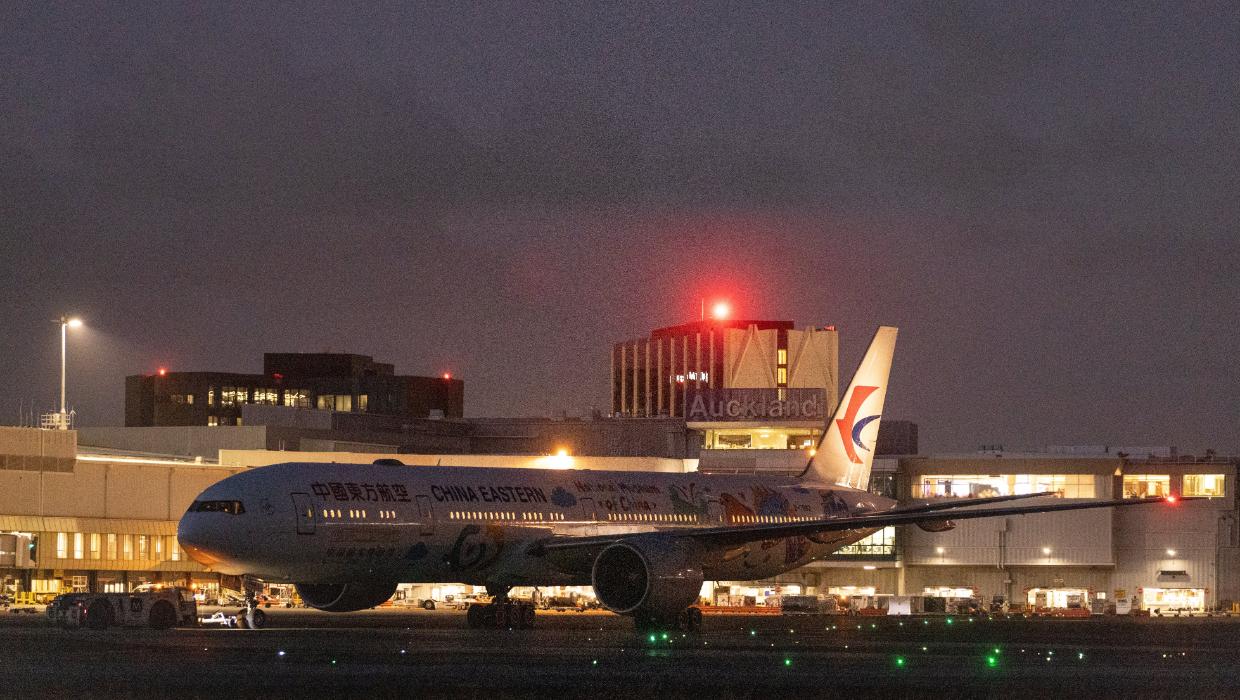
The largest airports in New Zealand have faced a setback following their unsuccessful challenge in the High Court regarding the Commerce Commission’s revised methods for calculating the cost of capital. The review was initiated by Auckland, Wellington, and Christchurch international airports, along with the New Zealand Airports Association, contesting changes made in 2023 that affect how the value and costs associated with airport assets are determined.
Airports in New Zealand operate under regulations imposed by the Commerce Commission due to their lack of traditional competition. This regulatory framework dictates how these airports set charges for services, including fees for aircraft take-offs and landings, as well as passenger terminal facilities. The commission assesses what constitutes reasonable profits and provides airports with input methodologies that detail the assumptions behind these calculations.
A significant aspect of these methodologies is the weighted average cost of capital, which represents the average cost incurred by the business to maintain its assets. In 2023, the commission conducted a review of this input to account for shifts in market conditions, notably the ongoing effects of the Covid-19 pandemic.
The High Court heard the merits review in July 2025, and today, the court ruled in favor of the Commerce Commission on all three grounds of appeal. The commission expressed satisfaction with the outcome, emphasizing its commitment to offering clarity regarding rules that govern airport pricing, service quality, and transparency.
Andy Burgess, the general manager of infrastructure regulation, stated, “The ruling supports the commission’s role in providing clarity and certainty around the rules governing airport pricing.” He added that the regulatory framework ensures that regulated airports can achieve a reasonable return on investments while protecting consumers from excessive charges.
One of the airports’ arguments centered on alleged technical errors within some calculations used in the input methodologies. In response, the commission indicated it would consider making adjustments to address these issues.
Additional legal proceedings related to this case remain pending and could significantly influence future regulatory frameworks. The commission plans to review these developments in due course.
In light of the ruling, Auckland Airport is currently assessing the implications of the judgment. Earlier this year, the airport had to lower its targeted returns when the commission deemed them excessively high, despite its projected investments of around $4 billion being within a reasonable range. As a result, Auckland Airport announced plans to reduce airline passenger charges in response to the commission’s findings.
In a separate matter, Air New Zealand and Qantas have lodged an appeal against the High Court’s ruling concerning their recent judicial review application, which aimed to overturn the 2023 input methodologies determination.








New $25 Million Funding Boosts Hospital Capacity Ahead of Winter

Discover Sleep Space’s Affordable Bach Bed Packages Today

Jury Dismissed in Sexual Assault Trial Over Misguided Questions

Wellington’s New Gallery Unveils Community-Driven Art Exhibition

All Whites Face Challenges as Injuries Strike Before World Cup

Heroic Bystander Rescues Swimmers from Dangerous Surf in Napier

Nina Oyama Returns to Crime Comedy in Deadloch Season 2

China Southern Airlines Offers Reliable Journey from Auckland to Vietnam

Nina Oyama Returns to Deadloch for Anticipated Season 2

Community Mourns Teens Lost in Mount Maunganui Landslide

Tributes Pour In for Lachlan Rofe, Reality Star, Dead at 47

Private Funeral Held for Dean Field and His Three Children

Funeral Planned for Field Siblings After Tragic House Fire

Netball New Zealand Stands Down Dame Noeline Taurua for Series

Al Waha Motors Opens Flagship Jetour Showroom in Al Khor

Julian Dennison Ties the Knot with Christian Baledrokadroka in New Zealand

Auckland’s Average Rent Surpasses $700 for Three-Bedroom Homes

New Research Reveals Simple Path to Enhanced Happiness
-
 Top Stories7 months ago
Community Mourns Teens Lost in Mount Maunganui Landslide
-
 Entertainment11 months ago
Tributes Pour In for Lachlan Rofe, Reality Star, Dead at 47
-
 World9 months ago
Private Funeral Held for Dean Field and His Three Children
-
 Top Stories9 months ago
Funeral Planned for Field Siblings After Tragic House Fire
-
 Sports11 months ago
Netball New Zealand Stands Down Dame Noeline Taurua for Series
-
 Health7 months ago
Al Waha Motors Opens Flagship Jetour Showroom in Al Khor
-
 Entertainment7 months ago
Julian Dennison Ties the Knot with Christian Baledrokadroka in New Zealand
-
 Business7 months ago
Auckland’s Average Rent Surpasses $700 for Three-Bedroom Homes
-
 Science10 months ago
New Research Reveals Simple Path to Enhanced Happiness
-

 Entertainment10 months ago
New ‘Maverick’ Chaser Joins Beat the Chasers Season Finale
-

 Lifestyle11 months ago
Maia Wilson Faces Backlash Following Taurua’s Suspension
-

 Sports10 months ago
All Blacks Star Damian McKenzie and Partner Announce Baby News