
Business
Pacific Healthcare Tackles Climate Challenges with Innovative Solutions

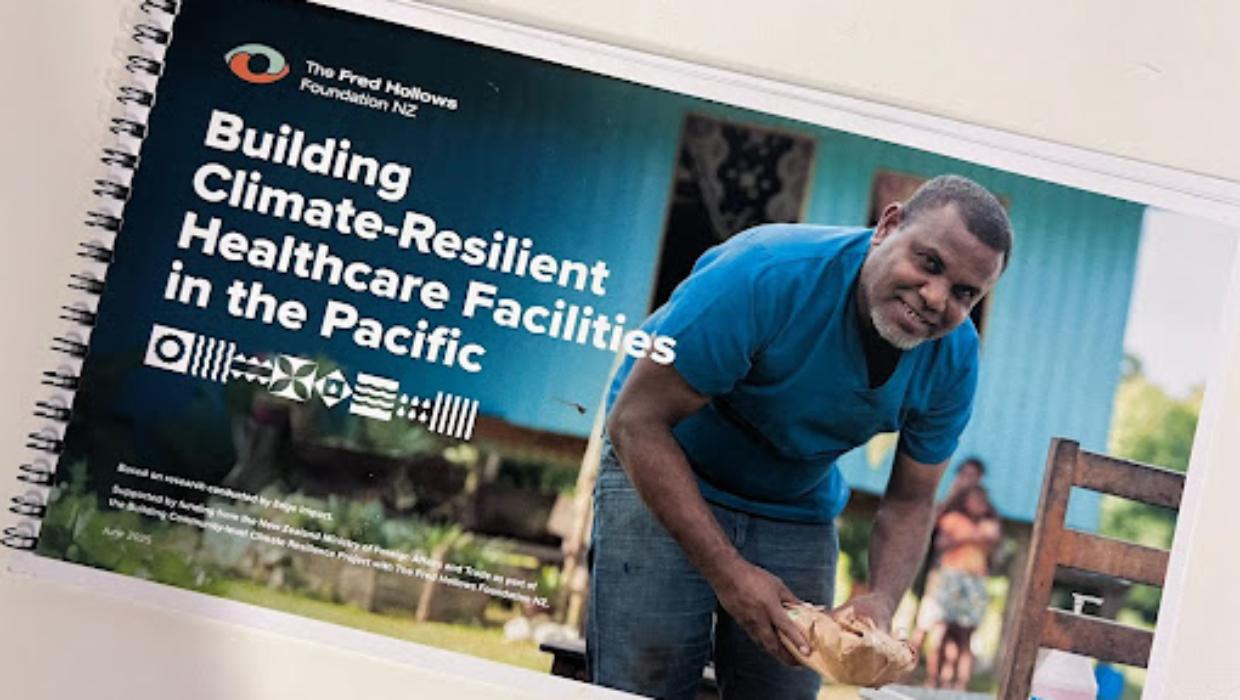
A recent report, funded by the Ministry of Foreign Affairs and Trade (MFAT), highlights how sustainable, well-designed healthcare facilities can significantly mitigate climate-related threats while improving patient outcomes. The findings emphasize that investing in environmentally friendly infrastructure not only helps save lives but also reduces healthcare costs in the long run.
The report draws attention to the increasing vulnerability of healthcare systems to climate change, particularly in regions like New Zealand. As extreme weather events become more frequent, the need for resilient healthcare facilities has never been more urgent. These facilities are designed to adapt to environmental changes, ensuring they remain operational during crises.
Innovative Design and Cost Efficiency
The research outlines specific examples of how innovative design can lead to both improved patient care and economic savings. For instance, facilities that incorporate renewable energy sources and efficient waste management systems are found to lower operational costs while minimizing their environmental impact. According to the report, transitioning to such sustainable practices could reduce healthcare costs by up to 30% over the next decade.
Furthermore, the report indicates that these improved facilities can lead to better health outcomes. Well-designed spaces can enhance patient comfort and recovery rates. By fostering a healing environment, healthcare providers can reduce the length of hospital stays and the incidence of complications.
Emerging Solutions and Future Directions
The findings advocate for a shift in policy and funding priorities to support the development of sustainable healthcare infrastructure. Stakeholders are encouraged to collaborate on innovative projects that address both climate resilience and healthcare delivery.
Several pilot projects are already underway, demonstrating the potential of these sustainable models. For example, a new facility in Auckland, which incorporates green building standards, aims to serve as a benchmark for future developments. This facility not only prioritizes energy efficiency but also focuses on creating a community-centric approach to healthcare.
As the global community grapples with the realities of climate change, the report serves as a call to action for healthcare systems worldwide. By prioritizing sustainable design, healthcare providers can contribute to climate resilience while ensuring the well-being of their communities.
The implications of this research extend beyond New Zealand, influencing healthcare policy and infrastructure planning in various regions. The integration of sustainable practices into healthcare systems may soon become a standard, promoting both health and environmental sustainability on a global scale.










New $25 Million Funding Boosts Hospital Capacity Ahead of Winter

Discover Sleep Space’s Affordable Bach Bed Packages Today

Jury Dismissed in Sexual Assault Trial Over Misguided Questions

Wellington’s New Gallery Unveils Community-Driven Art Exhibition

All Whites Face Challenges as Injuries Strike Before World Cup

Heroic Bystander Rescues Swimmers from Dangerous Surf in Napier

Nina Oyama Returns to Crime Comedy in Deadloch Season 2

China Southern Airlines Offers Reliable Journey from Auckland to Vietnam

Nina Oyama Returns to Deadloch for Anticipated Season 2

Community Mourns Teens Lost in Mount Maunganui Landslide

Tributes Pour In for Lachlan Rofe, Reality Star, Dead at 47

Private Funeral Held for Dean Field and His Three Children

Funeral Planned for Field Siblings After Tragic House Fire

Al Waha Motors Opens Flagship Jetour Showroom in Al Khor

Netball New Zealand Stands Down Dame Noeline Taurua for Series

Julian Dennison Ties the Knot with Christian Baledrokadroka in New Zealand

Auckland’s Average Rent Surpasses $700 for Three-Bedroom Homes

New Research Reveals Simple Path to Enhanced Happiness
-
 Top Stories7 months ago
Community Mourns Teens Lost in Mount Maunganui Landslide
-
 Entertainment12 months ago
Tributes Pour In for Lachlan Rofe, Reality Star, Dead at 47
-
 World9 months ago
Private Funeral Held for Dean Field and His Three Children
-
 Top Stories9 months ago
Funeral Planned for Field Siblings After Tragic House Fire
-
 Health7 months ago
Al Waha Motors Opens Flagship Jetour Showroom in Al Khor
-
 Sports12 months ago
Netball New Zealand Stands Down Dame Noeline Taurua for Series
-
 Entertainment7 months ago
Julian Dennison Ties the Knot with Christian Baledrokadroka in New Zealand
-
 Business8 months ago
Auckland’s Average Rent Surpasses $700 for Three-Bedroom Homes
-
 Science10 months ago
New Research Reveals Simple Path to Enhanced Happiness
-

 Entertainment11 months ago
New ‘Maverick’ Chaser Joins Beat the Chasers Season Finale
-

 Lifestyle11 months ago
Maia Wilson Faces Backlash Following Taurua’s Suspension
-

 Sports10 months ago
All Blacks Star Damian McKenzie and Partner Announce Baby News