
Business
Seven Essential Steps to Maximize Tomato Yield This Season

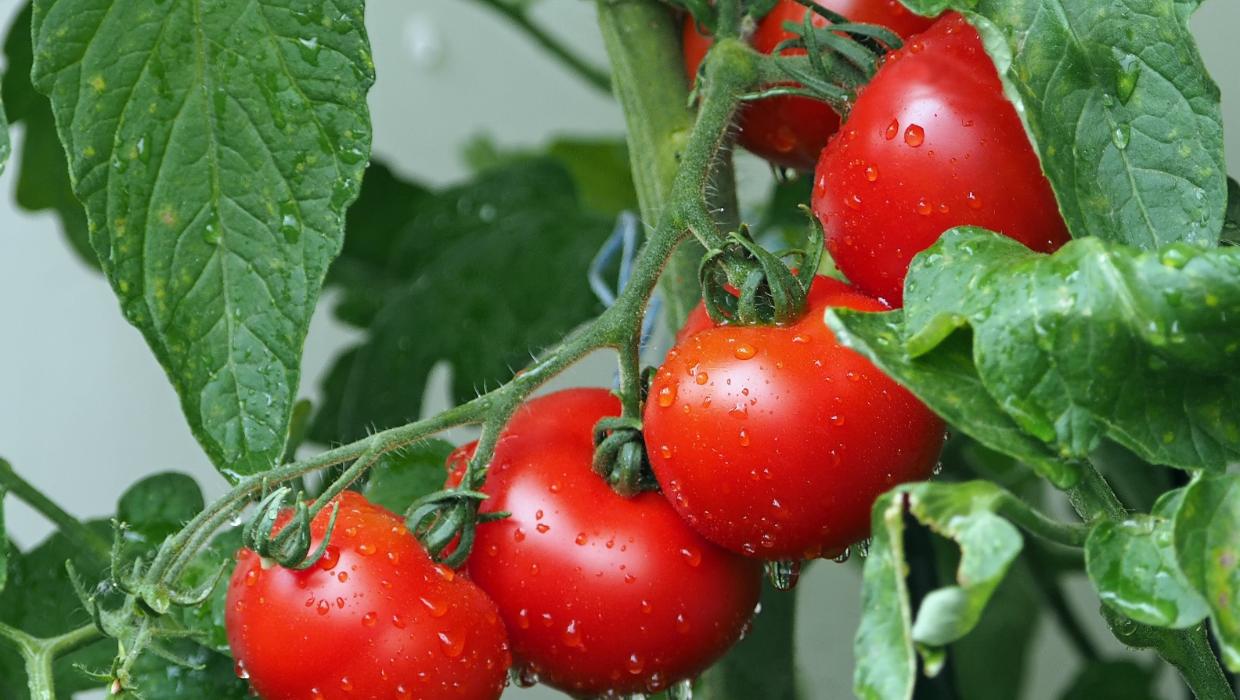
As tomato plants transition from vigorous leafy growth to fruit production, gardeners can implement seven key practices to enhance yield and quality. These steps, based on insights from experienced horticulturists, focus on supporting plants, maintaining proper nutrition, and managing environmental factors.
Support and Nutrition for Thriving Plants
Tomato plants bear substantial weight as they begin to produce fruit, necessitating effective support. Regularly check ties and ensure that plants are securely fastened to stakes, frames, or strings. Loose ties can cause stem damage, while unsupported branches may snap under the weight of ripening fruit. Use soft ties or strips of old fabric, allowing for some growth without constricting the stem.
In addition to support, nutrition plays a vital role in fruit development. According to expert gardener Phil Thomsen, once flowering begins, tomatoes require consistent feeding with a liquid fertilizer every two weeks. Transition to a tomato-specific feed that is higher in potassium to facilitate better nutrient transport within the plant. This results in juicier, sweeter tomatoes.
Managing Plant Health and Stress
Maintaining a healthy tomato plant involves regular leaf management. Remove yellowing leaves and excessive foliage, which can indicate stress, nutrient deficiencies, or disease. This practice not only improves air circulation but also helps prevent fungal diseases like powdery mildew. Thomsen advocates for continued removal of unproductive lateral shoots, which can compete for resources without contributing to fruit production.
Watering practices are equally crucial. Tomatoes thrive on consistent moisture; hence, avoid letting plants dry out and then overwatering them. Uneven watering can lead to blossom end rot, characterized by brown, sunken patches on fruit. To mitigate this risk, consider mulching to regulate soil moisture, particularly during hot spells.
Pest Management and Crop Planning
As summer arrives, gardeners should remain vigilant for pests that can damage crops. The tomato fruit worm is notorious for burrowing into fruit, often causing significant damage just before harvest. Organic pest control options, such as Yates Success or Kiwicare Organic Caterpillar Bio Control, are effective when applied early. Additionally, whitefly can be a nuisance, clustering on the undersides of leaves. Treatments with pyrethrum-based sprays, such as Nature’s Way Pyrethrum, can help manage these pests.
Looking beyond the current growing season, now is an opportune time to consider winter crops. For instance, leeks require a lengthy growth period and are best started early. If summer crops occupy all available space, seeds for leeks and brassicas can be sown in trays for later transplantation. This staggered planting approach ensures a continuous harvest throughout the year.
In regions where early frosts are not a concern, gardeners may also want to consider a second potato crop. Varieties like Agria and Rua mature in about 100 days, providing an additional yield before the cold sets in.
Harvesting with the Moon Phases
Timing can also be influenced by lunar phases. From January 17 to 20, gardeners are advised to take a moment to prepare beds, sharpen tools, and plan their tasks. The period from January 21 to 24 offers a favorable window for sowing leafy crops, as the moon phase supports above-ground growth. Planting dwarf beans, lettuces, and silverbeet during this time can yield quick results.
The importance of observing environmental conditions cannot be overstated. During the Tangaroa phase, from the 10th to the 14th of the month, gardeners should be especially attentive to signs of plant stress, ensuring adequate water supply to maintain healthy growth.
Implementing these seven strategies will not only boost tomato production but also enhance the overall health of the garden. By focusing on support, nutrition, and environmental management, gardeners can look forward to a fruitful season.



New $25 Million Funding Boosts Hospital Capacity Ahead of Winter

Discover Sleep Space’s Affordable Bach Bed Packages Today

Jury Dismissed in Sexual Assault Trial Over Misguided Questions

Wellington’s New Gallery Unveils Community-Driven Art Exhibition

All Whites Face Challenges as Injuries Strike Before World Cup

Heroic Bystander Rescues Swimmers from Dangerous Surf in Napier

Nina Oyama Returns to Crime Comedy in Deadloch Season 2

China Southern Airlines Offers Reliable Journey from Auckland to Vietnam

Nina Oyama Returns to Deadloch for Anticipated Season 2

Community Mourns Teens Lost in Mount Maunganui Landslide

Tributes Pour In for Lachlan Rofe, Reality Star, Dead at 47

Private Funeral Held for Dean Field and His Three Children

Funeral Planned for Field Siblings After Tragic House Fire

Netball New Zealand Stands Down Dame Noeline Taurua for Series

Julian Dennison Ties the Knot with Christian Baledrokadroka in New Zealand

New Research Reveals Simple Path to Enhanced Happiness

New ‘Maverick’ Chaser Joins Beat the Chasers Season Finale

Maia Wilson Faces Backlash Following Taurua’s Suspension
-
 Top Stories6 months ago
Community Mourns Teens Lost in Mount Maunganui Landslide
-
 Entertainment10 months ago
Tributes Pour In for Lachlan Rofe, Reality Star, Dead at 47
-
 World8 months ago
Private Funeral Held for Dean Field and His Three Children
-
 Top Stories8 months ago
Funeral Planned for Field Siblings After Tragic House Fire
-
 Sports10 months ago
Netball New Zealand Stands Down Dame Noeline Taurua for Series
-
 Entertainment6 months ago
Julian Dennison Ties the Knot with Christian Baledrokadroka in New Zealand
-
 Science9 months ago
New Research Reveals Simple Path to Enhanced Happiness
-
 Entertainment9 months ago
New ‘Maverick’ Chaser Joins Beat the Chasers Season Finale
-
 Lifestyle9 months ago
Maia Wilson Faces Backlash Following Taurua’s Suspension
-

 Sports9 months ago
All Blacks Star Damian McKenzie and Partner Announce Baby News
-

 Sports10 months ago
Silver Ferns Legend Laura Langman Criticizes Team’s Attitude
-

 Health6 months ago
Al Waha Motors Opens Flagship Jetour Showroom in Al Khor