
Business
Solvar Faces Legal Action Over Go Car Finance Lending Practices

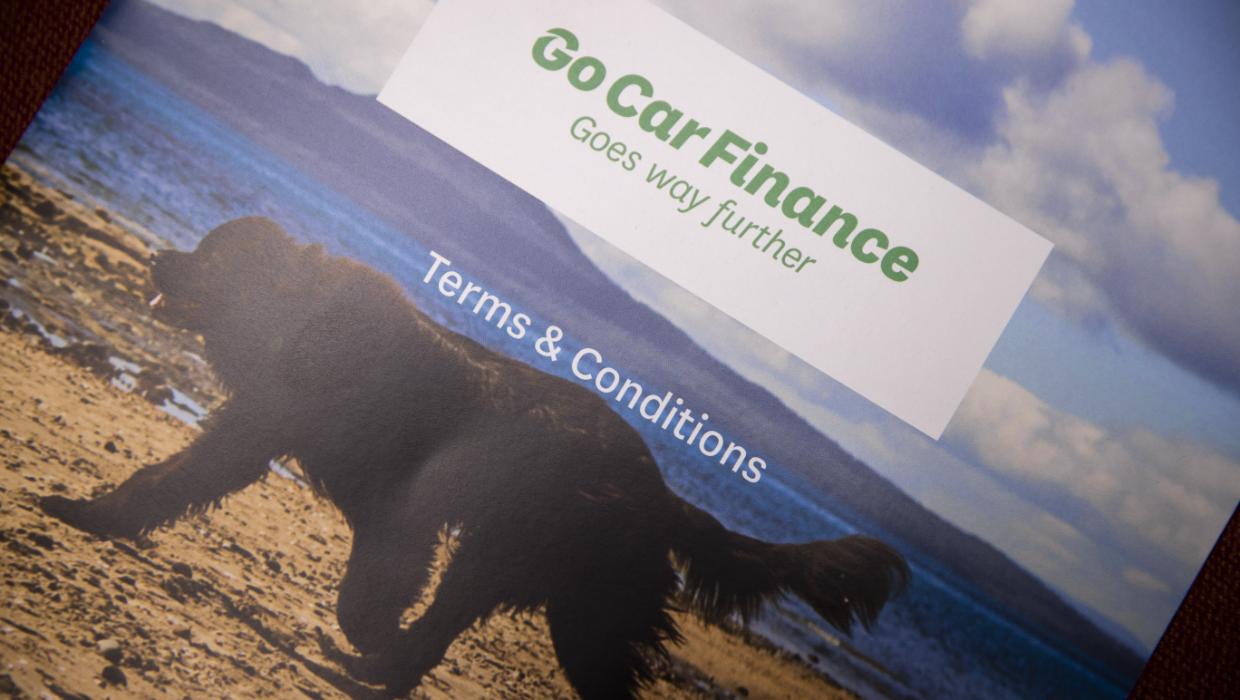
The Australian lender Solvar has lost its attempt to extricate itself from a legal case initiated by New Zealand’s Commerce Commission. The commission alleges that Solvar’s subsidiary, Go Car Finance, engaged in irresponsible lending practices over several years, specifically from 2019 to 2022. The case focuses on loans made to individuals purchasing second-hand vehicles, with claims that Go Car failed to adhere to the lender responsibility principles mandated by the Credit Contracts and Consumer Finance Act (CCCFA).
The commission contends that Go Car did not adequately assess whether its loans were suitable for borrowers’ needs and objectives. Furthermore, it argues that the lender neglected to ensure borrowers could make repayments without facing substantial hardship. The commission is pursuing orders for Go Car Finance to pay statutory damages to affected borrowers and seeks to have any outstanding amounts waived for those whose vehicles were repossessed.
Go Car Finance has ceased lending operations after complaints from financial mentors representing struggling borrowers prompted the commission’s investigation. Among the significant issues raised were concerns regarding the use of remotely-activated immobilisers, which allowed the lender to disable vehicles of borrowers who missed payments.
In a hearing held in June, Solvar requested the Auckland High Court to dismiss its involvement in the commission’s action. Solvar claimed that while it is the parent company of Go Car, the mere ownership does not establish the necessary connection for the CCCFA to apply to it in Australia. The company maintained that the commission must prove that Solvar intentionally directed or agreed to Go Car’s alleged failures.
The commission countered by asserting that Solvar exercised control over Go Car and was directly involved in various aspects of its operations, including its credit and risk functions. The commission expressed concerns that Solvar might be attempting to evade liability by selling or transferring Go Car’s loan portfolio, potentially leaving the company without assets to cover any penalties or damages.
In a ruling delivered at the end of last month, Justice Paul Cogswell of the Auckland High Court stated, “I consider that the Commission has demonstrated a plausible and not speculative claim that Solvar controlled Go Car’s lending function.” He added that Solvar could still be held liable for Go Car’s actions in New Zealand if it is found to have directed, consented, or agreed to those practices.
In November, Solvar informed investors on the ASX, where its shares are traded, that it had sold its New Zealand loan portfolio for A$8 million, with the potential to increase by an additional A$1.4 million depending on the recovery of funds from borrowers. Solvar’s managing director, Scott Baldwin, commented that the New Zealand loan book had been valued at zero on Solvar’s balance sheet, making the sale an “excellent outcome.”
As the legal proceedings continue, the implications for Solvar and Go Car Finance could reshape lending practices in New Zealand and raise questions about the responsibilities of parent companies in overseeing their subsidiaries.



New $25 Million Funding Boosts Hospital Capacity Ahead of Winter

Discover Sleep Space’s Affordable Bach Bed Packages Today

Jury Dismissed in Sexual Assault Trial Over Misguided Questions

Wellington’s New Gallery Unveils Community-Driven Art Exhibition

All Whites Face Challenges as Injuries Strike Before World Cup

Heroic Bystander Rescues Swimmers from Dangerous Surf in Napier

Nina Oyama Returns to Crime Comedy in Deadloch Season 2

China Southern Airlines Offers Reliable Journey from Auckland to Vietnam

Nina Oyama Returns to Deadloch for Anticipated Season 2

Community Mourns Teens Lost in Mount Maunganui Landslide

Tributes Pour In for Lachlan Rofe, Reality Star, Dead at 47

Private Funeral Held for Dean Field and His Three Children

Funeral Planned for Field Siblings After Tragic House Fire

Netball New Zealand Stands Down Dame Noeline Taurua for Series

Julian Dennison Ties the Knot with Christian Baledrokadroka in New Zealand

New Research Reveals Simple Path to Enhanced Happiness

New ‘Maverick’ Chaser Joins Beat the Chasers Season Finale

Maia Wilson Faces Backlash Following Taurua’s Suspension
-
 Top Stories6 months ago
Community Mourns Teens Lost in Mount Maunganui Landslide
-
 Entertainment10 months ago
Tributes Pour In for Lachlan Rofe, Reality Star, Dead at 47
-
 World8 months ago
Private Funeral Held for Dean Field and His Three Children
-
 Top Stories8 months ago
Funeral Planned for Field Siblings After Tragic House Fire
-
 Sports10 months ago
Netball New Zealand Stands Down Dame Noeline Taurua for Series
-
 Entertainment6 months ago
Julian Dennison Ties the Knot with Christian Baledrokadroka in New Zealand
-
 Science9 months ago
New Research Reveals Simple Path to Enhanced Happiness
-
 Entertainment9 months ago
New ‘Maverick’ Chaser Joins Beat the Chasers Season Finale
-
 Lifestyle9 months ago
Maia Wilson Faces Backlash Following Taurua’s Suspension
-

 Sports9 months ago
All Blacks Star Damian McKenzie and Partner Announce Baby News
-

 Sports10 months ago
Silver Ferns Legend Laura Langman Criticizes Team’s Attitude
-

 Health6 months ago
Al Waha Motors Opens Flagship Jetour Showroom in Al Khor