
Health
Chinese Study Indicates Benefits of Moderate Animal Fat Intake

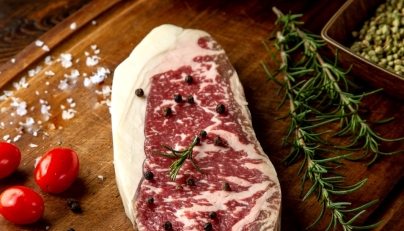
A recent study from researchers at Hunan Agricultural University and South University in Beijing has revealed that a diet containing a moderate amount of animal fat may help reduce fat accumulation and inflammation in adipose tissue. The findings challenge the prevailing notion that all animal fats are harmful, suggesting that their moderate consumption can be beneficial when included as part of a balanced diet.
The study highlights that consuming fats within the recommended proportion—around 25 percent of total dietary energy intake—can improve metabolism and regulate adipose tissue balance. This contrasts sharply with the traditional view that emphasizes low-fat diets, particularly those rich in plant-based foods.
Study Findings and Methodology
Conducted over a period of 24 weeks, the experiments involved feeding mice a diet where 25 percent of their caloric intake came from fats. The results indicated that animal fat was more effective than vegetable oils in reducing fat accumulation. The researchers attributed this efficacy to higher levels of taurocholic acid, a compound that enhances fat absorption and mitigates inflammatory processes.
Additionally, the researchers discovered that animal fats contain beneficial fatty acids known to increase insulin sensitivity and aid in blood sugar regulation. These findings suggest that moderate consumption of animal fats could play a role in preventing metabolic disorders.
Context and Cautions
While the study presents a compelling case for the potential benefits of moderate animal fat intake, the researchers caution against excessive consumption. They emphasized that the positive outcomes observed do not negate the risks associated with high fat intake. This sentiment is supported by a separate study published in August 2022 by Vietnamese scientists, which indicated adverse effects linked to high-fat diets.
The implications of this research are significant, prompting a re-evaluation of dietary guidelines that have long discouraged the consumption of animal fats. As this study gains attention, it may contribute to a broader conversation about dietary fats and their role in health and wellness.
Overall, the findings from this study provide valuable insights into the complex relationship between dietary fats and health, suggesting that moderation may be key in achieving a balanced diet.













James Watt Falls to Jenson Brooksby in ASB Classic First Round

Critical Condition After Water Incident in Opotiki Property

Kimberley Crossman Embraces Motherhood: A Journey of Resilience

Agoda Unveils AI Booking Bot to Enhance Traveler Confidence

Golden Globes 2026: Anticipation Builds for Winners and Highlights

Greyhound Tests Positive for Meth After Racing Triumph

Rare Superman Comic Fetches Record $26 Million at Auction

David Seymour Champions Coalition Stability as Election Approaches

Dylan Pledger Faces Year Out After ACL Injury During Training

Private Funeral Held for Dean Field and His Three Children

Funeral Planned for Field Siblings After Tragic House Fire

Netball New Zealand Stands Down Dame Noeline Taurua for Series

Tributes Pour In for Lachlan Rofe, Reality Star, Dead at 47

New ‘Maverick’ Chaser Joins Beat the Chasers Season Finale

Silver Ferns Legend Laura Langman Criticizes Team’s Attitude

Eli Katoa Rushed to Hospital After Sideline Incident During Match

Netball NZ Calls for Respect Amid Dame Taurua’s Standoff

Investigation Underway in Tragic Sanson House Fire Involving Family
-
 World2 months ago
Private Funeral Held for Dean Field and His Three Children
-
 Top Stories2 months ago
Funeral Planned for Field Siblings After Tragic House Fire
-
 Sports4 months ago
Netball New Zealand Stands Down Dame Noeline Taurua for Series
-
 Entertainment4 months ago
Tributes Pour In for Lachlan Rofe, Reality Star, Dead at 47
-
 Entertainment3 months ago
New ‘Maverick’ Chaser Joins Beat the Chasers Season Finale
-
 Sports4 months ago
Silver Ferns Legend Laura Langman Criticizes Team’s Attitude
-
 Sports2 months ago
Eli Katoa Rushed to Hospital After Sideline Incident During Match
-
 Politics3 months ago
Netball NZ Calls for Respect Amid Dame Taurua’s Standoff
-
 World2 months ago
Investigation Underway in Tragic Sanson House Fire Involving Family
-

 Sports4 weeks ago
Nathan Williamson’s Condition Improves Following Race Fall
-

 Entertainment1 month ago
Jacinda Ardern Discusses Popularity Decline on Graham Norton Show
-

 World3 weeks ago
Investigation Launched Following Boat Fire at Lake Taupō