
Health
Revamping Mental Healthcare: A Call to Action for Pacific Communities

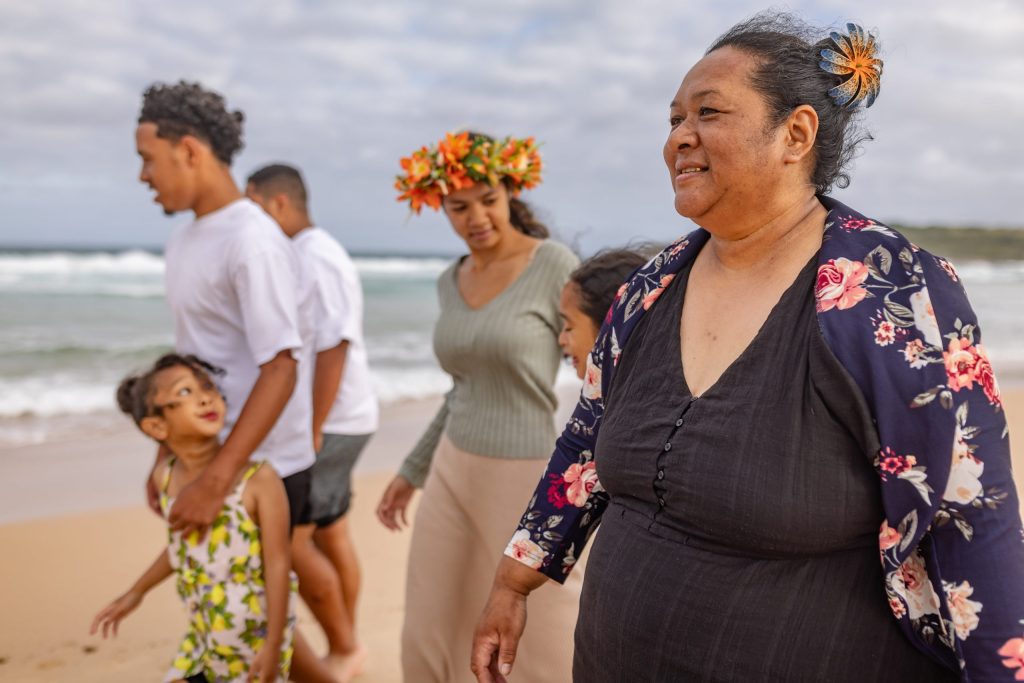
Mental health services for Pacific communities must evolve beyond traditional Western frameworks that focus solely on individual illness and clinical treatment. Recent findings reveal that Pacific peoples—especially in Aotearoa New Zealand—experience psychological distress at rates nearly 1.5 times higher than their non-Pacific counterparts. Despite this urgent need, these communities remain significantly underserved within the existing mental health system.
Research published in the Journal of the Royal Society of New Zealand highlights a critical disconnect between mainstream mental health services and the cultural values of Pacific peoples. A survey involving 548 Pacific participants, aged between 16 and 83, explored their perceptions of depression and effective support mechanisms. Participants described depression in terms aligned with clinical diagnostics, recognizing symptoms like low mood and loss of motivation. However, their suggested responses diverged from typical Western recommendations, emphasizing the importance of familial and community connections. Common advice included “talk to your siblings,” “reach out to your church community,” and “speak to someone you trust,” rather than seeking clinical help first.
The survey also revealed a strong consensus on the harmful nature of alcohol and drug use as coping mechanisms. Even traditional beverages like kava were viewed negatively by most respondents. While Pacific peoples acknowledge the value of clinical expertise, they assert that healing must be holistic, integrating formal care with the informal support systems intrinsic to their cultures.
To provide effective mental health services for Pacific peoples, it is crucial to respect their interconnected values of culture, family, and spirituality. The concept of vā—which refers to the sacred space between individuals and their environments—underscores the need for harmony and balance in relationships. This perspective challenges the prevailing focus on individual diagnoses and treatments, which can feel disconnected from communal realities.
The need for change is further underscored by Pesetā Dr. Veronica Tone-Graham, a clinical psychologist and researcher at the University of Auckland. Recently awarded a Pacific Health Research Postdoctoral Fellowship from the Health Research Council, she aims to explore the effectiveness of family therapy for Pacific peoples. By collaborating with families and community stakeholders, her research seeks to develop a framework for family therapy that aligns with Pacific cultural practices. This collaborative effort is vital for informing clinical practice and shaping policy for a more responsive mental health service.
Moving forward, the pathway to improvement necessitates a shift in how mental health services are designed and delivered. Clinicians need training that goes beyond cultural competency checklists; they must genuinely engage with Pacific models of wellbeing. Investment in Pacific-led community initiatives that already operate on limited budgets is essential. Mental health services should prioritize family involvement, respect spiritual dimensions, and view community leaders as partners in care.
New Zealand’s inaugural Pacific Health Strategy, Te Mana Ola, outlines a vision for achieving equity in mental health care over the next decade. However, without adequately resourced and community-driven implementation, this strategy risks remaining mere rhetoric.
In summary, the call for reform in mental healthcare for Pacific communities is clear. It requires humility, understanding, and actionable steps to bridge the gap between traditional practices and modern healthcare systems. Recognizing the holistic nature of wellbeing in Pacific cultures will facilitate a more inclusive and effective approach, ultimately benefiting individuals and communities alike.













Daily Multivitamins May Slow Biological Ageing, Research Finds

Formula 1 Drivers Depart Australia Quickly to Protect Earnings

New Zealand Government Maintains Ban on Live Animal Exports

Former Black Cap Luke Woodcock Faces Terminal Cancer Diagnosis

Brookfield Asset Management Targets $250 Million Hotel Acquisition

Split Enz Announces Auckland Concerts, Fans Eager for More

Waihī Beach Medical Centre Proposal Withdrawn Amid Community Pushback

Assessing the Value of Seven-Seater SUVs for Families

New Zealand Faces Responsibility for Future Pandemic Preparedness

Community Mourns Teens Lost in Mount Maunganui Landslide

Tributes Pour In for Lachlan Rofe, Reality Star, Dead at 47

Private Funeral Held for Dean Field and His Three Children

Funeral Planned for Field Siblings After Tragic House Fire

Netball New Zealand Stands Down Dame Noeline Taurua for Series

Julian Dennison Ties the Knot with Christian Baledrokadroka in New Zealand

New ‘Maverick’ Chaser Joins Beat the Chasers Season Finale

New Research Reveals Simple Path to Enhanced Happiness

Silver Ferns Legend Laura Langman Criticizes Team’s Attitude
-
 Top Stories2 months ago
Community Mourns Teens Lost in Mount Maunganui Landslide
-
 Entertainment6 months ago
Tributes Pour In for Lachlan Rofe, Reality Star, Dead at 47
-
 World4 months ago
Private Funeral Held for Dean Field and His Three Children
-
 Top Stories4 months ago
Funeral Planned for Field Siblings After Tragic House Fire
-
 Sports6 months ago
Netball New Zealand Stands Down Dame Noeline Taurua for Series
-
 Entertainment2 months ago
Julian Dennison Ties the Knot with Christian Baledrokadroka in New Zealand
-
 Entertainment5 months ago
New ‘Maverick’ Chaser Joins Beat the Chasers Season Finale
-
 Science5 months ago
New Research Reveals Simple Path to Enhanced Happiness
-
 Sports6 months ago
Silver Ferns Legend Laura Langman Criticizes Team’s Attitude
-

 Sports4 months ago
Eli Katoa Rushed to Hospital After Sideline Incident During Match
-

 Sports5 months ago
All Blacks Star Damian McKenzie and Partner Announce Baby News
-

 Sports3 months ago
Nathan Williamson’s Condition Improves Following Race Fall