
Lifestyle
New Specialist Schools to Open for Children with High Needs

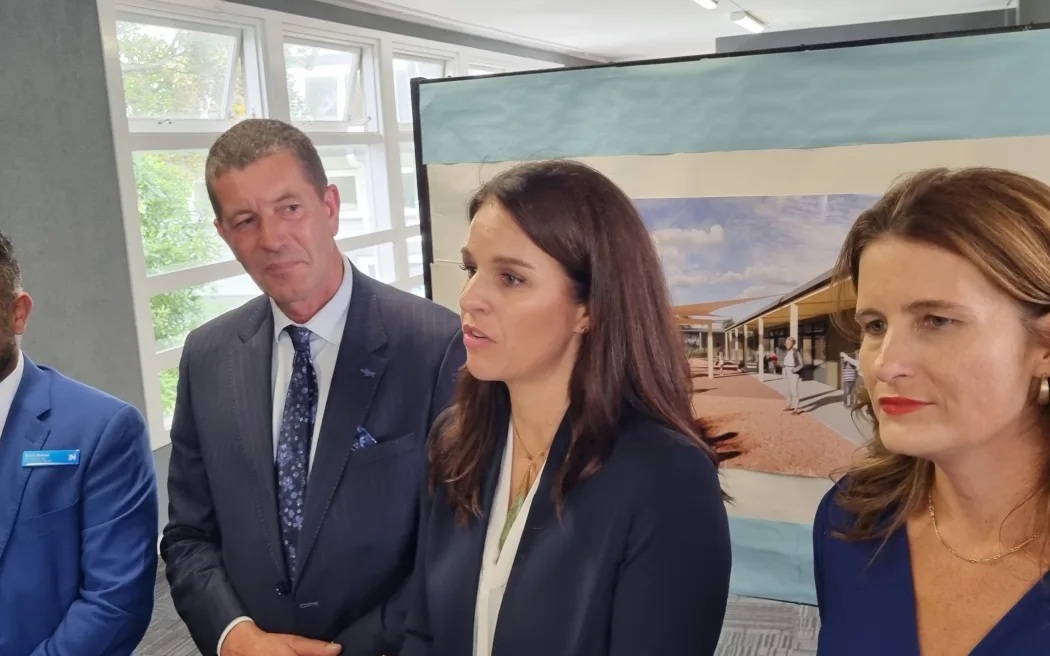
The New Zealand government has announced funding for two new specialist schools designed to support children with high needs and disabilities. This significant development marks the first construction of specialist schools in the country in over 50 years. Education Minister Erica Stanford emphasized that these new institutions will provide parents with more choices regarding education for their children.
The announcement took place at Queen Elizabeth College in Palmerston North on Thursday, where both Stanford and Finance Minister Nicola Willis outlined the details. One of the new schools is set to open in Term 2 of 2027 at the college’s campus, while the second will be established next to Ngākōroa School in Drury, South Auckland, expected to commence operations in Term 1 of 2028. The combined cost of these projects is estimated at around $40 million.
Government’s Commitment to Education
Stanford stated that the introduction of these schools is overdue and responds to the growing demand from parents for specialized education options. “The debate has raged for so long about specialist schools that we have not built one in 50 years, and the demand, as we know from parents, is enormous,” she remarked. According to Stanford, these schools are essential components of the education system, allowing parents to choose between specialist schools, satellite classrooms, or mainstream educational settings.
The government has previously invested in the education sector, funding 50 new specialist classrooms as well as redevelopment projects at four existing specialist schools. With the addition of these two new institutions, New Zealand will have a total of 29 specialist schools, the first to be established since Hamilton North School opened in 1977.
Willis highlighted the commitment of the government to support children requiring additional assistance, referring to an additional $746.9 million allocated in last year’s budget. She emphasized that the new schools would provide crucial choices for parents who feel their children are not in the right educational environment, a choice that can be life-changing.
Concerns About Inclusion in Education
Despite the positive responses from the government, some education professionals have raised concerns regarding the funding and support for mainstream education. Dr. Jude MacArthur, a senior lecturer at Auckland University and a committee member for the Inclusive Education Action Group, expressed disappointment over the announcement. She pointed out that approximately 12,000 children receive funding for high needs, but only a third are currently enrolled in specialist schools. The remaining children are placed in mainstream settings, which she argues need more support and resources.
MacArthur referenced decades of research indicating that segregation in education is detrimental to children. She quoted the late advocate Sir Robert Martin, who questioned the existence of specialist schools in a society that should be inclusive. “Inclusive education is really about supporting disabled children to stay in their local communities, to have friends in those local schools,” she stated.
Furthermore, educators have long advocated for increased funding for teacher aides to ensure that every classroom is equipped to support students with high needs, a request that has yet to be fulfilled.
While the announcement evoked mixed feelings, the president of the Specialist Education Principals’ Association of New Zealand, Maureen Poulter, expressed her emotional response to the news. She described the announcement as a significant step forward, particularly for the students and families that these new schools will serve. Poulter, who leads Ferndale Te Ahu School in Christchurch, noted the historical lack of investment in specialist schools, a situation highlighted in a recent 2024 Education Review Office Report that pointed to many facilities being in disrepair.
“It’s about what’s good for these young people and their whānau,” Poulter said, reflecting on the profound impact the new schools will have. She emphasized the expertise that specialist schools bring to the education sector, noting their commitment to training teachers to meet the complex needs of their students.
The establishment of these new specialist schools is positioned as a transformative opportunity for children with high needs in New Zealand, offering them a tailored educational environment that caters specifically to their requirements.








New $25 Million Funding Boosts Hospital Capacity Ahead of Winter

Discover Sleep Space’s Affordable Bach Bed Packages Today

Jury Dismissed in Sexual Assault Trial Over Misguided Questions

Wellington’s New Gallery Unveils Community-Driven Art Exhibition

All Whites Face Challenges as Injuries Strike Before World Cup

Heroic Bystander Rescues Swimmers from Dangerous Surf in Napier

Nina Oyama Returns to Crime Comedy in Deadloch Season 2

China Southern Airlines Offers Reliable Journey from Auckland to Vietnam

Nina Oyama Returns to Deadloch for Anticipated Season 2

Community Mourns Teens Lost in Mount Maunganui Landslide

Tributes Pour In for Lachlan Rofe, Reality Star, Dead at 47

Private Funeral Held for Dean Field and His Three Children

Funeral Planned for Field Siblings After Tragic House Fire

Netball New Zealand Stands Down Dame Noeline Taurua for Series

Al Waha Motors Opens Flagship Jetour Showroom in Al Khor

Julian Dennison Ties the Knot with Christian Baledrokadroka in New Zealand

Auckland’s Average Rent Surpasses $700 for Three-Bedroom Homes

New Research Reveals Simple Path to Enhanced Happiness
-
 Top Stories7 months ago
Community Mourns Teens Lost in Mount Maunganui Landslide
-
 Entertainment11 months ago
Tributes Pour In for Lachlan Rofe, Reality Star, Dead at 47
-
 World9 months ago
Private Funeral Held for Dean Field and His Three Children
-
 Top Stories9 months ago
Funeral Planned for Field Siblings After Tragic House Fire
-
 Sports11 months ago
Netball New Zealand Stands Down Dame Noeline Taurua for Series
-
 Health7 months ago
Al Waha Motors Opens Flagship Jetour Showroom in Al Khor
-
 Entertainment7 months ago
Julian Dennison Ties the Knot with Christian Baledrokadroka in New Zealand
-
 Business7 months ago
Auckland’s Average Rent Surpasses $700 for Three-Bedroom Homes
-
 Science10 months ago
New Research Reveals Simple Path to Enhanced Happiness
-

 Entertainment10 months ago
New ‘Maverick’ Chaser Joins Beat the Chasers Season Finale
-

 Lifestyle10 months ago
Maia Wilson Faces Backlash Following Taurua’s Suspension
-

 Sports10 months ago
All Blacks Star Damian McKenzie and Partner Announce Baby News