
Lifestyle
Rosemarie Johnson’s Legacy: First Organ Donation After Assisted Death

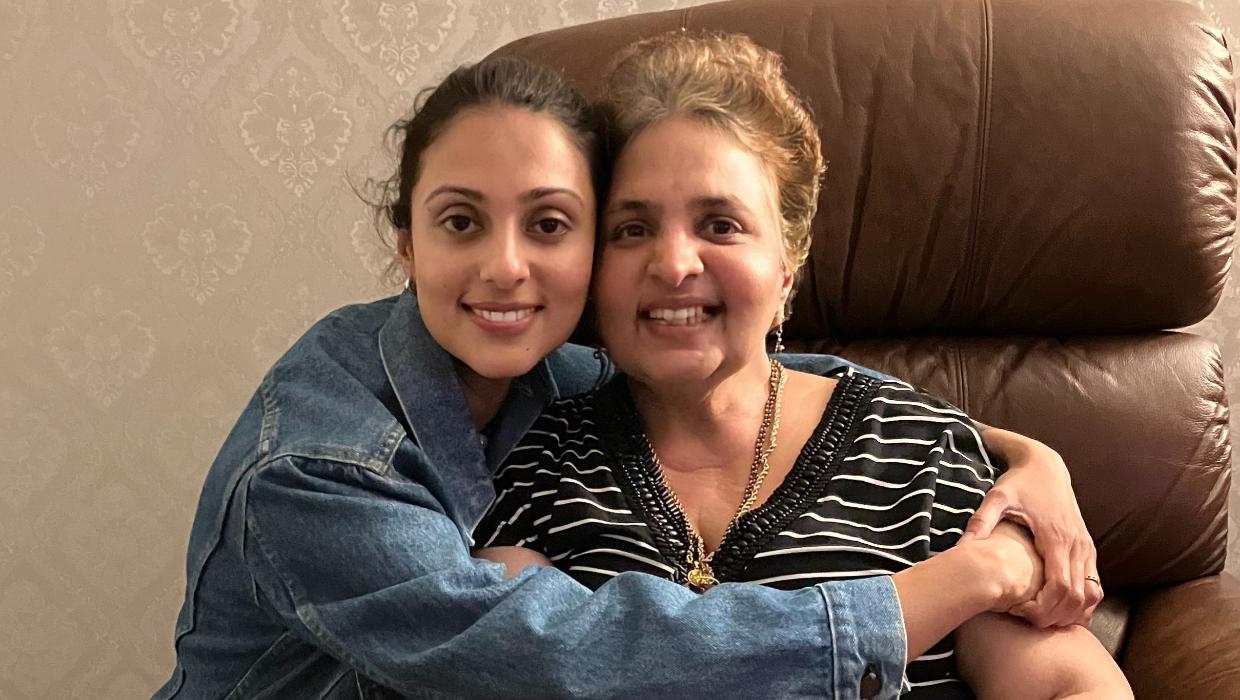
Rosemarie Johnson, a 67-year-old woman from New Zealand, made a profound decision that resulted in saving three lives through organ donation after her assisted death. This landmark event marks her as the first individual in New Zealand to donate organs following such a procedure, highlighting both the emotional and ethical dimensions of end-of-life choices.
A Pioneering Decision
In July 2023, Rosemarie opted for assisted dying due to terminal illness. With her health deteriorating, she expressed her wish to help others even in her final moments. This selfless choice not only brought hope to those in need but also opened discussions surrounding organ donation practices in the context of assisted death.
According to the New Zealand Ministry of Health, organ donation rates remain low, with many potential donors not realizing the impact they can have. Rosemarie’s decision sheds light on the importance of discussing organ donation openly, especially in cases of assisted dying where individuals have the autonomy to make informed choices about their bodies and legacies.
The Impact on Lives
Rosemarie’s organs were successfully transplanted into three recipients, each of whom had been waiting for life-saving procedures. The surgeries took place at Auckland Hospital, where medical staff praised her bravery and commitment to making a difference. The recipients, ranging in age and health conditions, now have a renewed chance at life thanks to her courageous act.
Dr. Emily Carter, a leading transplant surgeon at Auckland Hospital, stated, “Rosemarie’s decision has not only transformed the lives of her recipients but has also set a precedent for future organ donation practices in New Zealand.” The medical community is hopeful that her choice will inspire others to consider organ donation, particularly those facing end-of-life decisions.
Rosemarie’s story serves as a powerful reminder of the potential for life after death. By becoming an organ donor, individuals can leave a lasting legacy. Her family, while mourning their loss, expressed immense pride in her decision, emphasizing how it reflects her caring nature.
As discussions around assisted dying and organ donation continue, Rosemarie’s legacy will undoubtedly encourage more New Zealanders to contemplate these critical issues. Her selfless act not only saved lives but also sparked conversations about the ethical considerations surrounding assisted death and the importance of organ donation in society.
In a world where organ shortages persist, Rosemarie’s decision stands as a beacon of hope, illustrating the profound impact one individual can have. Her journey emphasizes the need for open dialogues about organ donation, ensuring that more lives can be transformed through the gift of life.










New $25 Million Funding Boosts Hospital Capacity Ahead of Winter

Discover Sleep Space’s Affordable Bach Bed Packages Today

Jury Dismissed in Sexual Assault Trial Over Misguided Questions

Wellington’s New Gallery Unveils Community-Driven Art Exhibition

All Whites Face Challenges as Injuries Strike Before World Cup

Heroic Bystander Rescues Swimmers from Dangerous Surf in Napier

Nina Oyama Returns to Crime Comedy in Deadloch Season 2

China Southern Airlines Offers Reliable Journey from Auckland to Vietnam

Nina Oyama Returns to Deadloch for Anticipated Season 2

Community Mourns Teens Lost in Mount Maunganui Landslide

Tributes Pour In for Lachlan Rofe, Reality Star, Dead at 47

Private Funeral Held for Dean Field and His Three Children

Funeral Planned for Field Siblings After Tragic House Fire

Netball New Zealand Stands Down Dame Noeline Taurua for Series

Julian Dennison Ties the Knot with Christian Baledrokadroka in New Zealand

Auckland’s Average Rent Surpasses $700 for Three-Bedroom Homes

Al Waha Motors Opens Flagship Jetour Showroom in Al Khor

New Research Reveals Simple Path to Enhanced Happiness
-
 Top Stories6 months ago
Community Mourns Teens Lost in Mount Maunganui Landslide
-
 Entertainment11 months ago
Tributes Pour In for Lachlan Rofe, Reality Star, Dead at 47
-
 World8 months ago
Private Funeral Held for Dean Field and His Three Children
-
 Top Stories8 months ago
Funeral Planned for Field Siblings After Tragic House Fire
-
 Sports11 months ago
Netball New Zealand Stands Down Dame Noeline Taurua for Series
-
 Entertainment6 months ago
Julian Dennison Ties the Knot with Christian Baledrokadroka in New Zealand
-
 Business7 months ago
Auckland’s Average Rent Surpasses $700 for Three-Bedroom Homes
-
 Health6 months ago
Al Waha Motors Opens Flagship Jetour Showroom in Al Khor
-
 Science9 months ago
New Research Reveals Simple Path to Enhanced Happiness
-

 Entertainment10 months ago
New ‘Maverick’ Chaser Joins Beat the Chasers Season Finale
-

 Lifestyle10 months ago
Maia Wilson Faces Backlash Following Taurua’s Suspension
-

 Sports9 months ago
All Blacks Star Damian McKenzie and Partner Announce Baby News