
Politics
Andrew Nicol Explores Age Limits for Property Investment

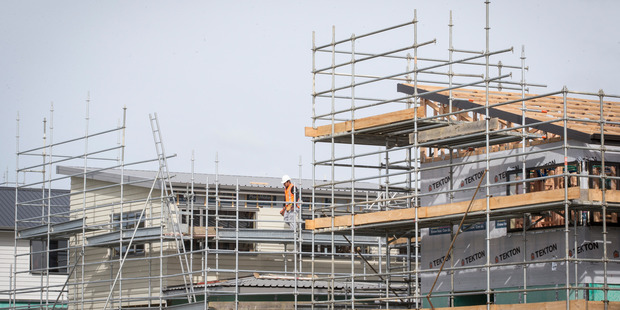
The conversation about property investment often centers on the challenges faced by young individuals entering the market. However, the discussion is shifting to consider older investors and the implications of age on property investments. Andrew Nicol, managing director of Opes Partners, recently joined Tim Beveridge to address a pressing question: How old is too old to invest in property?
Many individuals view their homes as the most significant financial asset they possess. As such, understanding how to manage this investment becomes crucial, regardless of age. For older adults contemplating entering the property market or expanding their portfolios, concerns often arise about whether they have missed their opportunity.
Nicol emphasized that investing in property can still be a viable option later in life, provided that individuals assess their financial situation realistically. He argues that age should not be a deterrent, but rather a factor that leads to more prudent decision-making.
Understanding the Financial Landscape
Investing in property requires careful consideration of various financial aspects. Nicol noted that potential investors should evaluate their current assets, liabilities, and long-term financial goals. For those worried that they may have left it too late, it is essential to recognize that the property market can be unpredictable.
The key, according to Nicol, is to focus on the potential for capital growth and rental income rather than solely on the timing of the purchase. As property values can fluctuate, potential investors should look at market conditions and local property trends to make informed decisions.
Nicol encourages older individuals to consider their lifestyle choices when investing. For instance, downsizing to a smaller property or purchasing a rental property can provide both financial benefits and lifestyle advantages. This approach allows investors to maintain their financial health while enjoying the benefits of property ownership.
Investment Strategies for Older Investors
Nicol suggests several strategies for older investors. First, it is crucial to establish a clear investment plan that aligns with personal financial goals. This plan should factor in retirement income, health care costs, and other potential expenses.
Another important aspect is to seek professional advice. Engaging with financial advisors or property investment specialists can provide valuable insights into market conditions and investment opportunities. Nicol highlighted that understanding the local market dynamics is vital for making sound investment decisions.
Furthermore, he pointed out that older investors often have advantages that younger investors may lack, such as greater financial stability and experience in managing investments. This experience can lead to more informed decisions, enhancing the potential for successful property investments.
In conclusion, while age can influence investment strategies, it should not deter individuals from considering property investments. As Nicol aptly stated, the most important factor is to approach property investment with a well-thought-out plan and a clear understanding of one’s financial landscape.
For those contemplating the property market later in life, it is essential to remember that investment opportunities can still abound, and with the right strategies in place, success is achievable.













New $25 Million Funding Boosts Hospital Capacity Ahead of Winter

Discover Sleep Space’s Affordable Bach Bed Packages Today

Jury Dismissed in Sexual Assault Trial Over Misguided Questions

Wellington’s New Gallery Unveils Community-Driven Art Exhibition

All Whites Face Challenges as Injuries Strike Before World Cup

Heroic Bystander Rescues Swimmers from Dangerous Surf in Napier

Nina Oyama Returns to Crime Comedy in Deadloch Season 2

China Southern Airlines Offers Reliable Journey from Auckland to Vietnam

Nina Oyama Returns to Deadloch for Anticipated Season 2

Community Mourns Teens Lost in Mount Maunganui Landslide

Tributes Pour In for Lachlan Rofe, Reality Star, Dead at 47

Private Funeral Held for Dean Field and His Three Children

Funeral Planned for Field Siblings After Tragic House Fire

Netball New Zealand Stands Down Dame Noeline Taurua for Series

Al Waha Motors Opens Flagship Jetour Showroom in Al Khor

Julian Dennison Ties the Knot with Christian Baledrokadroka in New Zealand

Auckland’s Average Rent Surpasses $700 for Three-Bedroom Homes

New Research Reveals Simple Path to Enhanced Happiness
-
 Top Stories7 months ago
Community Mourns Teens Lost in Mount Maunganui Landslide
-
 Entertainment11 months ago
Tributes Pour In for Lachlan Rofe, Reality Star, Dead at 47
-
 World9 months ago
Private Funeral Held for Dean Field and His Three Children
-
 Top Stories9 months ago
Funeral Planned for Field Siblings After Tragic House Fire
-
 Sports11 months ago
Netball New Zealand Stands Down Dame Noeline Taurua for Series
-
 Health7 months ago
Al Waha Motors Opens Flagship Jetour Showroom in Al Khor
-
 Entertainment7 months ago
Julian Dennison Ties the Knot with Christian Baledrokadroka in New Zealand
-
 Business7 months ago
Auckland’s Average Rent Surpasses $700 for Three-Bedroom Homes
-
 Science10 months ago
New Research Reveals Simple Path to Enhanced Happiness
-

 Entertainment10 months ago
New ‘Maverick’ Chaser Joins Beat the Chasers Season Finale
-

 Lifestyle11 months ago
Maia Wilson Faces Backlash Following Taurua’s Suspension
-

 Sports10 months ago
All Blacks Star Damian McKenzie and Partner Announce Baby News