
Politics
Exploring the Three-Month Rule for Sharing Pregnancy News

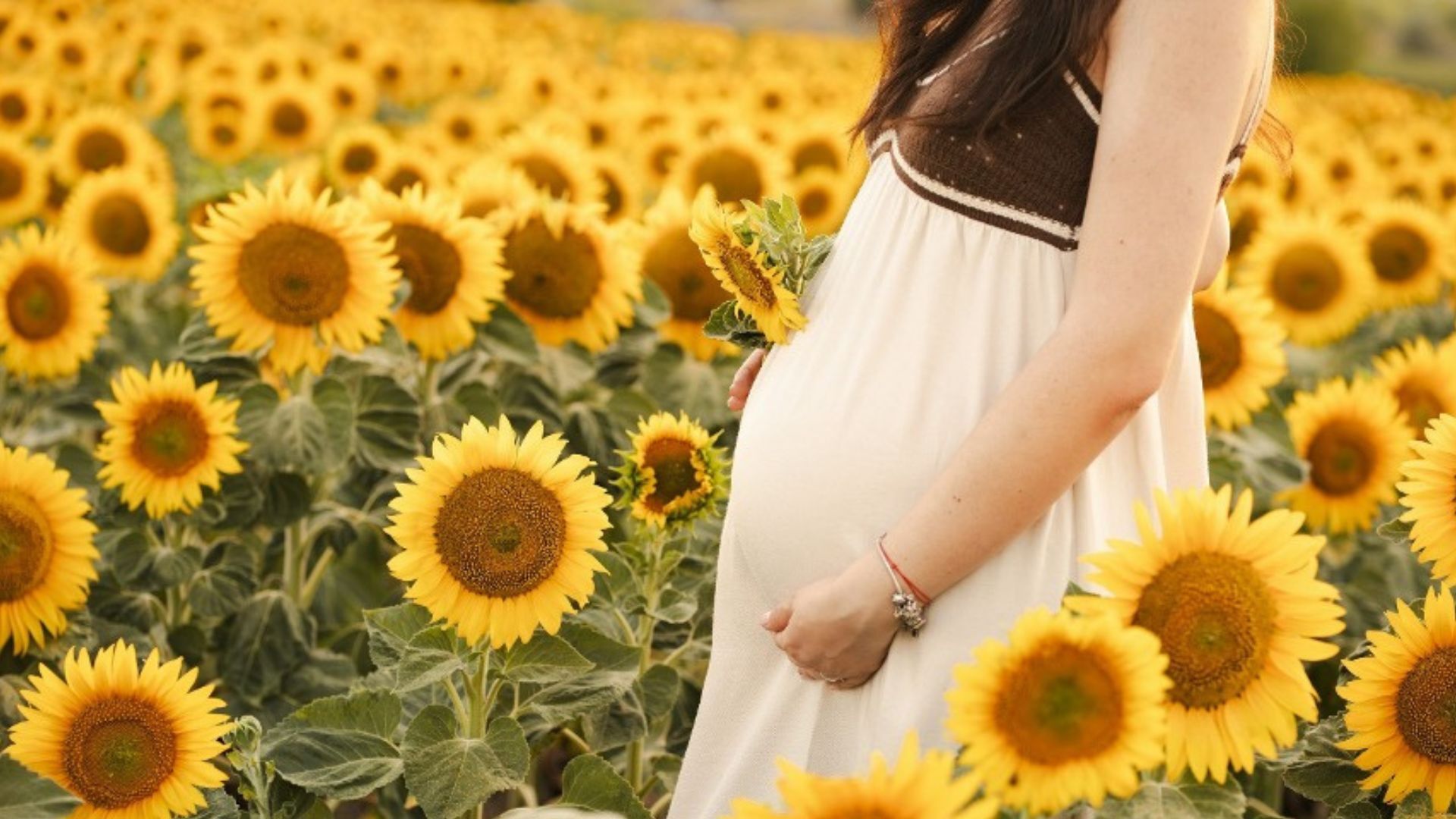
The often unspoken practice of waiting until the three-month mark to announce a pregnancy has deep cultural and psychological roots. This tradition, prevalent across various societies, is largely informed by the medical understanding of pregnancy risks, particularly during the first trimester.
Understanding the Risks
The initial 12 weeks of pregnancy, known as the first trimester, is statistically the most precarious time for expectant parents. According to global health data, approximately 10–20% of known pregnancies end in miscarriage, with the majority occurring before the 13th week. Factors contributing to these losses include chromosome abnormalities, hormonal imbalances, and complications with implantation.
By postponing announcements, parents can shield themselves and their loved ones from potential heartbreak. Early disclosure invites well-wishers to offer congratulations and advice, creating social expectations that can become burdensome should the pregnancy not progress as hoped. The emotional toll of needing to explain a loss can intensify the grief, making silence a protective measure rather than a source of stigma.
Cultural Perspectives on Timing
The three-month waiting period is not confined to any particular culture. In Japan, for instance, women typically wait until the 安定期 (anteiki, or “stabilization period”), which also falls around week 12. Similarly, etiquette guidelines in many Western countries encourage restraint until the end of the first trimester.
Yet, as societal norms evolve, so too does the conversation around pregnancy announcements. Increasingly, couples are choosing to share their news earlier. Factors such as later maternal age, advancements in assisted reproductive technologies, and a growing openness about fertility challenges are influencing this shift.
Some couples see earlier announcements as a way to reclaim their narrative, embracing the vulnerability that comes with sharing their journey. This change reflects a broader cultural trend toward transparency and support in discussions around reproductive health.
Ultimately, the decision to wait or announce a pregnancy is a nuanced interplay of biology, emotion, and culture. It highlights the innate human desire to protect new life from scrutiny while allowing parents the space to navigate the complexities of early pregnancy privately. As societal values continue to shift, the three-month convention may evolve, balancing the need for privacy with the joy of sharing.

New $25 Million Funding Boosts Hospital Capacity Ahead of Winter

Discover Sleep Space’s Affordable Bach Bed Packages Today

Jury Dismissed in Sexual Assault Trial Over Misguided Questions

Wellington’s New Gallery Unveils Community-Driven Art Exhibition

All Whites Face Challenges as Injuries Strike Before World Cup

Heroic Bystander Rescues Swimmers from Dangerous Surf in Napier

Nina Oyama Returns to Crime Comedy in Deadloch Season 2

China Southern Airlines Offers Reliable Journey from Auckland to Vietnam

Nina Oyama Returns to Deadloch for Anticipated Season 2

Community Mourns Teens Lost in Mount Maunganui Landslide

Tributes Pour In for Lachlan Rofe, Reality Star, Dead at 47

Private Funeral Held for Dean Field and His Three Children

Funeral Planned for Field Siblings After Tragic House Fire

Netball New Zealand Stands Down Dame Noeline Taurua for Series

Julian Dennison Ties the Knot with Christian Baledrokadroka in New Zealand

New Research Reveals Simple Path to Enhanced Happiness

New ‘Maverick’ Chaser Joins Beat the Chasers Season Finale

Maia Wilson Faces Backlash Following Taurua’s Suspension
-
 Top Stories6 months ago
Community Mourns Teens Lost in Mount Maunganui Landslide
-
 Entertainment10 months ago
Tributes Pour In for Lachlan Rofe, Reality Star, Dead at 47
-
 World8 months ago
Private Funeral Held for Dean Field and His Three Children
-
 Top Stories8 months ago
Funeral Planned for Field Siblings After Tragic House Fire
-
 Sports10 months ago
Netball New Zealand Stands Down Dame Noeline Taurua for Series
-
 Entertainment6 months ago
Julian Dennison Ties the Knot with Christian Baledrokadroka in New Zealand
-
 Science9 months ago
New Research Reveals Simple Path to Enhanced Happiness
-
 Entertainment9 months ago
New ‘Maverick’ Chaser Joins Beat the Chasers Season Finale
-
 Lifestyle9 months ago
Maia Wilson Faces Backlash Following Taurua’s Suspension
-

 Sports9 months ago
All Blacks Star Damian McKenzie and Partner Announce Baby News
-

 Health6 months ago
Al Waha Motors Opens Flagship Jetour Showroom in Al Khor
-

 Sports10 months ago
Silver Ferns Legend Laura Langman Criticizes Team’s Attitude