
Politics
Former MPs Slam Pay Equity Changes as Abuse of Power

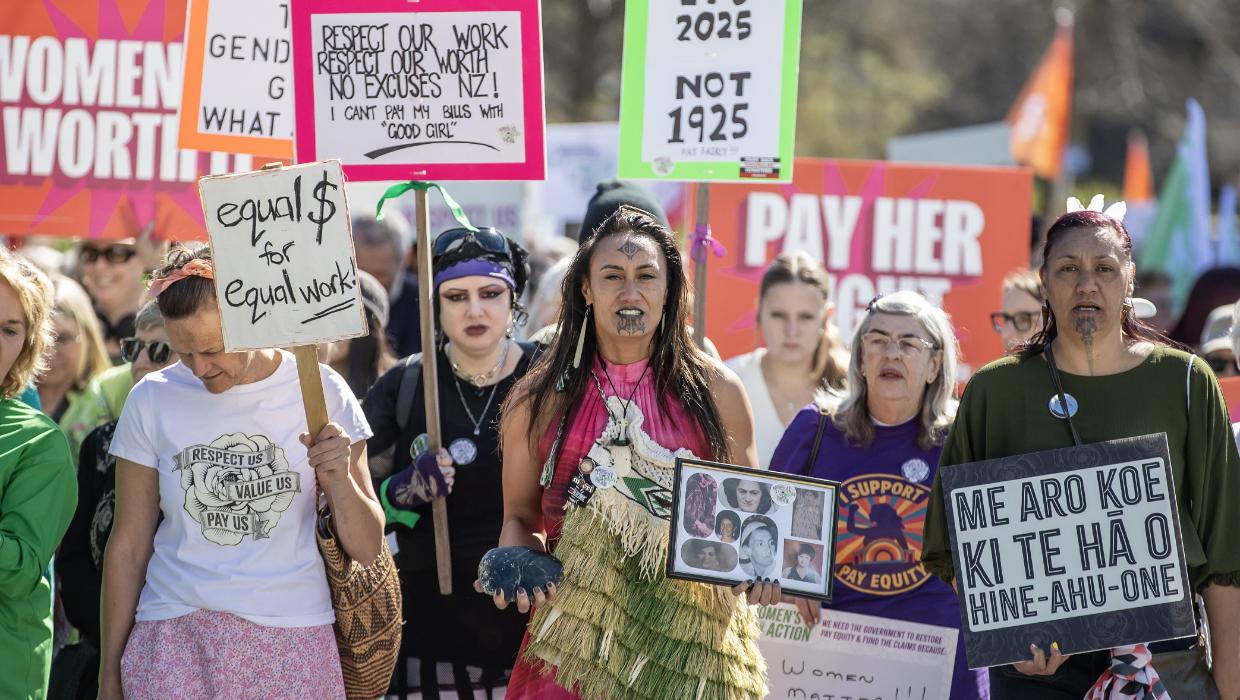
A group of female former Members of Parliament in New Zealand has condemned recent changes to pay equity laws as a “flagrant and significant abuse of power.” The amendments to the Equal Pay Amendment Act, enacted in May 2025, have drawn sharp criticism for dismantling live pay equity claims and tightening the criteria for future claims, which has sparked outrage among unions and advocates for low-paid women.
The committee, known as the People’s Select Committee on Pay Equity, was led by former National Party MP Professor Marilyn Waring and included several other notable figures from across the political spectrum. Over three months, the committee conducted hearings and reviewed 1,390 submissions regarding the law changes. Their findings have painted a troubling picture of the amendments’ implications for gender equity in the workplace.
Findings Highlight Legal Violations
According to an executive summary of the committee’s report, the investigation concluded that the changes breached various existing laws, including the New Zealand Bill of Rights, the Human Rights Act, and international conventions such as the UN Convention on the Elimination of All Forms of Discrimination Against Women. The committee expressed particular concern over the retrospective cancellation of existing rights and remedies, which they deemed a serious violation of the rule of law.
The committee also noted significant financial implications, stating that the changes enabled the government to save billions of dollars at the expense of low-paid women. They found that the funds supposedly saved were simply reallocated to other government expenditures, contradicting claims made by the finance minister.
The report highlights a lack of evidence supporting the rationale for dismantling what was characterized as “the world’s leading pay equity regime.” Workplace Minister Brooke van Velden had argued that adhering to previous laws would have resulted in costs that were “far, far” greater than previously indicated. The committee’s findings challenge this assertion, underscoring that no actual budget savings were realized through the law changes.
Concerns Over Comparators in Pay Equity Claims
Another contentious issue raised in the report pertains to the concept of “comparators.” The government’s new framework proposed a “hierarchy of comparators,” limiting comparison to jobs within the same industry or occupation. This shift was criticized by the committee, which argued that it oversimplified a complex process.
The committee noted, “no minister, or briefing bureaucrat, and no speaker in the parliamentary debate, demonstrated any knowledge of how comparators and factor scoring work.” They emphasized that assessing pay equity is a sophisticated process requiring collaboration between workers and employers.
As the full report is set to be released at 10:00 AM on Tuesday, it is expected to provide further insights into the implications of the changes and the committee’s recommendations for restoring equitable pay practices in New Zealand. The fallout from these findings may prompt renewed discussions on pay equity and the government’s approach to gender-related economic issues.










New $25 Million Funding Boosts Hospital Capacity Ahead of Winter

Discover Sleep Space’s Affordable Bach Bed Packages Today

Jury Dismissed in Sexual Assault Trial Over Misguided Questions

Wellington’s New Gallery Unveils Community-Driven Art Exhibition

All Whites Face Challenges as Injuries Strike Before World Cup

Heroic Bystander Rescues Swimmers from Dangerous Surf in Napier

Nina Oyama Returns to Crime Comedy in Deadloch Season 2

China Southern Airlines Offers Reliable Journey from Auckland to Vietnam

Nina Oyama Returns to Deadloch for Anticipated Season 2

Community Mourns Teens Lost in Mount Maunganui Landslide

Tributes Pour In for Lachlan Rofe, Reality Star, Dead at 47

Private Funeral Held for Dean Field and His Three Children

Funeral Planned for Field Siblings After Tragic House Fire

Netball New Zealand Stands Down Dame Noeline Taurua for Series

Julian Dennison Ties the Knot with Christian Baledrokadroka in New Zealand

New Research Reveals Simple Path to Enhanced Happiness

New ‘Maverick’ Chaser Joins Beat the Chasers Season Finale

Silver Ferns Legend Laura Langman Criticizes Team’s Attitude
-
 Top Stories3 months ago
Community Mourns Teens Lost in Mount Maunganui Landslide
-
 Entertainment8 months ago
Tributes Pour In for Lachlan Rofe, Reality Star, Dead at 47
-
 World5 months ago
Private Funeral Held for Dean Field and His Three Children
-
 Top Stories6 months ago
Funeral Planned for Field Siblings After Tragic House Fire
-
 Sports8 months ago
Netball New Zealand Stands Down Dame Noeline Taurua for Series
-
 Entertainment4 months ago
Julian Dennison Ties the Knot with Christian Baledrokadroka in New Zealand
-
 Science6 months ago
New Research Reveals Simple Path to Enhanced Happiness
-
 Entertainment7 months ago
New ‘Maverick’ Chaser Joins Beat the Chasers Season Finale
-
 Sports8 months ago
Silver Ferns Legend Laura Langman Criticizes Team’s Attitude
-

 Sports7 months ago
All Blacks Star Damian McKenzie and Partner Announce Baby News
-

 Sports6 months ago
Eli Katoa Rushed to Hospital After Sideline Incident During Match
-

 Politics7 months ago
Netball NZ Calls for Respect Amid Dame Taurua’s Standoff