
Politics
Jacinda Ardern Backs Boycott of Australian Arts Festival

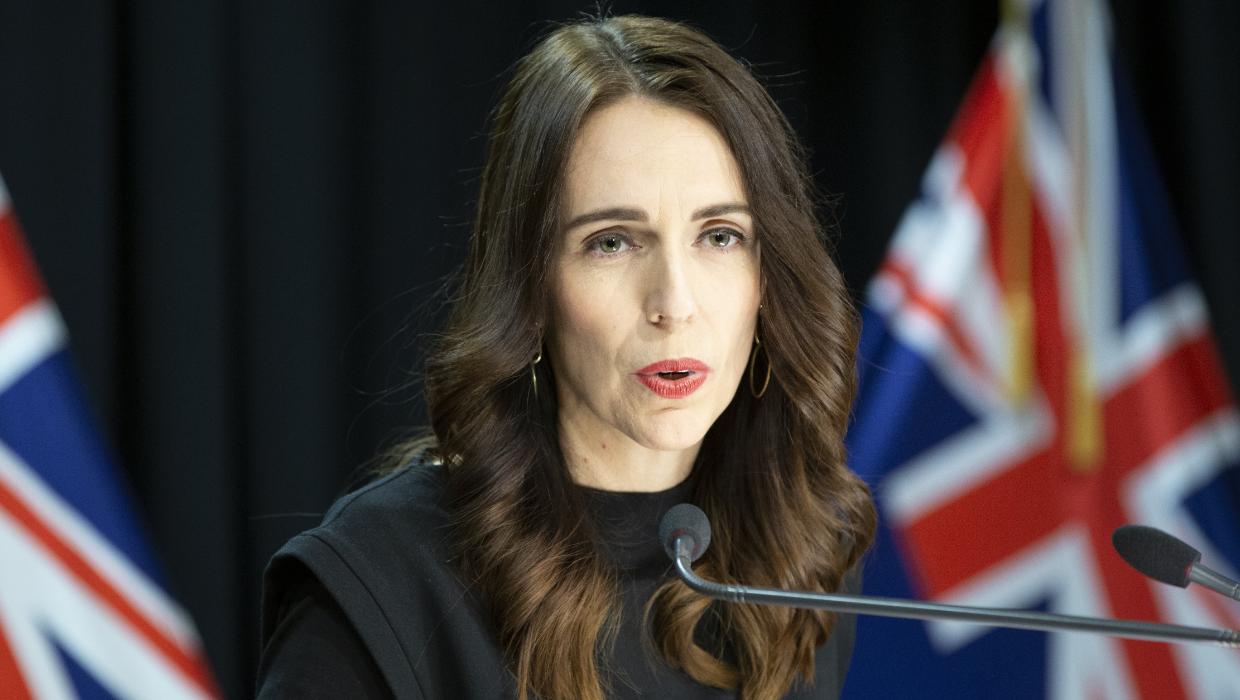
Former New Zealand Prime Minister Dame Jacinda Ardern has publicly supported a boycott of an Australian arts festival following its decision to withdraw a Palestinian-Australian writer from the event. The festival’s organizers faced significant backlash after announcing the cancellation of Dr. Randa Abdel-Fattah, a prominent author known for her works addressing issues of identity, culture, and social justice.
The Australian festival in question has not only drawn attention for its artistic programming but also for its controversial decision to exclude Abdel-Fattah, which many perceive as a reflection of broader tensions surrounding the Israeli-Palestinian conflict. This has prompted a wave of criticism from various sectors, including artists, activists, and public figures.
Response to the Decision
Dame Jacinda Ardern’s involvement in the boycott highlights the growing discontent over the festival’s actions. In her statement, she emphasized the importance of inclusivity in cultural events and the need to support voices from diverse backgrounds. “Censorship has no place in the arts,” Ardern stated, advocating for the representation of all narratives within artistic platforms.
The decision to withdraw Abdel-Fattah has also sparked discussions about the implications of artistic freedom and the responsibility of cultural institutions to foster dialogue rather than suppress it. Artists and writers have rallied around the cause, expressing solidarity with Abdel-Fattah and calling for the festival to reconsider its stance.
Numerous artists have signed an open letter condemning the festival’s choice, stating that it undermines the very principles of artistic expression. This letter has gained traction, reflecting a larger movement advocating for the rights of marginalized voices in the arts.
Broader Implications
The controversy surrounding the Australian arts festival is not isolated; it resonates with ongoing debates about freedom of speech and the role of cultural institutions in promoting inclusivity. Critics argue that the decision to exclude Abdel-Fattah sends a troubling message about the willingness of organizations to engage with complex social issues.
As the boycott gains momentum, it remains to be seen how the festival will respond to the growing pressure. The situation underscores the intersection of politics and the arts, compelling cultural organizations to navigate their positions carefully in a landscape marked by passionate advocacy and diverse perspectives.
The ongoing discourse surrounding this incident may influence future programming and policies within the arts community, emphasizing the need for transparency and accountability. As the boycott unfolds, the impact on both the festival and the broader cultural landscape will be closely monitored.










Transforming IT: Seven Steps to Become a Strategic Advisor

Transforming IT Roles: 7 Steps to Strategic Advisory Success

Golden Globes 2026: Key Winners and Leonardo DiCaprio’s Bid for a Fourth

Barbie Introduces Autistic Doll with Unique Features for Inclusivity

Mattel Introduces Autistic Barbie to Enhance Inclusive Range

Jacinda Ardern Joins Boycott of Australian Arts Festival Over Controversy

Tragic Near-Drowning Claims Life of One-Year-Old in Wairarapa

Colebrook Bosson Saunders Unveils Lana: The Future of Laptop Ergonomics

Golden Globes 2026: Anticipation Builds for Major Awards

Private Funeral Held for Dean Field and His Three Children

Funeral Planned for Field Siblings After Tragic House Fire

Netball New Zealand Stands Down Dame Noeline Taurua for Series

Tributes Pour In for Lachlan Rofe, Reality Star, Dead at 47

New ‘Maverick’ Chaser Joins Beat the Chasers Season Finale

Silver Ferns Legend Laura Langman Criticizes Team’s Attitude

Eli Katoa Rushed to Hospital After Sideline Incident During Match

Netball NZ Calls for Respect Amid Dame Taurua’s Standoff

Investigation Underway in Tragic Sanson House Fire Involving Family
-
 World2 months ago
Private Funeral Held for Dean Field and His Three Children
-
 Top Stories2 months ago
Funeral Planned for Field Siblings After Tragic House Fire
-
 Sports4 months ago
Netball New Zealand Stands Down Dame Noeline Taurua for Series
-
 Entertainment4 months ago
Tributes Pour In for Lachlan Rofe, Reality Star, Dead at 47
-
 Entertainment3 months ago
New ‘Maverick’ Chaser Joins Beat the Chasers Season Finale
-
 Sports4 months ago
Silver Ferns Legend Laura Langman Criticizes Team’s Attitude
-
 Sports2 months ago
Eli Katoa Rushed to Hospital After Sideline Incident During Match
-
 Politics3 months ago
Netball NZ Calls for Respect Amid Dame Taurua’s Standoff
-
 World2 months ago
Investigation Underway in Tragic Sanson House Fire Involving Family
-

 Sports4 weeks ago
Nathan Williamson’s Condition Improves Following Race Fall
-

 Entertainment1 month ago
Jacinda Ardern Discusses Popularity Decline on Graham Norton Show
-
 World3 weeks ago
Investigation Launched Following Boat Fire at Lake Taupō