
Politics
Political Missteps Mark Disappointing Waitangi Week in Northland

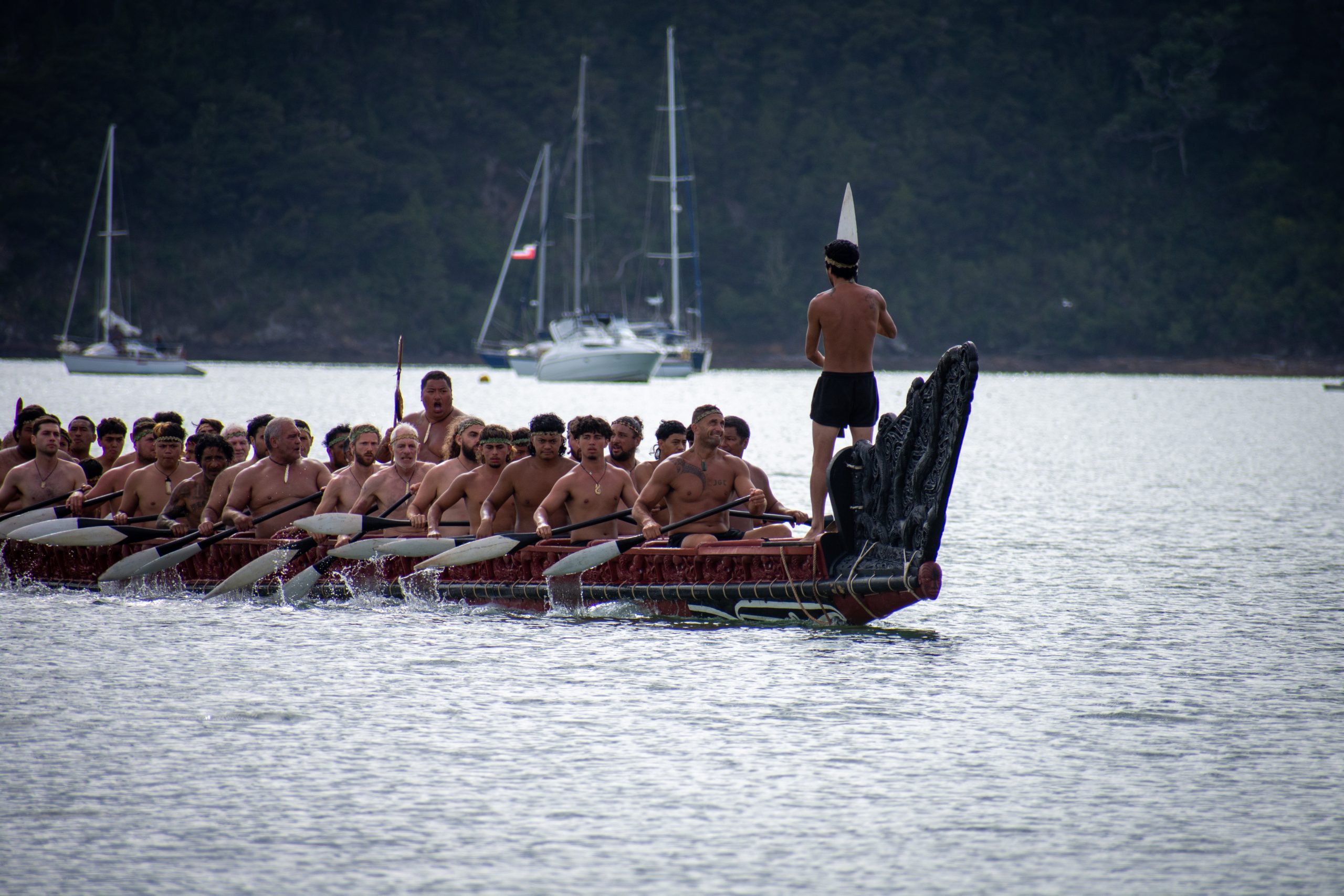
The recent Waitangi Week in Northland, New Zealand, was marred by political blunders that left a lasting impression on the local electorate. The events, which ran from February 6 to February 12, 2024, were intended to celebrate unity under the theme “Mō tātou, mā tātou” – for all of us, by all of us. However, the activities rather highlighted divisions among the political parties vying for votes in the upcoming elections.
The week began with a significant announcement from Labour MP Peeni Henare, who revealed his decision to leave politics before the election. Henare had requested to share this news during Waitangi Week to mark the occasion with his Ngāpuhi whānau. The timing of his announcement placed Labour leader Chris Hipkins in an awkward position as he faced questions about Henare’s future in the party just hours prior. His evasive responses fueled speculation about his confidence in Henare’s performance, overshadowing the intended celebratory spirit of the week.
As discussions unfolded, the bungled announcement ignited rumors regarding potential misconduct, partly fueled by NZ First member Shane Jones, who suggested he would uncover more about the situation through informal channels. What was meant to be a heartfelt farewell instead became a source of speculation and discontent, with some speakers expressing disappointment towards Labour for failing to support Henare adequately.
Labour’s position with the Ngāpuhi and other iwi in Te Tai Tokerau has been strained, but it faces stiff competition from Te Pāti Māori, which has also struggled to maintain its connections in the region. The party’s ongoing troubles surrounding Mariameno Kapa-Kingi, the MP for Te Tai Tokerau, were exacerbated during Waitangi Week. During a political pōwhiri, co-leader Rawiri Waititi attempted to mend relations by addressing frustrations and apologizing for past missteps. Yet, the gesture was undermined by an incident involving Waititi’s wife, Kiri Tamihere-Waititi, who reportedly approached Kapa-Kingi’s son in a confrontational manner after a haka, leading to accusations of disrespect.
The fallout from this exchange was severe, with local iwi leaders, including Mane Tahere, expressing that the incident could be detrimental to Te Pāti Māori’s prospects in the upcoming election. Many voters voiced their discontent, suggesting the party had misjudged the sentiment in the room. “They obviously have misread the room. Unless something drastic happens between now and November, unfortunately, they have lost the Te Tai Tokerau seat,” Tahere stated.
In contrast, the Green Party capitalized on the moment, solidifying its relationship with Labour through a joint appearance and announcing four Māori candidates for upcoming electorates. This proactive approach may position the Greens favorably in the political landscape, particularly with candidates like current list MP Hūhana Lyndon, who has strong ties to the North.
As the week progressed, the reaction to political leaders varied widely. David Seymour, leader of the Act Party and Deputy Prime Minister, faced a particularly hostile reception during the dawn ceremony on February 9, which is typically a non-political event. Attendees booed and shouted insults during his speech, illustrating a significant disconnect between the government and the local sentiment. Seymour later downplayed the backlash, describing it as the reaction of “a couple of muppets shouting in the dark,” although many observers noted that the hostility seemed more widespread than he acknowledged.
Prime Minister Christopher Luxon also struggled to connect with the Northland audience, spending much of his speech discussing the Treaty of Waitangi, which many locals found unengaging. His mention of Education Minister Erica Stanford drew particular ire, highlighting concerns over her policies perceived as detrimental to Māori interests, including proposed changes to school curricula.
As political leaders departed following the events, the local community continued to enjoy the festivities. Despite the political turmoil, residents, including families and elders, reveled in the cultural celebrations, contrasting sharply with the atmosphere of discontent among the politicians. One observer on the Waitangi bridge captured the sentiment succinctly, asking, “Are the politicians gone yet?” to which the reply was, “I hope so, bro.”
The events of Waitangi Week may have left Northland voters questioning the political direction and sincerity of the parties vying for their support. With the election looming in November, the impact of recent controversies could prove crucial in shaping the future political landscape in Te Tai Tokerau and beyond.








New $25 Million Funding Boosts Hospital Capacity Ahead of Winter

Discover Sleep Space’s Affordable Bach Bed Packages Today

Jury Dismissed in Sexual Assault Trial Over Misguided Questions

Wellington’s New Gallery Unveils Community-Driven Art Exhibition

All Whites Face Challenges as Injuries Strike Before World Cup

Heroic Bystander Rescues Swimmers from Dangerous Surf in Napier

Nina Oyama Returns to Crime Comedy in Deadloch Season 2

China Southern Airlines Offers Reliable Journey from Auckland to Vietnam

Nina Oyama Returns to Deadloch for Anticipated Season 2

Community Mourns Teens Lost in Mount Maunganui Landslide

Tributes Pour In for Lachlan Rofe, Reality Star, Dead at 47

Private Funeral Held for Dean Field and His Three Children

Funeral Planned for Field Siblings After Tragic House Fire

Netball New Zealand Stands Down Dame Noeline Taurua for Series

Julian Dennison Ties the Knot with Christian Baledrokadroka in New Zealand

New Research Reveals Simple Path to Enhanced Happiness

New ‘Maverick’ Chaser Joins Beat the Chasers Season Finale

Silver Ferns Legend Laura Langman Criticizes Team’s Attitude
-
 Top Stories3 months ago
Community Mourns Teens Lost in Mount Maunganui Landslide
-
 Entertainment7 months ago
Tributes Pour In for Lachlan Rofe, Reality Star, Dead at 47
-
 World5 months ago
Private Funeral Held for Dean Field and His Three Children
-
 Top Stories5 months ago
Funeral Planned for Field Siblings After Tragic House Fire
-
 Sports7 months ago
Netball New Zealand Stands Down Dame Noeline Taurua for Series
-
 Entertainment3 months ago
Julian Dennison Ties the Knot with Christian Baledrokadroka in New Zealand
-
 Science6 months ago
New Research Reveals Simple Path to Enhanced Happiness
-
 Entertainment6 months ago
New ‘Maverick’ Chaser Joins Beat the Chasers Season Finale
-
 Sports7 months ago
Silver Ferns Legend Laura Langman Criticizes Team’s Attitude
-

 Sports5 months ago
Eli Katoa Rushed to Hospital After Sideline Incident During Match
-

 Sports6 months ago
All Blacks Star Damian McKenzie and Partner Announce Baby News
-

 Politics6 months ago
Netball NZ Calls for Respect Amid Dame Taurua’s Standoff