
Politics
Protests Erupt Over Rockpool Depletion and Racist Abuse

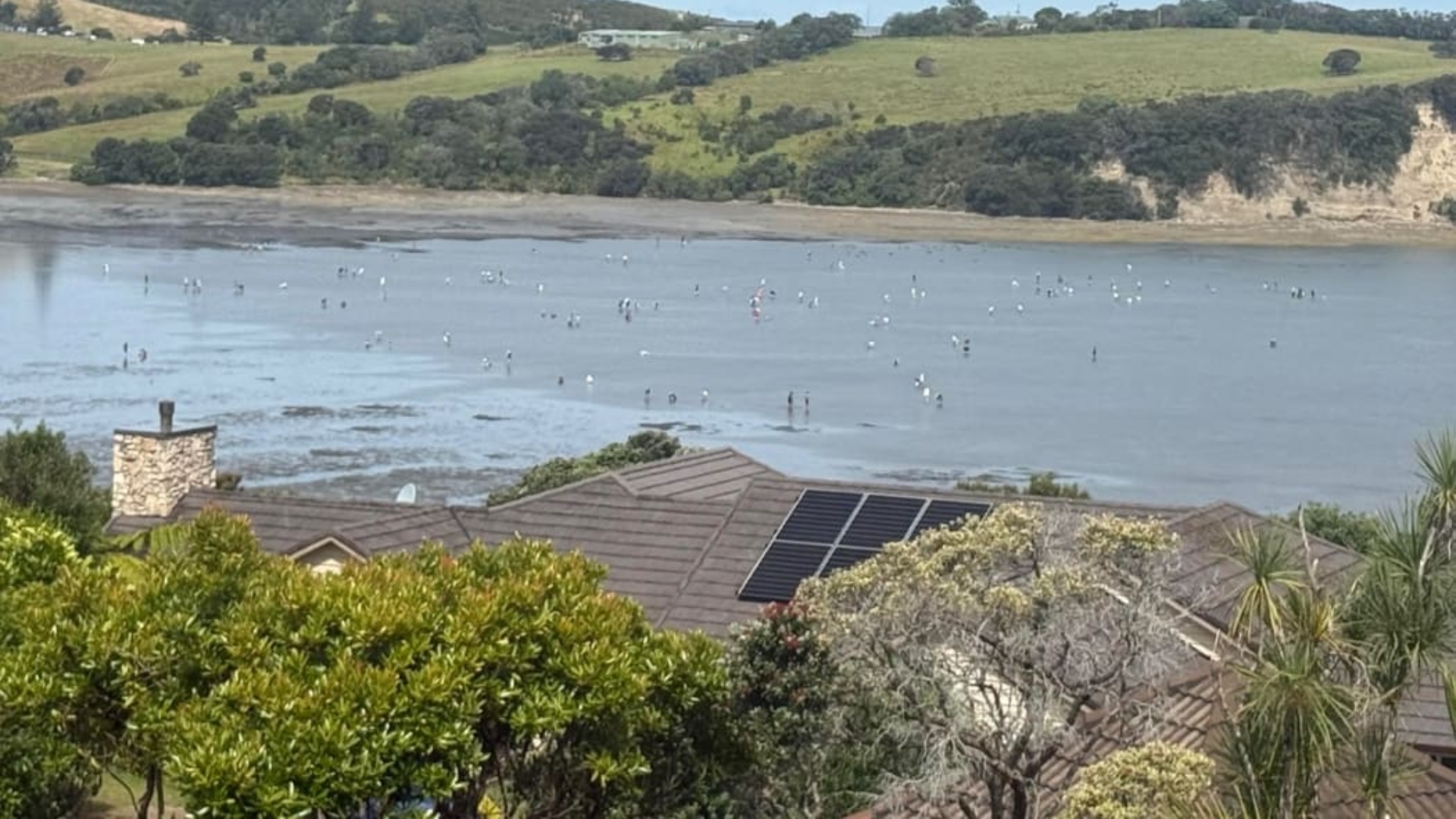
Protests have erupted at Army Bay in Whangaparāoa, New Zealand, over allegations of over-harvesting rockpool resources, leading to a troubling rise in racist threats against the Asian community. On Saturday, over a hundred demonstrators rallied to advocate for the conservation of local marine life, which residents claim is being depleted by excessive gathering of shellfish and other sea creatures.
The term “bucket people” has gained traction on social media, referring to individuals accused of stripping the rockpools. Many residents blame tourists, particularly those arriving on tour buses, for the perceived depletion of marine life. In a report by the Ministry for Primary Industries (MPI), the compliance rate for recreational fishing in the area was noted to be 93 percent between November 1, 2025, and January 5, with only 14 non-compliance incidents recorded during 189 inspections. Among these, four involved excessive shellfish collection, while others cited undersized fish and illegal netsetting, but no incidents were attributed to tour buses.
Social Media Backlash and Racism
In the past week, social media has become a platform for both advocacy and hostility. Many posts directed at the Asian community have included calls for deportations and physical violence. One user threatened physical harm to those perceived as breaking the rules, while others echoed similar sentiments, prompting concern from local residents.
A community member, who chose to remain anonymous, expressed fear of increased hostility, stating, “Eventually we’ll get targeted… people may come up and say something hurtful to me.” This anxiety highlights the broader implications of the controversy, as families, including children, feel unsafe simply enjoying the beach.
In a related incident, a Wellington woman faced a wave of racist comments after posting a photo of her Chinese husband holding a bucket of mussels. Despite the catch being within legal limits for their family, the online abuse was overwhelming, leading her family to avoid the beach altogether.
Advocacy and Environmental Concerns
Mark Lenton, the leader of the “Protect Whangaparāoa Rockpools” group, condemned the racist remarks, stating that such behavior undermines the group’s credibility. He emphasized that the focus should remain on environmental conservation rather than racial slurs. Lenton noted the need for an “attitude change” among gatherers, as the sheer volume of individuals collecting from the rockpools poses a significant threat to marine ecology.
Auckland-based writer Tze Ming Mok voiced concerns about the political discourse surrounding the issue, suggesting that some government officials may prioritize division over constructive solutions. She described the term “bucket people” as a dehumanizing stereotype that detracts from the environmental dialogue. Mok argued that the longstanding stereotype of Asians as over-exploiters of natural resources is harmful and counterproductive.
Additionally, Auckland student One Wang criticized the labeling and online harassment, asserting that the focus should remain on protecting marine life rather than scapegoating an entire ethnic group. Wang called for increased accessibility to education and information on sustainable practices for all beachgoers.
In response to the growing concerns, Ngati Manuhiri, the iwi responsible for the region’s coastal areas, has applied for a two-year ban on shellfish harvesting along the Eastern Coastline of the city. The decision from the relevant authorities is expected next month.
The situation at Whangaparāoa serves as a reminder of the complex intersections between environmental stewardship and community relations. As tensions rise, advocates are calling for a united approach to preserving natural resources while fostering inclusivity and understanding.








New $25 Million Funding Boosts Hospital Capacity Ahead of Winter

Discover Sleep Space’s Affordable Bach Bed Packages Today

Jury Dismissed in Sexual Assault Trial Over Misguided Questions

Wellington’s New Gallery Unveils Community-Driven Art Exhibition

All Whites Face Challenges as Injuries Strike Before World Cup

Heroic Bystander Rescues Swimmers from Dangerous Surf in Napier

Nina Oyama Returns to Crime Comedy in Deadloch Season 2

China Southern Airlines Offers Reliable Journey from Auckland to Vietnam

Nina Oyama Returns to Deadloch for Anticipated Season 2

Community Mourns Teens Lost in Mount Maunganui Landslide

Tributes Pour In for Lachlan Rofe, Reality Star, Dead at 47

Private Funeral Held for Dean Field and His Three Children

Funeral Planned for Field Siblings After Tragic House Fire

Netball New Zealand Stands Down Dame Noeline Taurua for Series

Julian Dennison Ties the Knot with Christian Baledrokadroka in New Zealand

New Research Reveals Simple Path to Enhanced Happiness

New ‘Maverick’ Chaser Joins Beat the Chasers Season Finale

Silver Ferns Legend Laura Langman Criticizes Team’s Attitude
-
 Top Stories3 months ago
Community Mourns Teens Lost in Mount Maunganui Landslide
-
 Entertainment8 months ago
Tributes Pour In for Lachlan Rofe, Reality Star, Dead at 47
-
 World5 months ago
Private Funeral Held for Dean Field and His Three Children
-
 Top Stories5 months ago
Funeral Planned for Field Siblings After Tragic House Fire
-
 Sports8 months ago
Netball New Zealand Stands Down Dame Noeline Taurua for Series
-
 Entertainment3 months ago
Julian Dennison Ties the Knot with Christian Baledrokadroka in New Zealand
-
 Science6 months ago
New Research Reveals Simple Path to Enhanced Happiness
-
 Entertainment7 months ago
New ‘Maverick’ Chaser Joins Beat the Chasers Season Finale
-
 Sports8 months ago
Silver Ferns Legend Laura Langman Criticizes Team’s Attitude
-

 Sports6 months ago
All Blacks Star Damian McKenzie and Partner Announce Baby News
-

 Sports6 months ago
Eli Katoa Rushed to Hospital After Sideline Incident During Match
-

 Politics7 months ago
Netball NZ Calls for Respect Amid Dame Taurua’s Standoff