
Politics
Wairarapa MP Advocates for Council Reform Amid Proposed Changes

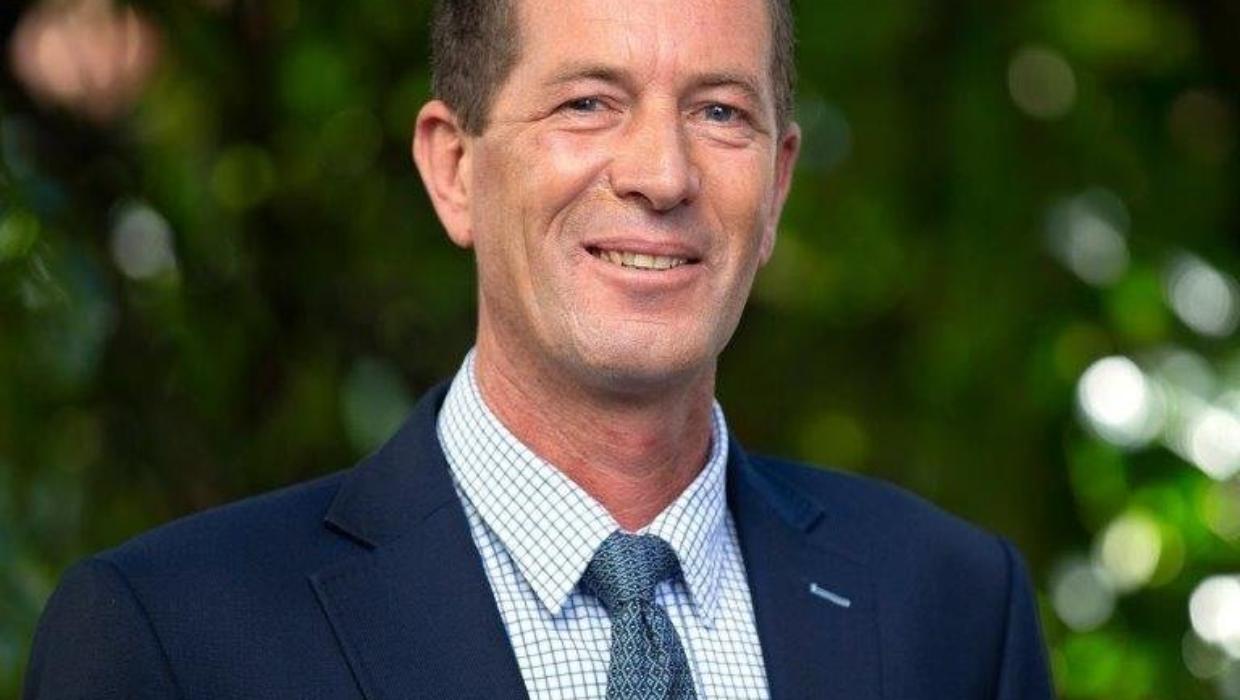
The New Zealand Government’s proposed local council reforms could dramatically reshape governance in the Wairarapa region, according to National MP Mike Butterick. In a recent discussion, he emphasized the significance of these changes, marking them as the most comprehensive in a generation. Key proposals include the elimination of regional councils, the introduction of a rates cap between 2% and 4%, and a simplification of planning legislation.
Butterick described the reform as a pivotal opportunity for Wairarapa to influence its future. He noted that the establishment of the Local Water Done Well council-controlled organization (CCO) would likely lead to a reduction in responsibilities for the existing three councils. “It’s inevitable that their current shape will need to change,” he remarked.
The proposed reforms to the Resource Management Act (RMA) could significantly lessen the workload for the Greater Wellington Regional Council, potentially eliminating the need for up to 46% of resource consents. This shift would mean that Wairarapa, with approximately 50,000 residents, could benefit from a more streamlined governance structure.
“I’m thrilled to see that the councils are investigating the feasibility of a unitary council,” Butterick stated. “There are several unitary councils across New Zealand that function effectively.” He advocates for the potential efficiencies these reforms could provide while ensuring that representation remains fair and proportional.
“The question is, why wouldn’t we go ahead?” he asked. He assured the public that the proposed RMA replacement would still safeguard the environment, noting that the reduction in consent requirements would apply to activities with less than minor effects. Butterick pointed out that a considerable portion of councils’ expenses stem from the RMA, which ultimately impacts ratepayers.
Independent economic analyses project that the new system could save New Zealanders $13.3 billion over the next 30 years by reducing administrative and compliance costs. Butterick indicated that decisions made by the councils regarding their future would largely determine their workload.
He highlighted a predicted substantial reduction in overall workload among the councils, which could alleviate pricing pressures on ratepayers. This combination of proposed regulatory changes, he argued, would better position councils to adhere to the new rates cap.
Butterick encourages public participation in the reform process. “It’s a once-in-a-generation opportunity to reimagine our governance and consenting,” he remarked, emphasizing the importance of feedback from residents.
The reforms were introduced by Chris Bishop, the Minister Responsible for RMA Reform, who stated that the proposed changes would fundamentally simplify urban and regional planning in New Zealand. “These reforms would deliver the most significant changes to local government since 1989,” Bishop noted, asserting that local government should serve communities effectively rather than confuse them.
He criticized the current system as being mired in duplication and ineffective decision-making, asserting that “the time has come for reform.”
Wairarapa-based Labour list MP Kieran McAnulty expressed his views on the proposed changes in a separate report, reflecting the ongoing dialogue surrounding local governance in the region.
As these discussions continue, the future of Wairarapa’s local governance appears set for significant transformation, with potential benefits for its residents through enhanced efficiency and reduced costs.










Americans’ 1998 Predictions for 2025: Surprising Accuracy Revealed

Wellington Phoenix Thrash Wanderers 3-0, Extend Winning Streak

Woman Passes Away Following Medical Emergency on Qantas Flight

Cars Crash into Buildings in South Auckland, Five Injured

European Stocks Hold Steady Near Record Highs as Year-End Approaches

Noel Gallagher Shares His Designer Wardrobe with Charity Shop

Hamad Al-Hammadi Elected President of Qatar Table Tennis Association

Former All Blacks Coach John Mitchell Honoured with OBE

Wairarapa MP Advocates for Council Reform Amid Proposed Changes

Private Funeral Held for Dean Field and His Three Children

Funeral Planned for Field Siblings After Tragic House Fire

Netball New Zealand Stands Down Dame Noeline Taurua for Series

Tributes Pour In for Lachlan Rofe, Reality Star, Dead at 47

New ‘Maverick’ Chaser Joins Beat the Chasers Season Finale

Silver Ferns Legend Laura Langman Criticizes Team’s Attitude

Eli Katoa Rushed to Hospital After Sideline Incident During Match

Netball NZ Calls for Respect Amid Dame Taurua’s Standoff

Investigation Underway in Tragic Sanson House Fire Involving Family
-
 World1 month ago
Private Funeral Held for Dean Field and His Three Children
-
 Top Stories1 month ago
Funeral Planned for Field Siblings After Tragic House Fire
-
 Sports4 months ago
Netball New Zealand Stands Down Dame Noeline Taurua for Series
-
 Entertainment4 months ago
Tributes Pour In for Lachlan Rofe, Reality Star, Dead at 47
-
 Entertainment3 months ago
New ‘Maverick’ Chaser Joins Beat the Chasers Season Finale
-
 Sports4 months ago
Silver Ferns Legend Laura Langman Criticizes Team’s Attitude
-
 Sports2 months ago
Eli Katoa Rushed to Hospital After Sideline Incident During Match
-
 Politics3 months ago
Netball NZ Calls for Respect Amid Dame Taurua’s Standoff
-
 World1 month ago
Investigation Underway in Tragic Sanson House Fire Involving Family
-

 Sports2 weeks ago
Nathan Williamson’s Condition Improves Following Race Fall
-

 Entertainment3 weeks ago
Jacinda Ardern Discusses Popularity Decline on Graham Norton Show
-
 World1 week ago
Investigation Launched Following Boat Fire at Lake Taupō