
Health
Researchers Track Venomous False Widow Spider Hotspots Across New Zealand

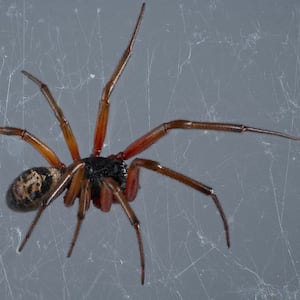
Researchers in New Zealand are actively investigating the presence of the venomous noble false widow spider, which has been identified in several regions across the country. First spotted in Porirua last year, this invasive species has since been reported in locations including Christchurch, Nelson, Waikato, and Northland. The focus this summer is on identifying “hotspots” to better understand the spread of this spider, which poses a potential risk to human health.
The noble false widow spider is not known for aggressive behavior, but it can bite when threatened. The resulting venom can lead to symptoms such as swelling, redness, and pain. According to Steven Trewick, an ecology professor at Massey University, the goal of the research is to gather data on the spider’s distribution to assess its impact. He has called on the public to report any suspected sightings to assist in the research.
Public Participation Essential for Tracking Spread
In an effort to accurately map the distribution of the noble false widow spider, researchers are relying on community involvement. Sightings reported by residents can provide critical information on the spider’s habitat and movement patterns. Trewick emphasized the importance of public engagement, stating, “Every report counts. The more data we gather, the clearer the picture we can build regarding its spread.”
The noble false widow spider is characterized by its distinctive appearance, featuring a glossy black-brown body and a light-colored pattern on its abdomen. While its bites can be painful, they are rarely serious for healthy adults. However, reported cases indicate that some individuals, particularly those with compromised immune systems or allergies, may experience more severe reactions.
Ongoing Monitoring and Research Initiatives
As the summer progresses, researchers plan to monitor the population more closely, especially in areas where the spider has been sighted. The findings will not only contribute to the understanding of this species but also inform public health responses and ecological management strategies.
Conservationists are particularly concerned about the impact of invasive species like the noble false widow on New Zealand’s unique ecosystem. These spiders can disrupt local biodiversity, and understanding their spread is vital for preserving native species.
As the public becomes more aware of the noble false widow spider, education on how to identify and respond to encounters will be crucial. Residents are encouraged to report any findings to local authorities and contribute to this important research initiative.










New $25 Million Funding Boosts Hospital Capacity Ahead of Winter

Discover Sleep Space’s Affordable Bach Bed Packages Today

Jury Dismissed in Sexual Assault Trial Over Misguided Questions

Wellington’s New Gallery Unveils Community-Driven Art Exhibition

All Whites Face Challenges as Injuries Strike Before World Cup

Heroic Bystander Rescues Swimmers from Dangerous Surf in Napier

Nina Oyama Returns to Crime Comedy in Deadloch Season 2

China Southern Airlines Offers Reliable Journey from Auckland to Vietnam

Nina Oyama Returns to Deadloch for Anticipated Season 2

Community Mourns Teens Lost in Mount Maunganui Landslide

Tributes Pour In for Lachlan Rofe, Reality Star, Dead at 47

Private Funeral Held for Dean Field and His Three Children

Funeral Planned for Field Siblings After Tragic House Fire

Netball New Zealand Stands Down Dame Noeline Taurua for Series

Julian Dennison Ties the Knot with Christian Baledrokadroka in New Zealand

Al Waha Motors Opens Flagship Jetour Showroom in Al Khor

Auckland’s Average Rent Surpasses $700 for Three-Bedroom Homes

New Research Reveals Simple Path to Enhanced Happiness
-
 Top Stories6 months ago
Community Mourns Teens Lost in Mount Maunganui Landslide
-
 Entertainment11 months ago
Tributes Pour In for Lachlan Rofe, Reality Star, Dead at 47
-
 World8 months ago
Private Funeral Held for Dean Field and His Three Children
-
 Top Stories8 months ago
Funeral Planned for Field Siblings After Tragic House Fire
-
 Sports11 months ago
Netball New Zealand Stands Down Dame Noeline Taurua for Series
-
 Entertainment6 months ago
Julian Dennison Ties the Knot with Christian Baledrokadroka in New Zealand
-
 Health6 months ago
Al Waha Motors Opens Flagship Jetour Showroom in Al Khor
-
 Business7 months ago
Auckland’s Average Rent Surpasses $700 for Three-Bedroom Homes
-
 Science9 months ago
New Research Reveals Simple Path to Enhanced Happiness
-

 Entertainment10 months ago
New ‘Maverick’ Chaser Joins Beat the Chasers Season Finale
-

 Lifestyle10 months ago
Maia Wilson Faces Backlash Following Taurua’s Suspension
-

 Sports9 months ago
All Blacks Star Damian McKenzie and Partner Announce Baby News