
Science
Global Leaders Assess Antarctica’s Future Amid Rising Tensions

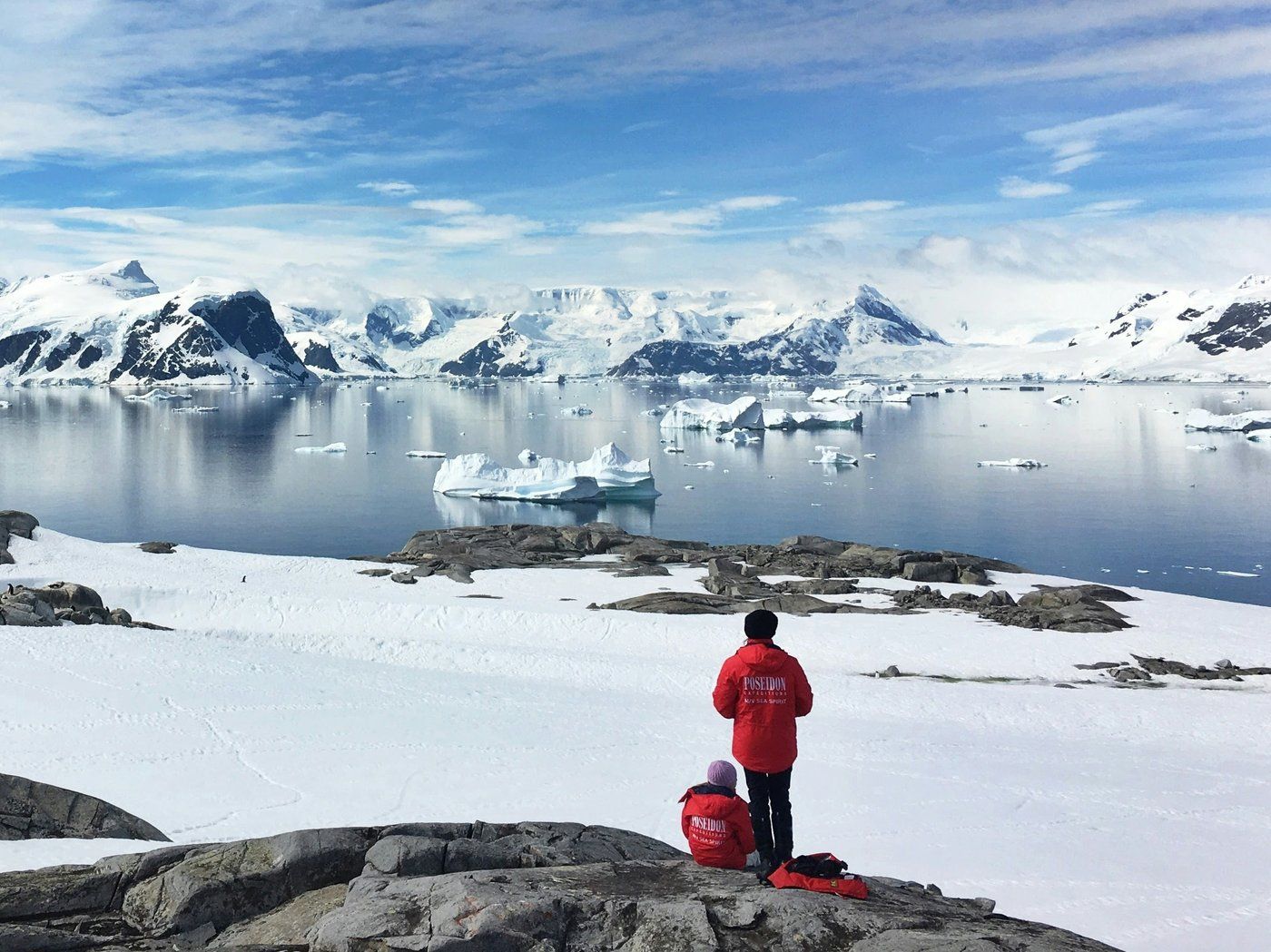
Antarctica remains the only continent untouched by military or mining operations, a status that is increasingly under scrutiny as geopolitical tensions rise. In 2022, international politicians convened in Wellington to discuss the future governance of this pristine region. The summit followed a period marked by heightened global anxiety stemming from Russia’s invasion of Ukraine and China’s ambitions for expansion.
The discussions in Wellington aimed to address concerns over the potential for conflict in Antarctica—often referred to as “the ice”—and the sanctity of existing agreements that protect its unique environment. Some experts caution that fears surrounding the continent’s security may be overstated. For instance, Dr. Maria Thompson, a noted geopolitical analyst, argues that the prevailing narrative of encroachment may not fully reflect the reality on the ground.
“While there are indeed challenges, the idea that Antarctica is on the brink of militarization is exaggerated,” she stated during a recent interview. “Most countries recognize the importance of preserving the continent for scientific research and environmental protection.”
Despite these reassurances, the landscape of international relations is shifting. The United States has signaled a readiness to assert its interests in the region, reflecting a broader strategy to secure access to resources and maintain its influence. This stance has led to concerns among other nations about the implications for the Antarctic Treaty System, which has functioned since 1961 to ensure that the continent is used exclusively for peaceful purposes.
In the wake of the Wellington summit, several key issues emerged, including the need for enhanced cooperation in scientific research and a commitment to environmental preservation. Delegates highlighted the importance of maintaining open channels of communication to prevent misunderstandings that could escalate into conflict.
With the potential for competition over resources growing, countries are increasingly aware that a collaborative approach is vital. “Antarctica should remain a zone of peace and cooperation,” emphasized Dr. David Carter, a representative from Australia, during the summit. “Our collective future depends on our ability to work together for the greater good of humanity.”
As discussions continue, the balance between national interests and global cooperation will be crucial in shaping the future of Antarctica. The coming years will test whether nations can prioritize collective stewardship over individual ambitions in a landscape marked by uncertainty and change.










Combat Ongoing Stress: Regulate Your Nervous System Now

New Zealand Golfer Hillier Triumphs at $2 Million Open

Labour Maintains Lead as National Gains Ground in Poll

Professor Brian Cox Launches ‘Emergence’ World Tour in June

South Africa Triumphs Over Zimbabwe to Face New Zealand in T20 Semis

Hurricanes Aim for Record Crowd Against Western Force in Napier

Speeding Penalties Spark Controversy Over Revenue Collection

Landlords Urge Tenancy Tribunal to Track Unpaid Awards Nationwide

March Unveils Exciting TV Premieres and Returning Favorites

Community Mourns Teens Lost in Mount Maunganui Landslide

Tributes Pour In for Lachlan Rofe, Reality Star, Dead at 47

Private Funeral Held for Dean Field and His Three Children

Funeral Planned for Field Siblings After Tragic House Fire

Netball New Zealand Stands Down Dame Noeline Taurua for Series

Julian Dennison Ties the Knot with Christian Baledrokadroka in New Zealand

New ‘Maverick’ Chaser Joins Beat the Chasers Season Finale

Silver Ferns Legend Laura Langman Criticizes Team’s Attitude

Eli Katoa Rushed to Hospital After Sideline Incident During Match
-
 Top Stories1 month ago
Community Mourns Teens Lost in Mount Maunganui Landslide
-
 Entertainment6 months ago
Tributes Pour In for Lachlan Rofe, Reality Star, Dead at 47
-
 World3 months ago
Private Funeral Held for Dean Field and His Three Children
-
 Top Stories3 months ago
Funeral Planned for Field Siblings After Tragic House Fire
-
 Sports6 months ago
Netball New Zealand Stands Down Dame Noeline Taurua for Series
-
 Entertainment1 month ago
Julian Dennison Ties the Knot with Christian Baledrokadroka in New Zealand
-
 Entertainment5 months ago
New ‘Maverick’ Chaser Joins Beat the Chasers Season Finale
-
 Sports6 months ago
Silver Ferns Legend Laura Langman Criticizes Team’s Attitude
-
 Sports4 months ago
Eli Katoa Rushed to Hospital After Sideline Incident During Match
-

 Sports4 months ago
All Blacks Star Damian McKenzie and Partner Announce Baby News
-

 Sports3 months ago
Nathan Williamson’s Condition Improves Following Race Fall
-

 Politics5 months ago
Netball NZ Calls for Respect Amid Dame Taurua’s Standoff