
Science
Global Leaders Discuss Antarctica’s Future Amid Rising Tensions

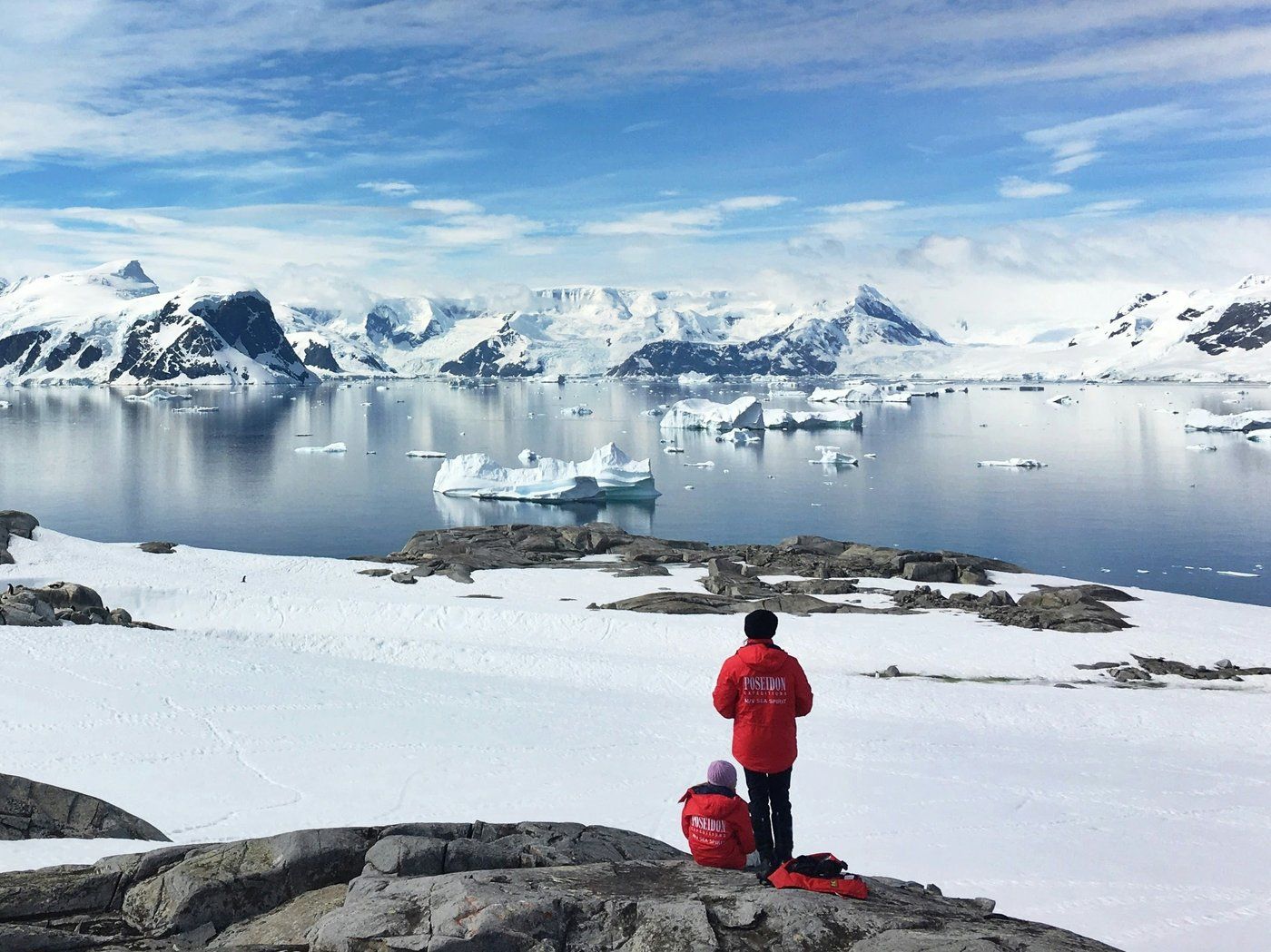
Antarctica continues to stand as the only continent devoid of military or mining activities, a status that has drawn increasing global attention. In Wellington, New Zealand, international politicians convened last year to deliberate on the future of this pristine region. This summit occurred against a backdrop of heightened geopolitical tensions, particularly following Russia’s invasion of Ukraine and China’s growing ambitions in the area. While concerns about the potential for conflict in Antarctica mount, some experts argue that fears regarding the continent’s security are exaggerated.
The ongoing discourse surrounding Antarctica’s governance is crucial, especially as nations eye its vast resources and strategic position. As global warming accelerates, the melting ice caps expose previously inaccessible areas rich in minerals and hydrocarbons. This situation intensifies the urgency for a concerted international approach to uphold the Antarctic Treaty System, which has successfully maintained the continent’s demilitarized status since its inception in 1961.
The implications of these developments extend far beyond environmental considerations. The United States has signaled its readiness to assert its interests in the region, potentially disrupting established treaties. According to experts, this assertiveness could lead to a scramble for resources in Antarctica, echoing historical patterns of territorial expansion seen elsewhere.
Russia and China have both been increasingly active in their Arctic and Antarctic policies, raising alarms among Western nations. Some analysts view this as a precursor to potential confrontations, with the risk of militarization in the region increasing. The discussions in Wellington aimed to address these tensions while reinforcing commitments to existing treaties that prioritize scientific research and environmental preservation.
As the world grapples with these geopolitical shifts, the future of Antarctica remains uncertain. The delicate balance established by the Antarctic Treaty is under pressure, and the potential for conflict grows as nations prioritize national interests. While some argue that collaboration and dialogue can prevail, the realities of global politics indicate a more complex landscape.
Given the stakes, countries must work together to ensure that Antarctica remains a zone of peace and scientific discovery. The challenges posed by climate change and national interests necessitate a renewed commitment to multilateral cooperation. As the international community reflects on the outcomes of the Wellington summit, it becomes increasingly clear that the cost of peace on this continent may be higher than previously anticipated.








New $25 Million Funding Boosts Hospital Capacity Ahead of Winter

Discover Sleep Space’s Affordable Bach Bed Packages Today

Jury Dismissed in Sexual Assault Trial Over Misguided Questions

Wellington’s New Gallery Unveils Community-Driven Art Exhibition

All Whites Face Challenges as Injuries Strike Before World Cup

Heroic Bystander Rescues Swimmers from Dangerous Surf in Napier

Nina Oyama Returns to Crime Comedy in Deadloch Season 2

China Southern Airlines Offers Reliable Journey from Auckland to Vietnam

Nina Oyama Returns to Deadloch for Anticipated Season 2

Community Mourns Teens Lost in Mount Maunganui Landslide

Tributes Pour In for Lachlan Rofe, Reality Star, Dead at 47

Private Funeral Held for Dean Field and His Three Children

Funeral Planned for Field Siblings After Tragic House Fire

Netball New Zealand Stands Down Dame Noeline Taurua for Series

Julian Dennison Ties the Knot with Christian Baledrokadroka in New Zealand

Al Waha Motors Opens Flagship Jetour Showroom in Al Khor

Auckland’s Average Rent Surpasses $700 for Three-Bedroom Homes

New Research Reveals Simple Path to Enhanced Happiness
-
 Top Stories6 months ago
Community Mourns Teens Lost in Mount Maunganui Landslide
-
 Entertainment11 months ago
Tributes Pour In for Lachlan Rofe, Reality Star, Dead at 47
-
 World8 months ago
Private Funeral Held for Dean Field and His Three Children
-
 Top Stories8 months ago
Funeral Planned for Field Siblings After Tragic House Fire
-
 Sports11 months ago
Netball New Zealand Stands Down Dame Noeline Taurua for Series
-
 Entertainment6 months ago
Julian Dennison Ties the Knot with Christian Baledrokadroka in New Zealand
-
 Health6 months ago
Al Waha Motors Opens Flagship Jetour Showroom in Al Khor
-
 Business7 months ago
Auckland’s Average Rent Surpasses $700 for Three-Bedroom Homes
-
 Science9 months ago
New Research Reveals Simple Path to Enhanced Happiness
-

 Entertainment10 months ago
New ‘Maverick’ Chaser Joins Beat the Chasers Season Finale
-

 Lifestyle10 months ago
Maia Wilson Faces Backlash Following Taurua’s Suspension
-

 Sports9 months ago
All Blacks Star Damian McKenzie and Partner Announce Baby News