
Science
Global Leaders Assess Antarctica’s Future Amid Rising Tensions

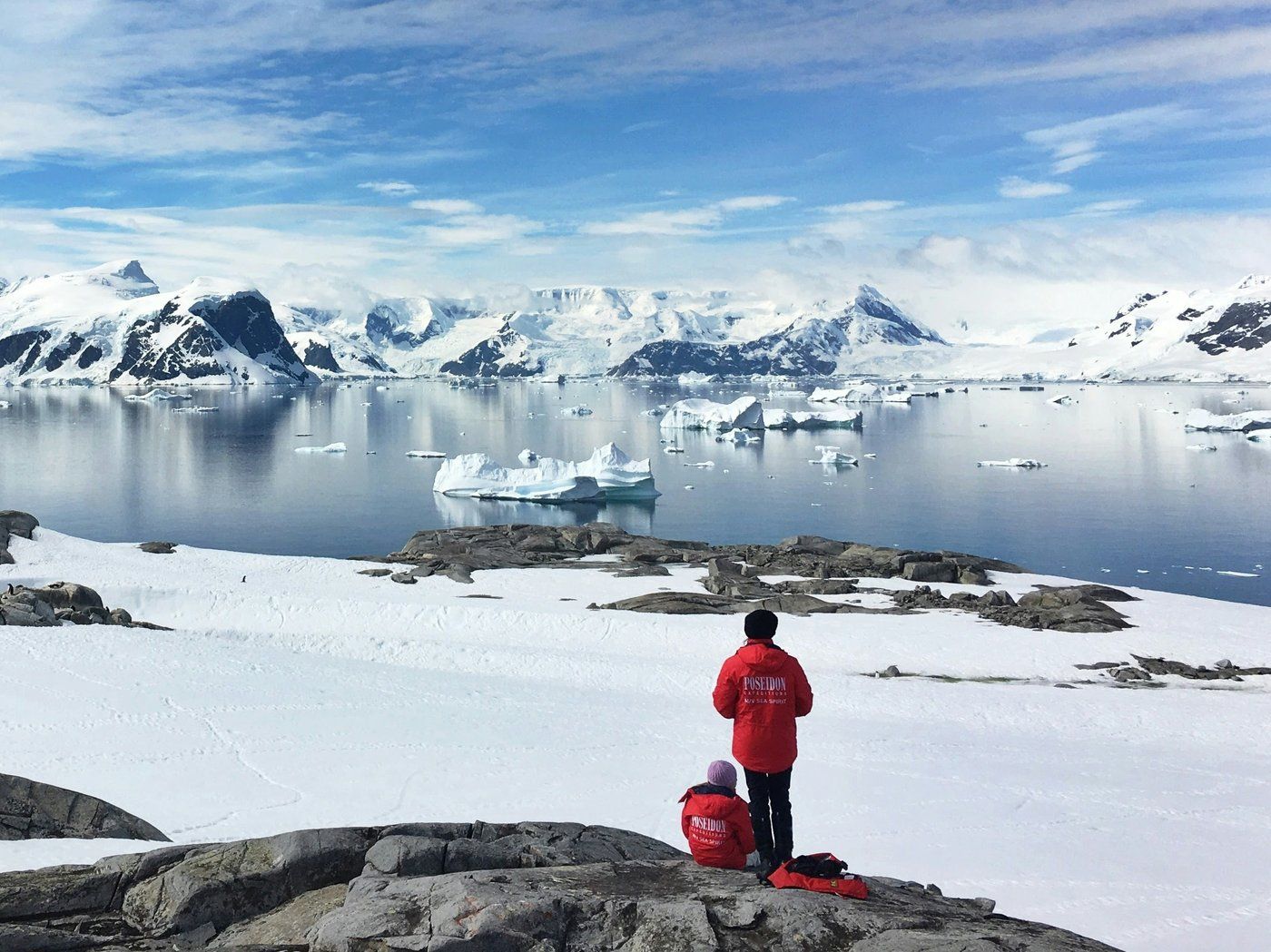
International discussions regarding the future of Antarctica intensified last year during a summit in Wellington. As global tensions rise, particularly following Russia’s invasion of Ukraine and China’s expanding ambitions, concerns about the continent’s preservation have come to the fore. Antarctica remains the only continent without military or mining activities, protected by an international treaty. Yet, skepticism about the durability of this agreement is growing.
Shifting Dynamics in Antarctic Governance
During the summit, representatives from various nations reviewed the Antarctic Treaty, which has governed the region since 1961. This treaty emphasizes the continent’s dedication to scientific research and environmental protection, disallowing any military operations or mineral extraction. However, the geopolitical landscape has shifted dramatically, prompting some experts to question whether these long-standing agreements can withstand emerging pressures.
According to Dr. Emily Johnson, an expert in international relations, claims of imminent peril regarding Antarctica’s status may be exaggerated. “While the situation is complex, the Antarctic Treaty has proven resilient. The likelihood of significant military or mining developments remains low,” she stated. Dr. Johnson’s insights highlight the need for a balanced perspective amidst rising anxieties.
In the wake of the summit, the United States has signaled a readiness to assert its interests in global resource competition. This has raised alarms about potential disruptions to the existing order in the Antarctic region. The involvement of major powers like China, which aims to expand its influence, has further complicated the dynamics.
Environmental Concerns and Scientific Collaboration
As political tensions rise, environmental experts stress the importance of preserving Antarctica’s unique ecosystem. The continent plays a vital role in global climate regulation, and any threats to its integrity could have far-reaching consequences. The scientific community warns that mining or military activities could irreparably damage fragile habitats.
Furthermore, climate change remains a critical challenge facing Antarctica. Rising temperatures and melting ice sheets threaten not only the region but also the world at large. The summit in Wellington underscored the urgency of international collaboration in addressing these pressing environmental issues.
In conclusion, while geopolitical tensions are mounting, the need for a collective approach to safeguarding Antarctica has never been more important. The future of the continent hinges on the commitment of global leaders to uphold the principles of the Antarctic Treaty and prioritize scientific research and environmental protection over territorial ambitions. With ongoing dialogue and cooperation, there remains hope for maintaining Antarctica as a place of peace and scientific discovery.











New $25 Million Funding Boosts Hospital Capacity Ahead of Winter

Discover Sleep Space’s Affordable Bach Bed Packages Today

Jury Dismissed in Sexual Assault Trial Over Misguided Questions

Wellington’s New Gallery Unveils Community-Driven Art Exhibition

All Whites Face Challenges as Injuries Strike Before World Cup

Heroic Bystander Rescues Swimmers from Dangerous Surf in Napier

Nina Oyama Returns to Crime Comedy in Deadloch Season 2

China Southern Airlines Offers Reliable Journey from Auckland to Vietnam

Nina Oyama Returns to Deadloch for Anticipated Season 2

Community Mourns Teens Lost in Mount Maunganui Landslide

Tributes Pour In for Lachlan Rofe, Reality Star, Dead at 47

Private Funeral Held for Dean Field and His Three Children

Funeral Planned for Field Siblings After Tragic House Fire

Netball New Zealand Stands Down Dame Noeline Taurua for Series

Julian Dennison Ties the Knot with Christian Baledrokadroka in New Zealand

New Research Reveals Simple Path to Enhanced Happiness

New ‘Maverick’ Chaser Joins Beat the Chasers Season Finale

All Blacks Star Damian McKenzie and Partner Announce Baby News
-
 Top Stories4 months ago
Community Mourns Teens Lost in Mount Maunganui Landslide
-
 Entertainment9 months ago
Tributes Pour In for Lachlan Rofe, Reality Star, Dead at 47
-
 World6 months ago
Private Funeral Held for Dean Field and His Three Children
-
 Top Stories6 months ago
Funeral Planned for Field Siblings After Tragic House Fire
-
 Sports9 months ago
Netball New Zealand Stands Down Dame Noeline Taurua for Series
-
 Entertainment4 months ago
Julian Dennison Ties the Knot with Christian Baledrokadroka in New Zealand
-
 Science7 months ago
New Research Reveals Simple Path to Enhanced Happiness
-
 Entertainment8 months ago
New ‘Maverick’ Chaser Joins Beat the Chasers Season Finale
-
 Sports7 months ago
All Blacks Star Damian McKenzie and Partner Announce Baby News
-

 Sports9 months ago
Silver Ferns Legend Laura Langman Criticizes Team’s Attitude
-

 Sports7 months ago
Eli Katoa Rushed to Hospital After Sideline Incident During Match
-

 Sports6 months ago
Nathan Williamson’s Condition Improves Following Race Fall