
Science
Revolutionary Cancer Treatment Could Transform Lives by 2027

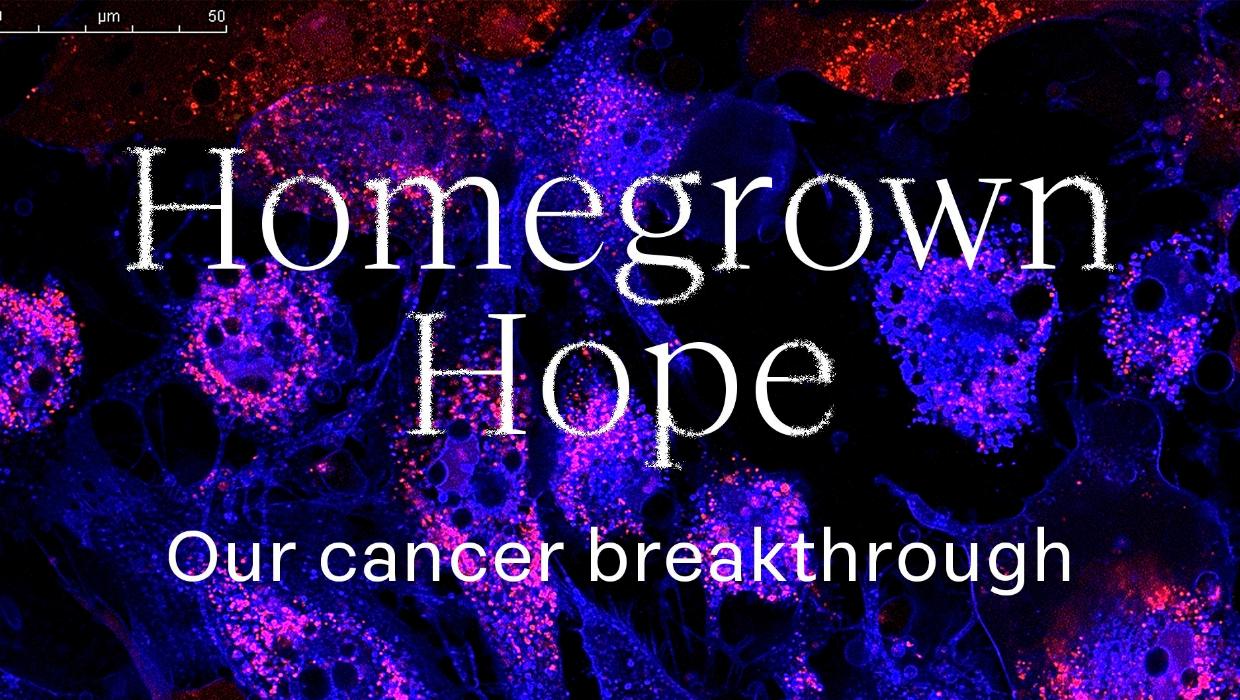
A groundbreaking cancer treatment known as CAR T-cell therapy, developed in Wellington, New Zealand, has shown the potential to provide long-term remission for patients facing terminal diagnoses. According to experts, this innovative therapy could be integrated into the public health system by 2027, contingent on essential approvals from health officials.
BioOra Limited, a biotechnology company partially owned by the Malaghan Institute of Medical Research, is preparing to mass-produce CAR T-cell therapy for both public and private healthcare systems upon the completion of ongoing clinical trials. This treatment option represents a lifeline for many patients who are currently financing their care abroad, particularly in countries like China.
Manufacturing Plans and Challenges Ahead
The company is establishing a sophisticated manufacturing facility in Christchurch, incorporating automated systems designed to produce therapies accurately and with minimal risk of contamination. John Robson, managing director of BioOra, expressed concerns about the pace at which the public system is responding. He emphasized that delays could endanger lives and hinder the company’s progress.
“We’re kind of on this knife edge of, will they go fast enough for us? … Quarter 1 of 2027 is a distinct possibility for public access, but it has to dovetail with a funding stream,” Robson stated. If public access is delayed, BioOra may offer the treatment privately, with discussions underway with interested healthcare providers.
CAR T-cell therapy works by extracting a patient’s immune cells, genetically modifying them to target and destroy cancer cells, and then reinfusing them into the patient’s bloodstream. This treatment has become a standard care option for certain blood cancers in countries like Australia but is not yet available in New Zealand’s public or private sectors.
The Malaghan Institute aims to change this, having developed its own CAR T formulation that has yielded promising results in phase 1 clinical trials. More than half of the lymphoma patients who had exhausted other treatment options experienced remission within months, and the therapy was associated with fewer severe side effects compared to existing commercial alternatives.
Future Prospects and Financial Implications
Phase 2 of the clinical trial is set to enroll its final patient with large B-cell lymphoma by October 2023, with results expected to support Medsafe approval. BioOra is currently producing the CAR T for the trial from its Wellington location but is raising tens of millions of dollars in private investment to construct its new facility in Christchurch.
The company plans to operate under good manufacturing practice (GMP) standards, which are crucial for ensuring the safety and efficacy of pharmaceutical products. Robson indicated that the facility is expected to be certified and operational by the end of 2026, coinciding with the conclusion of the trials. Initially, the facility aims to produce engineered cells for 160 patients in its first year, increasing capacity to over 300 in the second year.
Securing timely public access to this treatment hinges on obtaining special funding from the government, which could facilitate access until a more sustainable funding model is established through Health NZ. While Robson refrained from disclosing the per patient cost, he noted it would be significantly lower than the $1 million charged in markets like Australia and the United States, and comparable to the approximately $200,000 in China.
Robson highlighted the broader economic implications, suggesting that the upfront costs of CAR T-cell therapy could be offset by the long-term savings in healthcare expenses. “If you have a 20 or 30-year-old treated and they effectively go down this curative pathway, then their benefit and input to New Zealand is huge, because they carry on working and being productive,” he explained.
The Malaghan Institute recently launched a fundraising campaign to cover the $17 million cost of the phase 2 trial, which is separate from the funding efforts of BioOra. In the last fundraising round, the company secured $15 million from private investors and is now looking to raise between $30 million and $45 million.
BioOra’s ultimate vision is to establish New Zealand as a leader in immunotherapy, potentially attracting international patients seeking treatment. Robson asserted that producing therapies locally would not only reduce costs but also enhance New Zealand’s capacity to address various diseases over the next decade.
As BioOra navigates regulatory pathways, the company remains focused on leveraging its innovations to improve patient outcomes. The upcoming Medical Products Bill, set to be introduced later this year, aims to facilitate more flexible approval processes for treatments like CAR T-cell therapy, signaling a shift towards more accessible cancer care in New Zealand.










New $25 Million Funding Boosts Hospital Capacity Ahead of Winter

Discover Sleep Space’s Affordable Bach Bed Packages Today

Jury Dismissed in Sexual Assault Trial Over Misguided Questions

Wellington’s New Gallery Unveils Community-Driven Art Exhibition

All Whites Face Challenges as Injuries Strike Before World Cup

Heroic Bystander Rescues Swimmers from Dangerous Surf in Napier

Nina Oyama Returns to Crime Comedy in Deadloch Season 2

China Southern Airlines Offers Reliable Journey from Auckland to Vietnam

Nina Oyama Returns to Deadloch for Anticipated Season 2

Community Mourns Teens Lost in Mount Maunganui Landslide

Tributes Pour In for Lachlan Rofe, Reality Star, Dead at 47

Private Funeral Held for Dean Field and His Three Children

Funeral Planned for Field Siblings After Tragic House Fire

Netball New Zealand Stands Down Dame Noeline Taurua for Series

Julian Dennison Ties the Knot with Christian Baledrokadroka in New Zealand

New Research Reveals Simple Path to Enhanced Happiness

New ‘Maverick’ Chaser Joins Beat the Chasers Season Finale

Silver Ferns Legend Laura Langman Criticizes Team’s Attitude
-
 Top Stories3 months ago
Community Mourns Teens Lost in Mount Maunganui Landslide
-
 Entertainment7 months ago
Tributes Pour In for Lachlan Rofe, Reality Star, Dead at 47
-
 World5 months ago
Private Funeral Held for Dean Field and His Three Children
-
 Top Stories5 months ago
Funeral Planned for Field Siblings After Tragic House Fire
-
 Sports7 months ago
Netball New Zealand Stands Down Dame Noeline Taurua for Series
-
 Entertainment3 months ago
Julian Dennison Ties the Knot with Christian Baledrokadroka in New Zealand
-
 Science6 months ago
New Research Reveals Simple Path to Enhanced Happiness
-
 Entertainment6 months ago
New ‘Maverick’ Chaser Joins Beat the Chasers Season Finale
-
 Sports7 months ago
Silver Ferns Legend Laura Langman Criticizes Team’s Attitude
-

 Sports5 months ago
Eli Katoa Rushed to Hospital After Sideline Incident During Match
-

 Sports6 months ago
All Blacks Star Damian McKenzie and Partner Announce Baby News
-

 Politics6 months ago
Netball NZ Calls for Respect Amid Dame Taurua’s Standoff